Top Landscaping Services in Waterloo, WI, 53594 | Compare & Call


McKay Nursery in Waterloo, WI is a certified organic nursery and garden center with over 125 years of horticultural experience. As the largest and oldest nursery in Wisconsin, they operate on nearly 2...
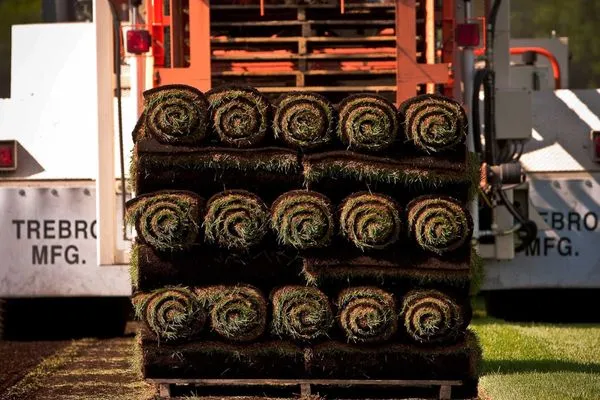
Skalitzky Sod Farms, L.L.C. has been Waterloo's trusted source for premium turf and landscaping supplies since 1998. As a family-owned sod farm, we specialize in high-quality Kentucky Bluegrass sod, a...
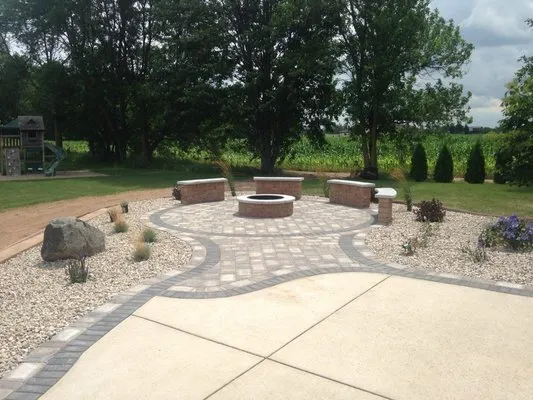
Ruechel Landscape serves Waterloo and the greater Madison area with comprehensive, full-service landscaping solutions. We begin every project with a detailed consultation to understand your vision, wh...
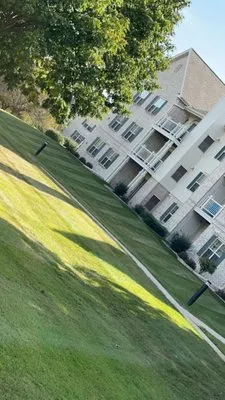
AS Mowing Maintenance and Landscaping is Waterloo, WI's trusted partner for comprehensive outdoor care. We specialize in irrigation design and construction, landscape installation, greenscape construc...

Sure Shot Custom Greens is a Waterloo-based landscaping company dedicated to solving common local lawn and garden challenges. We specialize in revitalizing tired lawns, tackling persistent weed proble...
Anet Novak Design is a Waterloo-based landscaping company founded in 2001 by Anet Novak, who holds a degree in Landscape Architecture and brings an artistic background to every project. Specializing i...
Q&A
I want to regrade my yard to fix drainage. What permits and contractor qualifications are required for a 0.22-acre lot in Waterloo?
Regrading that alters water flow or involves significant cut/fill requires a permit from the Waterloo City Clerk's Office/Zoning Department. For a 0.22-acre lot, this work must be performed by a contractor holding appropriate licensing through the Wisconsin Department of Safety and Professional Services, typically a Dwelling Contractor Qualifier or Home Improvement registration. This ensures compliance with erosion control ordinances and protects you from liability. Unlicensed grading can lead to fines and void insurance coverage for downstream water damage.
I've spotted creeping Charlie and garlic mustard taking over my garden beds. How do I treat them without harming my lawn or breaking local fertilizer rules?
For invasive broadleaves like creeping Charlie, a targeted post-emergent herbicide applied in early fall is most effective when the plant is translocating nutrients. Manual removal of garlic mustard before seed set is critical. These methods avoid the Wisconsin Phosphorus Fertilizer Law restrictions, which prohibit phosphorus application on established turf. Always maintain a healthy, dense lawn through proper mowing height and organic amendments to outcompete weeds, as soil health is the primary defense.
My lawn in Downtown Waterloo has heavy, slow-draining soil that stays wet for days. What's the underlying cause in a neighborhood of 1960s-era homes?
The soil maturity on a typical 1964-built lot is 62 years, meaning the original topsoil was often stripped and compacted during construction. Downtown Waterloo's Mollisols, a silt loam, naturally have good structure but decades of foot traffic and conventional mowing have degraded permeability. This compaction creates a dense layer that impedes percolation, explaining the seasonal high water table. Core aeration and incorporating compost are necessary to rebuild soil porosity and organic matter above 5%.
My yard has persistent soggy areas after rain. What's a permanent solution that also handles runoff properly?
Silty Mollisols in Waterloo have poor infiltration, leading to surface saturation. The solution is a two-tiered approach: first, install a French drain or dry well system to intercept the seasonal high water table. Second, replace impervious surfaces with permeable pavers set on a crushed limestone base. This combination increases groundwater recharge and can be engineered to meet the City Clerk's Office/Zoning Department standards for stormwater runoff, effectively managing water on-site.
I'm tired of weekly mowing and gas equipment noise. What's a lower-maintenance, ecologically sound alternative to my traditional lawn?
Transitioning sections of turf to a native prairie planting of Little Bluestem, Butterfly Milkweed, and Purple Coneflower eliminates weekly mowing and reduces water demand by over 80%. These deep-rooted perennials build soil carbon and require no chemical inputs. This shift preempts tightening noise ordinances on gas blowers and mowers. A designed matrix of natives and grasses provides year-round visual interest and critical habitat, exceeding 2026 biodiversity benchmarks for urban lots.
A storm blew down branches and debris. What's the fastest way to get an emergency cleanup crew to my property for HOA compliance?
For an emergency cleanup, our standard dispatch routes from our staging area at Fireman's Park directly onto WI-89, providing reliable access to Downtown Waterloo. This corridor allows for a 20-30 minute peak response time. Crews arrive with electric-powered chippers and sweepers that comply with daytime noise ordinances, enabling immediate debris processing and site restoration to meet typical 48-hour HOA compliance windows.
Is crushed limestone or concrete a better choice for a new patio and walkway, considering durability and safety?
Concrete pavers offer superior longevity and load-bearing capacity for patios, while permeable crushed limestone is ideal for pathways and drainage zones. Both materials are non-combustible, contributing to a Firewise defensible space—a relevant consideration even in Waterloo's low-risk urban interface. Unlike wood, they do not rot or require chemical treatments. The choice depends on function: pavers for structured gathering spaces, limestone for permeable, naturalistic circulation that complements native plantings.
How can I maintain a healthy Kentucky Bluegrass lawn in Waterloo without wasting water or violating conservation guidelines?
Soil moisture sensor-based smart controllers are the definitive solution for Zone 5b. These systems use evapotranspiration (ET) data and in-ground probes to irrigate only when the root zone moisture drops below a set threshold, eliminating guesswork and runoff. This technology can reduce potable water use for turf by 30-40% while preserving the cool-season grass blend. It aligns with municipal conservation practices by applying water only during optimal pre-dawn hours to minimize loss.
