Top Landscaping Services in Twin Lakes, WI, 53101 | Compare & Call
There are 90 landscaping companies server in Twin Lakes WI
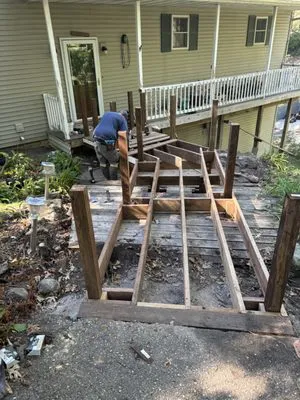
Old Crow Construction is your East Troy neighbor for building and improving the spaces where you live. We specialize in creating durable, functional, and beautiful solutions for your home and property...
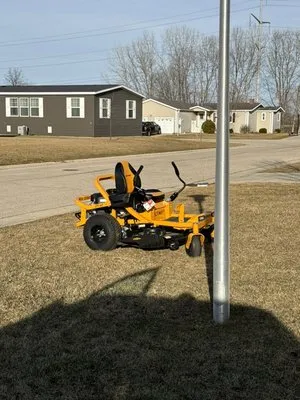
Elite Care is a locally-owned and operated lawn service company dedicated to keeping Pleasant Prairie lawns healthy and beautiful. We understand that local homeowners frequently face challenges like s...

Bienemann's Quality Tree Service LLC has been a trusted, family-operated provider for Burlington, WI, and the greater Racine, Kenosha, and Milwaukee areas since 2005. Founded on a commitment to qualit...
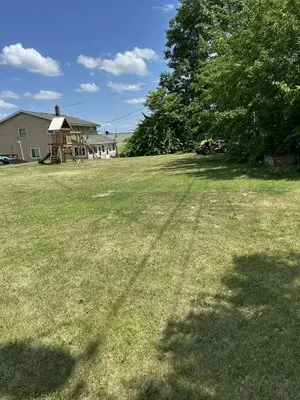
Mondragon's Landscaping Service is a trusted local provider in Burlington, WI, specializing in comprehensive outdoor solutions to keep your property looking its best year-round. We offer landscape con...
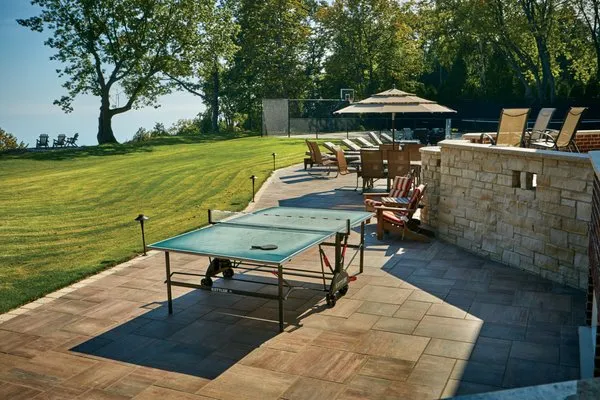
The Reesman Company
Since 1947, The Reesman Company has been a trusted name in Burlington and the surrounding areas for comprehensive landscape and excavation services. Rooted in over five decades of local experience, we...
BLVD Landscape is a trusted Salem landscaping company dedicated to solving the specific lawn and yard challenges local homeowners face. We specialize in addressing common issues like tree root lawn da...
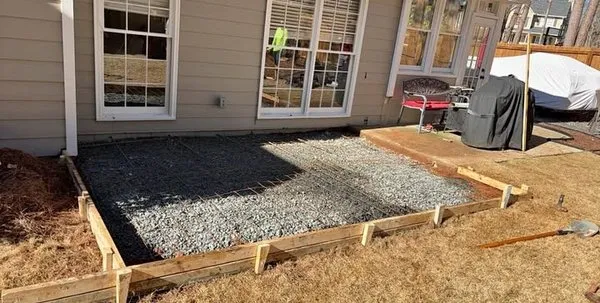
BullyMade Contracting is a Racine-based masonry, concrete, landscaping, and general contracting company serving homeowners throughout southeastern Wisconsin. With expertise spanning from balcony addit...
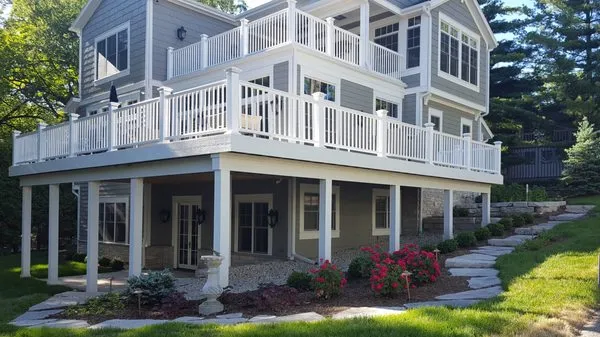
B&J Tree & Landscape Service
B&J Tree & Landscape Service is a Lake Geneva, Wisconsin institution. Founded as B&J Tree Service in 1959 by Dale Castleman's father, the family-operated business has grown under Dale's leadership sin...
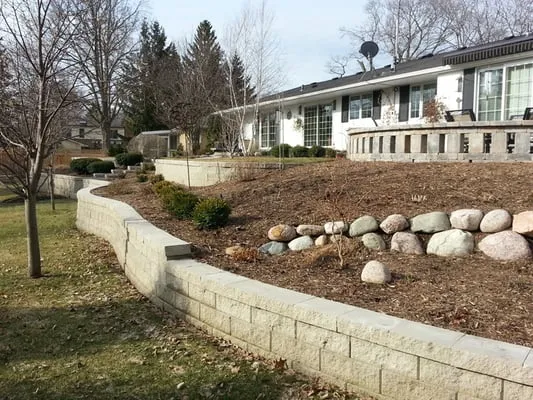
Burdick Lawn & Landscaping, L.L.C. has been the trusted local choice for landscaping and snow removal in Elkhorn and throughout Walworth County since 2005. As a fully insured provider, we bring over t...
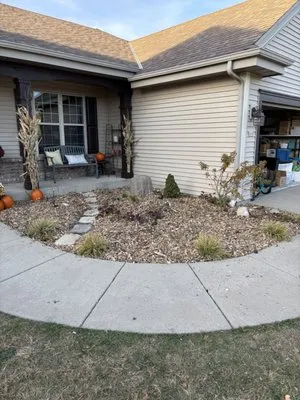
Donley Seasonal Maintenance is a dedicated lawn and landscape business serving homeowners throughout Walworth County from our base in Elkhorn, WI. We believe quality work comes from taking the time to...
Estimated Landscaping Service Costs in Twin Lakes, WI
Common Questions
What are the biggest weed threats here, and how do I treat them safely?
Invasive species like creeping bellflower and garlic mustard are prevalent in Southeastern Wisconsin. Control requires a targeted, seasonally-timed approach. Manual removal is effective for small infestations. For broader issues, selective herbicide applications must be carefully planned outside of the Wisconsin Phosphorus Fertilizer Law's blackout periods and should avoid any product containing phosphorus. Always prioritize methods that preserve soil mycorrhizae and prevent chemical runoff into the local watershed.
Are concrete pavers a better choice than wood for a new patio?
For durability and low maintenance in Twin Lakes, concrete pavers are superior. Unlike wood, they do not rot, warp, or require annual sealing. Their modular design allows for excellent permeability when installed with proper base materials, aiding in site drainage. For properties adjacent to natural areas, the non-combustible nature of pavers contributes to a defensible space, which is a consideration even in this area's current Low Fire Wise rating urban/suburban interface.
Why does my soil seem so compacted and tired compared to new construction?
Properties in Powers Lake Estates, built around 1975, have soils that are approximately 50 years old. Over decades, the native Mollisols/silt loam has been repeatedly compacted by foot traffic, maintenance equipment, and routine mowing, reducing its permeability and organic matter content. This aging process leads to poor infiltration and a dense root zone that struggles to support healthy turf. Annual core aeration and the incorporation of compost are essential to rebuild soil structure, improve water percolation, and reintroduce beneficial microbial life.
My yard turns into a pond every spring. What's the best long-term fix?
Seasonal high water tables and poor infiltration are common in Twin Lakes due to the underlying silt loam soil. The solution involves improving subsurface drainage and redirecting surface runoff. Installing French drains or dry wells can manage groundwater, while replacing impervious surfaces with permeable concrete pavers or crushed limestone for paths and patios reduces direct runoff. Any significant grading or drainage work must be reviewed by the Village of Twin Lakes Building & Zoning Department to ensure it meets current stormwater management standards.
How quickly can you respond for an emergency tree cleanup or urgent HOA compliance issue?
For time-sensitive situations like storm damage or violation notices, our dispatch prioritizes routes from our staging area near Lance Park. Taking WI-50 allows for efficient access to Powers Lake Estates. During peak traffic hours, our estimated arrival is within the 20-30 minute window. Our fleet includes electric-capable equipment that complies with the local 8 AM to 8 PM noise ordinance, enabling immediate work upon arrival without disturbance violations.
What permits and credentials should I verify before hiring for major landscaping work?
For projects involving significant grading, drainage alteration, or retaining walls over two feet on a 0.35-acre lot, verify the contractor holds the proper licensing from the Wisconsin Department of Safety and Professional Services. The Village of Twin Lakes Building & Zoning Department requires permits for such work to ensure it complies with zoning and erosion control ordinances. Always request proof of both state licensing and local project permits before any contract begins, as this protects you from liability and substandard work.
Should I worry about watering my Kentucky Bluegrass lawn if water restrictions get tighter?
Twin Lakes is currently under Stage 0 restrictions, but proactive management is key. Wi-Fi ET-based irrigation controllers adjust watering schedules daily based on real-time evapotranspiration data from local weather stations. This technology applies only the precise amount of water needed to maintain your turf blend, often reducing usage by 20-40% versus traditional timers. This approach preserves lawn health while ensuring compliance with potential future municipal water limits, making it a sustainable long-term investment.
Is there a lower-maintenance, quieter alternative to my traditional lawn?
Transitioning high-input turf areas to a native plant landscape is a forward-thinking solution. Species like Purple Coneflower, Butterfly Milkweed, Little Bluestem, and Wild Bergamot are adapted to Zone 5b conditions, requiring no fertilizer, minimal watering once established, and infrequent cutting. This shift significantly reduces the need for gas-powered mowers and blowers, aligning with evolving noise ordinances and supporting local biodiversity. The deep root systems of these natives also excel at managing the site's drainage challenges.
