Top Landscaping Services in Turtle, WI, 53511 | Compare & Call
There are 129 landscaping companies server in Turtle WI
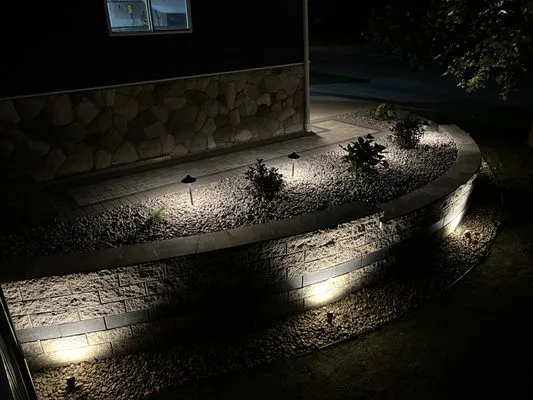
Nacho Landscaping/Hardscaping & Lawn Care
Nacho Landscaping/Hardscaping & Lawn Care is a Janesville-based outdoor service provider specializing in transforming local properties. We approach each project with a focus on practical design and du...
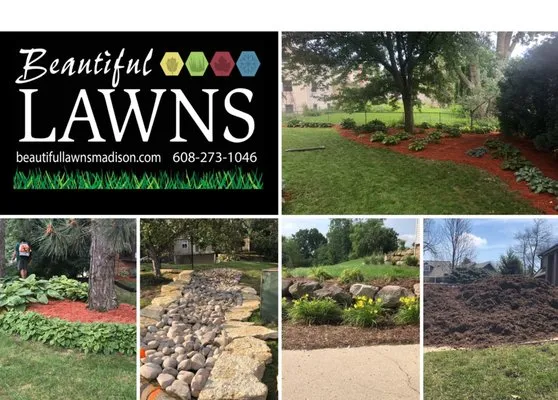
Beautiful Lawns Lawn Care is a locally owned and operated business serving Fitchburg and the greater Madison area with reliable lawn care and snow removal services. We specialize in both residential a...
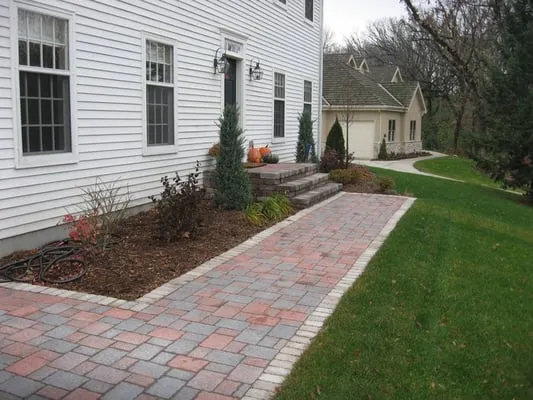
Blue River Landscapes, LLC is a trusted landscaping company serving Edgerton, WI, and the surrounding communities. We specialize in comprehensive design and building services, including irrigation, la...
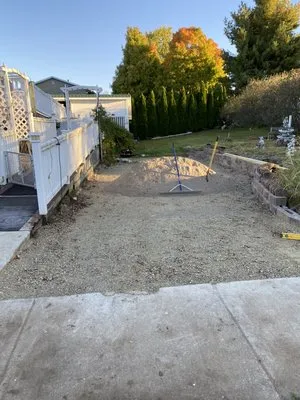
YellowStone Landscapes in Milton, WI, is a locally owned and operated landscaping company founded in 2015 by Nick, who brings years of hands-on experience transforming properties across the region. Fr...
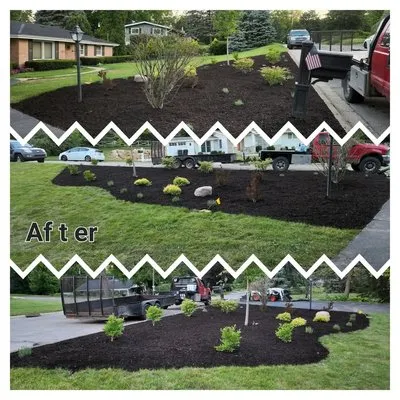
Myers Maintenance & Repairs is a family-owned, full-service company serving Genoa City, WI, and surrounding areas. We specialize in three core areas: handyman services, landscaping, and auto repair, m...

Javi's Landscaping is a trusted, locally-owned business serving Watertown, WI, with comprehensive outdoor services including landscaping, lawn care, snow removal, and masonry. We understand the unique...
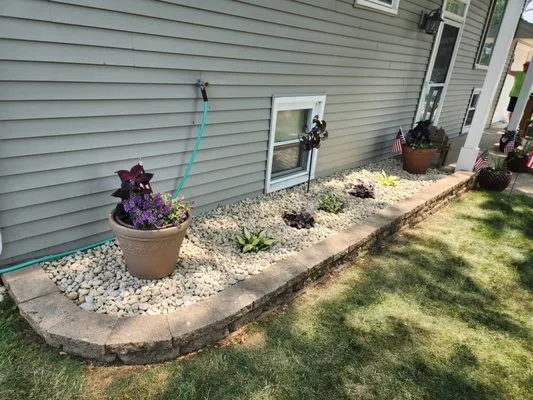
Bello Property Services is a Janesville-based contractor specializing in comprehensive landscaping, masonry, and fencing solutions. We help homeowners build and maintain durable, beautiful outdoor spa...
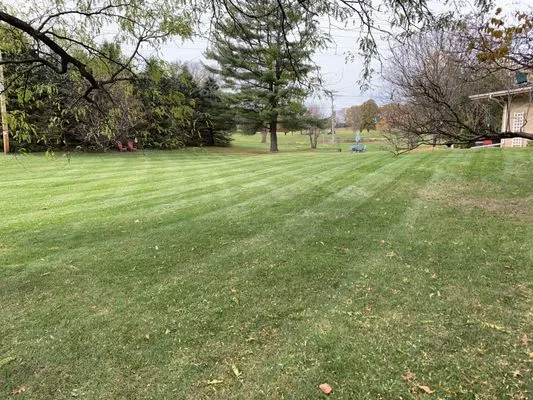
Janesville Lawn Service is a dedicated local landscaping company serving Janesville, WI, and the surrounding Rock County area. We specialize in comprehensive landscape solutions, from foundational ear...
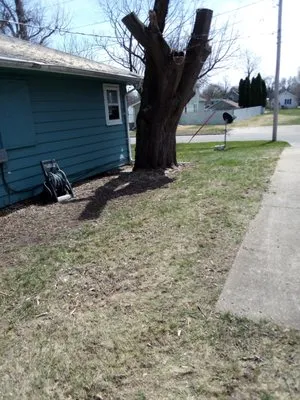
All Outdoor Services is a full-service landscaping and tree care company dedicated to enhancing the beauty and health of Beloit properties. We understand the unique challenges local homeowners face, f...
Maya-Bruns Landscaping
Maya-Bruns Landscaping is a family-owned business serving Beloit, WI, and surrounding areas since 2008. With over 12 years of experience, we provide comprehensive landscaping solutions for both reside...
Estimated Landscaping Service Costs in Turtle, WI
FAQs
Why does my Turtle Township soil seem compacted and nutrient-poor compared to newer developments?
Turtle Township lots average 52 years of development since 1974, creating mature but compacted silt loam soil. Decades of foot traffic and equipment use have reduced pore space, lowering permeability to 0.5-1.5 inches per hour. Core aeration every 2-3 years addresses this by creating channels for oxygen and water movement. Adding 0.25 inches of compost annually builds organic matter above the 2% baseline, improving cation exchange capacity for better nutrient retention in the pH 6.5-7.2 range.
Can smart irrigation maintain Kentucky Bluegrass during dry spells without violating water restrictions?
Smart Wi-Fi soil-moisture sensors prevent overwatering by tracking real-time evapotranspiration rates. These systems maintain Kentucky Bluegrass and Fine Fescue with 30% less water than traditional timers by irrigating only when soil moisture drops below 50% field capacity. During voluntary conservation periods, programming adjusts to deliver 0.75 inches weekly in 3 cycles, matching municipal guidelines. This preserves turf health while reducing annual water use by 8,000-12,000 gallons on typical 0.5-acre lots.
How can I reduce maintenance while preparing for potential gas equipment restrictions?
Replacing 30-50% of turf with Purple Coneflower, Little Bluestem, Butterfly Milkweed, and Wild Bergamot creates low-input zones requiring only annual cutting. These natives survive on natural rainfall in Zone 5a, eliminating weekly mowing and reducing leaf-blowing needs by 60%. Electric string trimmers and mulching mowers operate below 75 decibels, staying ahead of potential gas-blower bans. The transition supports 2026 biodiversity standards while cutting annual maintenance hours from 40 to 15 per 1,000 square feet of converted area.
What solutions address seasonal flooding in Turtle's silt loam soils?
Seasonal high water tables in silt loam require French drains with clean stone aggregate to improve infiltration rates from 0.1 to 2.0 inches per hour. Permeable crushed limestone pathways and concrete paver systems with 0.25-inch joints meet Rock County Planning runoff standards by allowing 95% of rainfall to percolate. Grading should create 2% slopes away from foundations, directing water to rain gardens planted with moisture-tolerant natives. These systems reduce standing water duration from 48+ hours to under 6 hours after 1-inch rainfall events.
Are crushed limestone and concrete pavers better than wood for long-term durability?
Crushed limestone compacted to 95% Proctor density lasts 15-20 years versus wood's 5-7 year lifespan in Wisconsin's freeze-thaw cycles. Concrete pavers with polymeric sand joints maintain stability through 30+ freeze events annually. Both materials support Low Fire Wise Rating compliance by creating defensible space without combustible organic matter. Their 40-50% albedo reflects summer heat, reducing urban heat island effect compared to asphalt. Properly installed systems require only annual sweeping and occasional joint sand replenishment.
What permits and licenses are needed for grading my half-acre Turtle property?
Grading projects moving over 50 cubic yards of soil require Rock County Planning erosion control permits, with inspections at 30% and 90% completion. Contractors must hold Wisconsin Department of Safety and Professional Services Dwelling Contractor Qualifier licenses for earthwork exceeding $1,000 in value. On 0.5-acre lots, this typically involves certified professionals for slopes over 3:1 ratios. Proper documentation includes soil compaction reports and stormwater management plans filed 14 days before work begins to avoid stop-work orders.
How quickly can you respond to storm damage for HOA compliance in Turtle?
Emergency cleanup crews dispatch from Turtle Creek Parkway within 30 minutes of notification. The route follows I-43 northbound with peak storm response times of 45-60 minutes accounting for debris clearance. Electric maintenance fleets operate within standard decibel limits, avoiding noise ordinance violations during early morning deployments. Crews prioritize safety zones first, then address visible street-facing damage to maintain neighborhood aesthetics within 24 hours of severe weather events.
What invasive species threaten Turtle landscapes, and how do I treat them safely?
Garlic mustard and creeping Charlie spread rapidly in silt loam, outcompeting natives for nitrogen and water. Manual removal before seed set in May prevents phosphorus runoff violations. For established invasions, spot-treat with glyphosate during active growth phases, avoiding the April-September phosphorus prohibition window. Always apply mycorrhizae inoculants after treatment to rebuild soil biology. Monitor for Japanese beetles in July, using pheromone traps placed 30 feet from desirable plants to prevent collateral damage.
