Top Landscaping Services in Sun Prairie, WI, 53590 | Compare & Call
There are 206 landscaping companies server in Sun Prairie WI
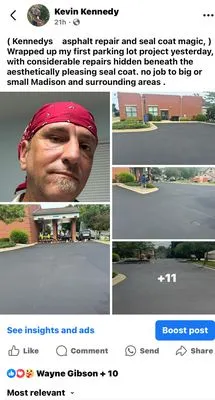
Kennedy Custom Services in Middleton brings over 27 years of finishing expertise to your home. Owner Chris Kennedy started with professional spray painting, mastering the art of perfection on side job...
Since 1965, Hellenbrand Landscaping has been a trusted, family-owned name in Sun Prairie, WI, helping residents and businesses bring their outdoor visions to life. We specialize in comprehensive lands...
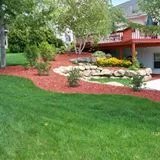
Serving Sun Prairie and surrounding areas for over a decade, M & M Landscaping LLC is a trusted, fully insured provider for all your property care needs. We offer comprehensive services from routine l...

Jackson's Yard Care has been a trusted name in Sun Prairie and Dane County since 2009. Founded by Action Jackson and his family, the business was inspired by a simple mission: to help neighbors who ar...
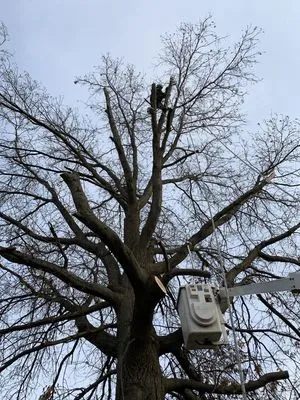
Beaver Bros Tree and Landscaping
Beaver Bros Tree and Landscaping brings over 20 years of professional experience to Sun Prairie, combining smart planning with dedicated hard work to deliver high-caliber results. Safety is our top pr...
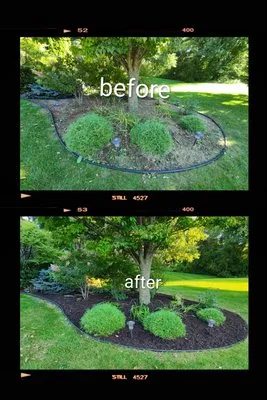
Team Martinez Lawn Care
Team Martinez Lawn Care is a Sun Prairie, WI-based company dedicated to solving the common landscaping challenges local homeowners face, such as dead lawn areas and lawn drought stress. We provide com...
AYA Lawn Care & Snow Removal is a Sun Prairie-based, family-owned business dedicated to protecting and enhancing your property year-round. We understand the local challenges homeowners face, from land...
Ehler's Landscape Construction is a trusted, local landscaping company serving Sun Prairie, Wisconsin. We specialize in comprehensive shrub care and landscape maintenance, offering everything from pla...

Dks Lawn And Snow is a Sun Prairie-based lawn care and snow removal service founded by someone who grew up on a family farm, learning the trade from childhood. Starting with property maintenance along...
Tim Andrews Horticulturist
Tim Andrews Horticulturist is a licensed, full-service landscape and tree care provider rooted in Mazomanie, Wisconsin. We approach every project, from tree pruning to landscape construction, with the...
Estimated Landscaping Service Costs in Sun Prairie, WI
Frequently Asked Questions
We're adding a patio. Are concrete pavers a better long-term choice than wood?
Concrete pavers offer superior longevity in our climate, with minimal upkeep compared to wood's rotting and warping. They also provide non-combustible defensible space, which is a consideration even in Sun Prairie's low Firewise rating urban setting. For pathways, crushed limestone is a permeable, cost-effective option that blends well with prairie-style plantings and manages minor runoff.
A major storm just blew through. How quickly can a crew arrive for emergency tree debris cleanup?
For urgent HOA compliance or safety issues, our dispatch prioritizes Downtown Sun Prairie. A crew would route from our central yard near Angell Park, take US-151, and typically arrive within the 20-30 minute window for peak storm response. This accounts for traffic and securing the necessary electric equipment, which operates quietly within the local noise ordinance hours of 7:00 AM to 9:00 PM.
What permits or licenses are needed for regrading our yard?
Any significant grading or earthmoving on a 0.22-acre lot likely requires a permit from the Sun Prairie Planning & Development Department to ensure proper drainage and compliance with codes. The work must be performed by or under the supervision of a licensed professional, as mandated by the Wisconsin Department of Safety and Professional Services. This ensures the work adheres to standards protecting your property and adjacent lots.
Our lawn seems thin and compacted. Could our house's age be a factor?
Properties built around 1997, common in Downtown Sun Prairie, are now approaching 30 years of soil maturity. The original builder-grade topsoil has often degraded, and the underlying Mollisols/silt loam becomes severely compacted over decades. This reduces permeability and oxygen for roots. Core aeration every other fall, combined with top-dressing compost, is critical to rebuild soil structure and mitigate the high clay content that leads to seasonal ponding.
Is there a lower-maintenance alternative to our high-input turf grass?
Replacing turf areas with a native plant palette is a forward-looking strategy. Species like Purple Coneflower, Little Bluestem, and Prairie Dropseed are adapted to Zone 5b, require no fertilization, and need minimal watering once established. This shift reduces mowing frequency and aligns with the trend toward electric maintenance fleets, staying ahead of potential future gas-blower restrictions under the noise ordinance.
How do we keep our Kentucky Bluegrass lawn green without wasting water?
Smart, Wi-Fi ET-based irrigation is the standard for water conservation here. The system uses local weather data to apply only the water lost to evapotranspiration, preventing overwatering. While Sun Prairie has no active restrictions, this technology is essential for maintaining turf health within responsible municipal limits. It automatically adjusts for rainfall, reducing runoff on our silt loam soils and promoting deeper root growth.
We get a soggy patch in the same spot every spring. What's the solution?
Seasonal ponding is a direct result of the high clay content in our local Mollisols, which slows percolation. A French drain or dry creek bed can redirect surface water. For paved areas, using permeable concrete pavers or crushed limestone allows infiltration, meeting Sun Prairie Planning & Development Department's stormwater runoff standards. Improving soil permeability with organic matter is also a long-term fix.
What are the biggest weed threats here, and how do we deal with them safely?
Invasive species like creeping Charlie and garlic mustard are prevalent alerts. Treatment requires proper timing—often in fall for perennials—and using phosphorus-free herbicides as mandated by state law. For organic control, manual removal and maintaining dense, healthy turf or native plantings are most effective. Always avoid applications before forecasted rain to prevent runoff into waterways.
