Top Landscaping Services in Stratford, WI, 54484 | Compare & Call

There are 32 landscaping companies server in Stratford WI
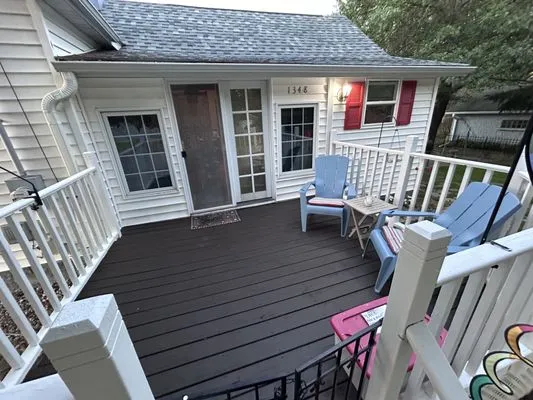
Ranger Subcontracting is your trusted local contractor in Antigo, WI, specializing in comprehensive carpentry, painting, and landscaping services. From interior drywall repairs and painting to buildin...
Carl's Landscape Service
Carl's Landscape Service has been the trusted name for complete landscape solutions in Central Wisconsin since 1975. As the region's first full-service landscape company, we specialize in comprehensiv...
Cruz’s Landscaping And Excavating
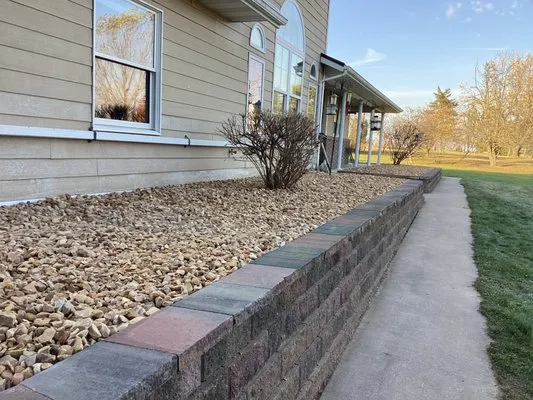
Cruz’s Landscaping And Excavating is a family-owned and operated business founded by three brothers in Abbotsford. With a combined 30 years of experience gained working for various employers in the ar...
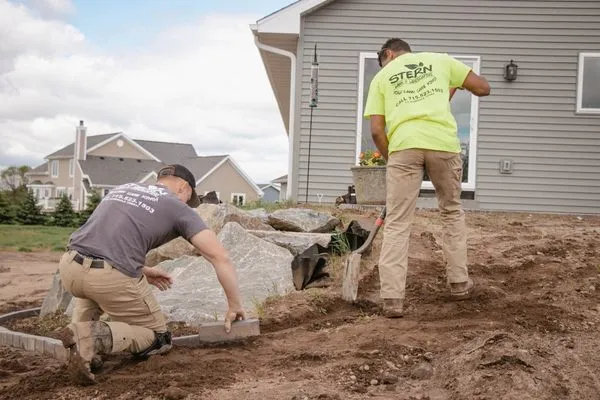
Stern Lawn N' Landscaping is a Wausau-based contractor specializing in comprehensive landscaping and masonry solutions for Central Wisconsin homes. We understand that local property owners often face ...
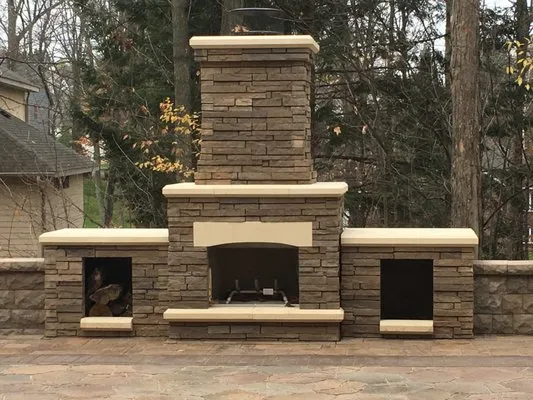
Landscape Solutions by Susan Murphy Jones
Susan Murphy Jones of Landscape Solutions brings over 25 years of expertise to Wausau, blending her formal training in art history and interior design with landscape architecture. An award-winning des...
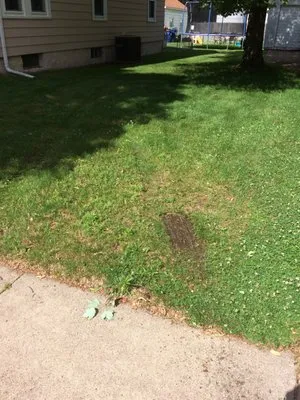
R & R Landscaping
R & R Landscaping has been a trusted provider of tree services and landscaping in Mosinee, Wisconsin, for over 30 years. As a full-service company, we specialize in landscape design, maintenance, tree...
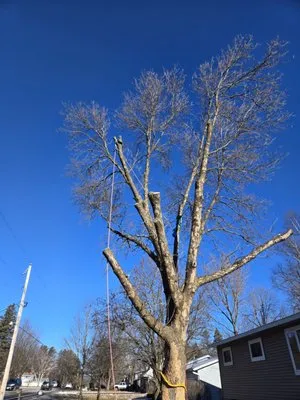
Albright Enterprises
Albright Enterprises is a fully insured, local landscaping service provider based in Rib Mountain, serving the greater Wausau, Wisconsin area. We offer a comprehensive range of outdoor solutions tailo...
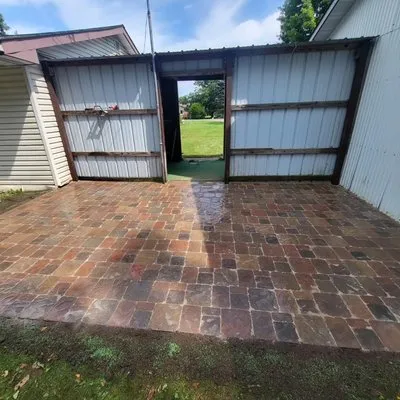
Jorge's Lawn Care in Colby, WI, is a family-owned landscaping construction company founded in 2019 by a father and son team dedicated to delivering quality work and excellent customer service. Special...
A Cut Above Yard Services
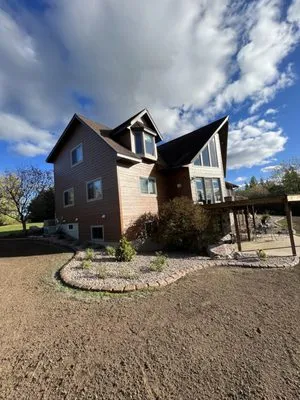
A Cut Above Yard Services is a trusted local provider in Merrill, WI, specializing in comprehensive outdoor solutions including lawn care, snow removal, and tree services. Many Merrill homeowners face...
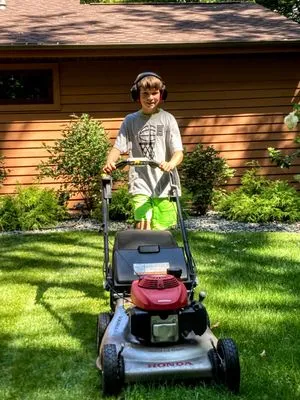
Silas, the owner of Sunrise Lawn Care in Mosinee, started this business from his passion for working outdoors and helping neighbors achieve clean, well-maintained lawns. What began as a small neighbor...
Estimated Landscaping Service Costs in Stratford, WI
Frequently Asked Questions
How do I keep my Kentucky Bluegrass lawn green without wasting water?
Despite no formal water restrictions, Stratford's conservation standards require efficient practice. Smart Wi-Fi soil moisture sensors are the key technology. They measure actual soil water content and trigger irrigation only when needed, based on evapotranspiration (ET) rates. This prevents overwatering the fine fescue mixes common here, which prefer drier conditions, and keeps the system within municipal water use expectations.
How fast can you respond to an emergency like a storm-damaged tree blocking a driveway?
For an emergency cleanup or HOA compliance issue in Downtown Stratford, our standard dispatch targets a 20-30 minute arrival. Our routing from the Marathon County Library - Stratford Branch uses State Highway 97 for efficient access. We maintain an electric-powered fleet for quiet operation, complying with standard noise control hours, to allow for early or late response when necessary.
What should I do about invasive weeds like creeping Charlie without harming my lawn?
First, correctly identify the threat; common invasive alerts here include garlic mustard and buckthorn. Manual removal is effective for small infestations. For persistent broadleaf weeds like creeping Charlie in turf, targeted post-emergent herbicide applications in fall are most effective. Timing is critical to avoid the Wisconsin Phosphorus Fertilizer Law blackout dates and to ensure the product is not applied to newly seeded areas.
Are permeable pavers a better choice than wood for a new patio?
For longevity and low maintenance in Zone 4b, permeable concrete pavers or crushed granite outperform wood. They resist frost heave, do not rot, and require no sealing or staining. Their permeability manages runoff, a key drainage concern. While Stratford has a low fire-wise rating, using non-combustible hardscape materials like these contributes to defensible space principles, an asset for any residential property.
Why does my lawn seem compacted and thin compared to newer subdivisions?
Stratford homes built around the neighborhood's 1981 average have soils with 45 years of development. The loam and silt loam, while initially fertile, has experienced decades of foot traffic and equipment compaction without consistent organic amendment. This reduces soil percolation and root penetration. Core aeration and top-dressing with compost are critical to rebuild soil structure and microbial activity for healthier turf.
Do I need a permit to regrade my backyard, and who is qualified to do the work?
Regrading that alters water flow or involves significant soil movement typically requires a permit from the Village of Stratford Building Inspection Department. On a 0.25-acre lot, improper grading can negatively affect neighboring properties. The work must be performed by or under the supervision of a professional licensed by the Wisconsin Department of Safety and Professional Services, ensuring it meets engineering and erosion control standards.
My yard stays soggy long after rain. What's the solution?
Seasonal saturation is common in Stratford due to the high water table and dense silt loam soils. Surface grading alone is insufficient. A subsurface solution, like a French drain tied to a dry well or daylight outlet, is often required. Using permeable concrete pavers or crushed granite for patios and walkways increases infiltration, helping projects meet the Village of Stratford Building Inspection Department's stormwater runoff standards.
Is there a lower-maintenance, eco-friendly alternative to my traditional lawn?
Yes. Transitioning areas to a native plant community using species like Little Bluestem, Purple Coneflower, and Wild Bergamot significantly reduces water, mowing, and chemical inputs. These deep-rooted perennials build soil health and support 2026 biodiversity goals. This approach also future-proofs your property against evolving noise ordinances that may restrict gasoline-powered blowers and mowers.
