Top Landscaping Services in Stoughton, WI, 53589 | Compare & Call
There are 159 landscaping companies server in Stoughton WI
Crown Lawn is a trusted, locally-owned lawn care and snow removal service proudly serving Elkhorn and the surrounding Walworth County area. We provide straightforward, reliable services tailored to Wi...
Woods Home Repair
Woods Home Repair is your trusted, full-service contractor serving Portage, WI, and the surrounding area. We specialize in making your home more beautiful, functional, and valuable, handling everythin...
Founded by Matt Hamacher, a Stoughton native with a lifelong passion for the outdoors, Hamacher Lawn Care brings a blend of local dedication and professional expertise to every project. Matt's formal ...
Jj’s Lawn Care and Snow Removal is a trusted, locally-owned service provider in Stoughton, WI, specializing in year-round outdoor maintenance. We understand that many Stoughton homes face common lands...
Art's Lawn Care is a Stoughton-based landscaping company dedicated to solving the common yard drainage problems and standing water issues that local homeowners face. We provide targeted solutions like...
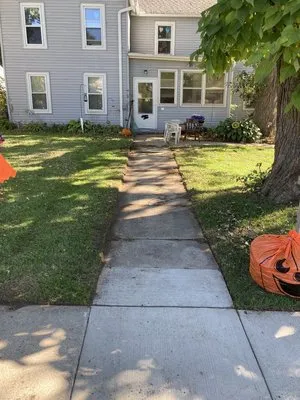
Djalt Lawn Maintenance is a family-operated lawn care business proudly serving Stoughton and the surrounding communities. Founded in 2021 by Josh and his fiancé Amanda, the company blends Josh's lifel...
AJ Lawn Care is your trusted local lawn service provider in Stoughton, Wisconsin, dedicated to keeping your property healthy and beautiful. We understand the common local challenges homeowners face, s...
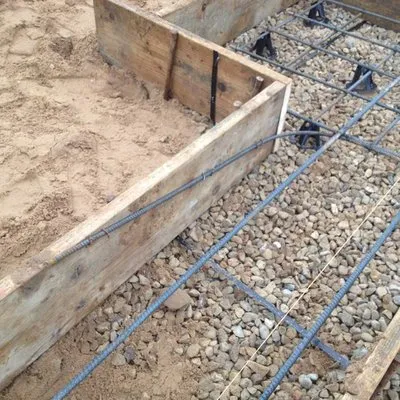
Landmark Improvements
Landmark Improvements, L.L.C. has been serving Stoughton, WI, and the surrounding communities since 2004 as a licensed and insured landscaping company. We specialize in a comprehensive range of servic...
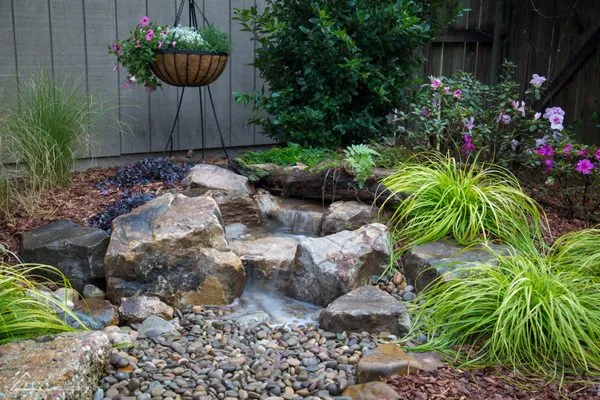
Since 2009, PFD Property Maintenance has been the trusted local choice for Brooklyn, WI residents seeking reliable and professional property care. We understand that your property is a reflection of y...

TL Professional Services is a Mineral Point-based property management company specializing in pest control, landscaping, and window washing. Founded in 2005 and serving Iowa County, we combine a degre...
Estimated Landscaping Service Costs in Stoughton, WI
Questions and Answers
What permits and licenses are needed for grading work on my 0.22-acre Stoughton lot?
The Stoughton Planning & Development Department requires grading permits for soil movement exceeding 50 cubic yards or altering drainage patterns on 0.22-acre parcels. Contractors must hold Wisconsin Department of Safety and Professional Services licensing for excavation work involving depths over 24 inches or within 10 feet of property lines. Erosion control plans showing silt fencing and stabilization measures are mandatory during active work periods. Final inspections verify grade slopes away from foundations at minimum 2% gradient to prevent water intrusion issues.
Are concrete pavers better than wood for Stoughton patios considering durability and safety?
Concrete pavers offer 25+ year lifespans versus wood's 10-15 years in Wisconsin's freeze-thaw cycles, with minimal maintenance beyond occasional joint sand replenishment. Their non-combustible nature supports Stoughton's low Firewise rating by creating defensible space without adding fuel loads near structures. Permeable paver systems manage stormwater runoff more effectively than solid concrete, meeting municipal requirements for 80% permeability in new installations. Crushed limestone pathways provide additional firebreaks while allowing water infiltration through 0.5-inch aggregate layers.
What solutions prevent seasonal ponding in Stoughton's low-lying areas with silt loam soil?
Moderate ponding in silt loam indicates permeability rates below 1.0 inch per hour, requiring graded swales directing water away from structures toward infiltration basins. Replacing impermeable surfaces with permeable concrete pavers or crushed limestone increases absorption capacity by 40-60%. The Stoughton Planning & Development Department requires drainage plans showing 1% minimum slope away from foundations for new installations. French drains with clean washed gravel and filter fabric provide secondary protection in persistently wet zones.
How do smart irrigation systems work with Stoughton's voluntary water conservation guidelines?
Wi-Fi ET-based weather sensing irrigation calculates evapotranspiration rates specific to Stoughton's microclimate, adjusting watering schedules daily to match plant needs without waste. These systems maintain Kentucky Bluegrass and Fine Fescue mixes with 30-40% less water than traditional timers by accounting for rainfall, humidity, and temperature fluctuations. Programming follows the 1-inch per week guideline for established turf during active growth periods. Municipal water limits are respected through flow monitoring that automatically reduces runtime if pressure drops indicate system-wide conservation efforts.
Why does my Stoughton yard have such compacted soil that needs aeration every year?
Downtown Stoughton properties built around 1982 have silt loam soil that has matured for 44 years, developing significant compaction from decades of foot traffic and maintenance equipment. This soil type naturally settles and loses permeability over time, restricting water infiltration to just 0.5-1.5 inches per hour. Core aeration with 3-4 inch depth spacing creates channels for air, water, and organic amendments to reach root zones. Adding composted organic matter at 0.25 cubic yards per 1000 square feet annually improves soil structure and microbial activity.
How quickly can you respond to emergency storm damage for HOA compliance in Downtown Stoughton?
Our electric maintenance fleet can dispatch from Mandt Park via US-51 to reach Downtown Stoughton properties within 20-30 minutes during peak response windows. This routing avoids residential congestion while complying with noise ordinances restricting equipment operation between 9 PM and 7 AM. Emergency cleanup protocols prioritize safety hazards like downed limbs obstructing walkways or driveways before addressing aesthetic concerns. We coordinate directly with HOA representatives to document compliance requirements and restoration timelines.
What invasive species threaten Stoughton yards, and how can I treat them safely?
Garlic mustard and creeping bellflower present significant invasion risks in silt loam soils, outcompeting natives and altering soil chemistry. Manual removal before seed set in early spring prevents spread without chemical intervention. For persistent infestations, targeted glyphosate applications in fall follow Wisconsin's phosphorus ban exceptions for spot treatments only. Avoid fertilizer applications during treatment periods to prevent nutrient runoff violations. Regular monitoring of property edges near natural areas catches new invasions before establishment.
Can I reduce maintenance noise and costs by replacing some lawn with native plants?
Transitioning 25-40% of high-maintenance turf to Purple Coneflower, Wild Bergamot, Butterfly Milkweed, and Little Bluestem reduces mowing frequency by 50% and eliminates gas-powered blower use during restricted hours. These deep-rooted natives establish mycorrhizal networks that improve soil structure and drought tolerance beyond typical turfgrass capabilities. Established native plantings require only seasonal trimming rather than weekly maintenance, aligning with evolving municipal noise ordinances targeting combustion engine equipment. Biodiversity increases support pollinator populations while reducing water and fertilizer inputs.
