Top Landscaping Services in Shullsburg, WI, 53586 | Compare & Call
There are 76 landscaping companies server in Shullsburg WI
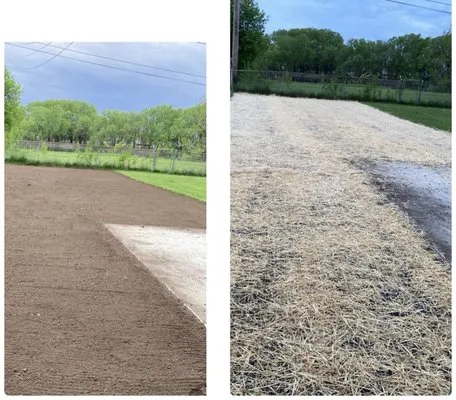
PALEX- Landscaping and Lawn care
PALEX Landscaping & Lawn Care is a family-owned Madison business that started in 2019 with a focus on snow removal. We've grown from a seasonal operation into a year-round service by expanding our ski...

Jascorp is a dedicated Madison landscaping company focused on solving the specific yard maintenance challenges faced by local homeowners. We understand the persistent issues of weeds invading mulch be...

Midwest Custom Curbing, a division of Johnson Lawncare and Landscaping, serves Oregon and the Greater Dane County area with durable, decorative concrete landscape borders. We specialize in creating cu...
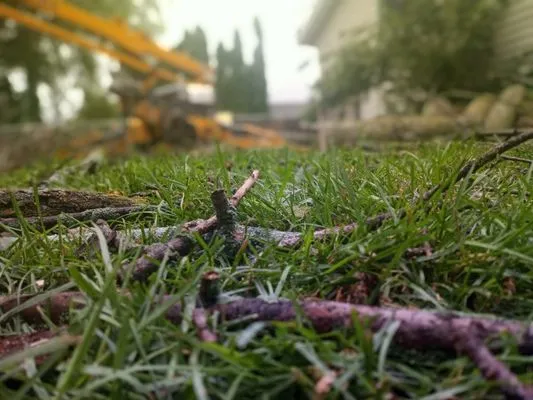
Based in Reeseville, GoJo is a full-service landscaping and tree care company dedicated to enhancing and protecting your outdoor space. We specialize in a comprehensive range of services, from earthmo...
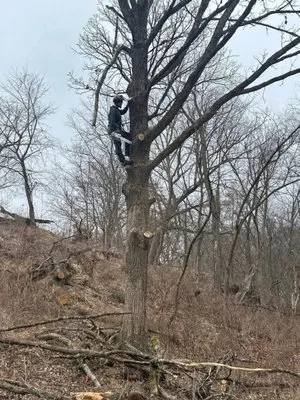
Driftless Outdoor Services
Driftless Outdoor Services is your trusted local expert in Mineral Point, WI, specializing in comprehensive outdoor solutions including irrigation, landscaping, and lighting. We understand the unique ...
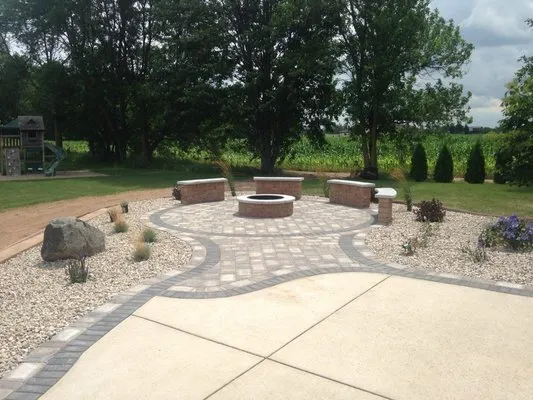
Ruechel Landscape serves Waterloo and the greater Madison area with comprehensive, full-service landscaping solutions. We begin every project with a detailed consultation to understand your vision, wh...
Rist Snow Removal & Lawn Care is a DeForest, WI-based company dedicated to solving the common landscaping challenges faced by local homeowners. We specialize in comprehensive lawn care and reliable sn...
Stroede’s Landscaping and Mowing
Stroede’s Landscaping and Mowing is your trusted, locally-owned lawn and tree care expert in Poynette. We understand the unique challenges Poynette homeowners face, from rock gardens that shift with t...
Keyman Lawn, Tree & Pest is a family-owned, licensed landscaping service in Verona, Wisconsin, with deep roots in the community dating back to 1996. For over 35 years, they have specialized in creatin...
John Flatman Precision Mowing has been a trusted lawn care and landscaping provider in Stoughton and throughout Dane County since 1999. As a family-owned business with over 18 years of experience, we ...
Estimated Landscaping Service Costs in Shullsburg, WI
Question Answers
How do I control invasive species without violating fertilizer laws?
For invasive species like Garlic Mustard or Buckthorn, apply targeted herbicide in early spring before Wisconsin's phosphorus runoff restrictions activate. Manual removal during late April mulching season prevents chemical use near waterways. Always check the statewide phosphorus law's blackout dates for turf applications. On silty clay loam, spot-treat invasives with glyphosate alternatives that won't leach into groundwater during spring thaw.
Should I replace high-maintenance turf with native plants?
Transitioning to Common Milkweed, Bergamot, Little Bluestem, and Prairie Dropseed reduces maintenance by 70% while supporting 2026 biodiversity standards. These natives require no weekly mowing, eliminating gas-powered equipment that violates Shullsburg's noise ordinance during restricted hours. Established native plantings need only seasonal trimming, creating habitat for pollinators while conserving 15,000-20,000 gallons of water annually on 0.22-acre lots.
How quickly can you respond to storm damage for HOA compliance?
Emergency cleanup crews dispatch from Badger Park via WI-11, arriving in 25-35 minutes during peak conditions. We maintain electric-powered equipment to comply with Shullsburg's 9 PM-7 AM noise ordinance while clearing debris. For 0.22-acre Historic Downtown properties, we prioritize fallen limb removal and turf repair to meet neighborhood standards within 48 hours of notification.
Why does my Historic Downtown lawn struggle with compaction and poor drainage?
Shullsburg's 1952-built homes have 74-year-old soil profiles. Historic Downtown lots feature silty clay loam (pH 6.8-7.2) that has become compacted over decades, reducing permeability to 0.1-0.3 inches per hour. This soil requires annual core aeration and 0.5-1 inch of compost topdressing to rebuild soil structure. Without organic amendments, water pools on the surface rather than infiltrating to root zones.
What permits and licenses are needed for grading my 0.22-acre lot?
Grading projects exceeding 50 cubic yards of soil movement require permits from the Shullsburg City Clerk/Zoning Department. Contractors must hold Wisconsin Department of Safety and Professional Services licensing for excavation work. On 0.22-acre Historic Downtown lots, this typically involves engineered drainage plans showing how modified slopes will handle the property's clay-heavy runoff patterns without affecting neighboring foundations.
Can smart irrigation keep my Kentucky Bluegrass healthy under water restrictions?
Smart soil-moisture sensor controllers maintain turf health while conserving 30-50% of typical water use. These systems measure actual soil moisture at 6-inch depths, triggering irrigation only when Kentucky Bluegrass and Fine Fescue reach 50% depletion. This ET-based approach stays within Shullsburg's Standard Conservation guidelines while preventing the 40% runoff common with timer-based systems on clay-heavy soils.
What's the best solution for moderate runoff in my clay-heavy yard?
Silty clay loam's low permeability (0.1-0.3 in/hr) requires integrated drainage solutions. Replace impermeable surfaces with crushed limestone pavers (permeability 2-4 in/hr) and install French drains with clean stone aggregate. The Shullsburg City Clerk requires drainage plans showing 10% slope away from foundations. For 0.22-acre lots, this typically involves 40-60 linear feet of permeable hardscape to meet runoff standards.
Are crushed limestone and clay brick better than wood for patios?
Crushed limestone (50+ year lifespan) and clay brick pavers (100+ years) outperform wood (10-15 years) in Shullsburg's Zone 5a climate. These materials maintain structural integrity through freeze-thaw cycles while providing fire-wise defensible space. In Low-Moderate Urban Wildland Interface zones, non-combustible hardscape creates 30-foot buffers that slow fire spread more effectively than wooden decks or mulch beds.
