Top Landscaping Services in Salem, WI, 53104 | Compare & Call
There are 77 landscaping companies server in Salem WI

Lawn Pros is a family-owned landscaping company serving Union Grove, WI, dedicated to personalized care for your outdoor space. We focus on building lasting relationships with our neighbors by providi...
AMJ Lawn & Landscape is a locally owned and operated business serving East Troy, WI, and the surrounding communities for over 16 years. We build lasting relationships with our neighbors by providing r...
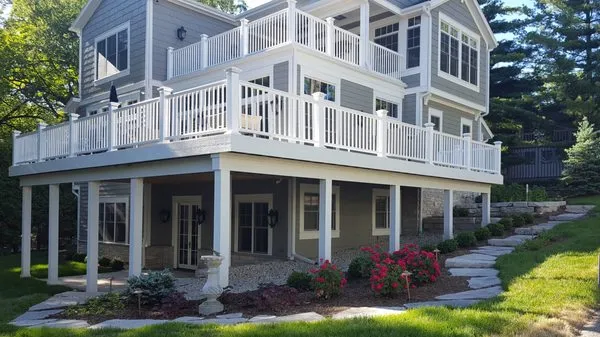
B&J Tree & Landscape Service
B&J Tree & Landscape Service is a Lake Geneva, Wisconsin institution. Founded as B&J Tree Service in 1959 by Dale Castleman's father, the family-operated business has grown under Dale's leadership sin...
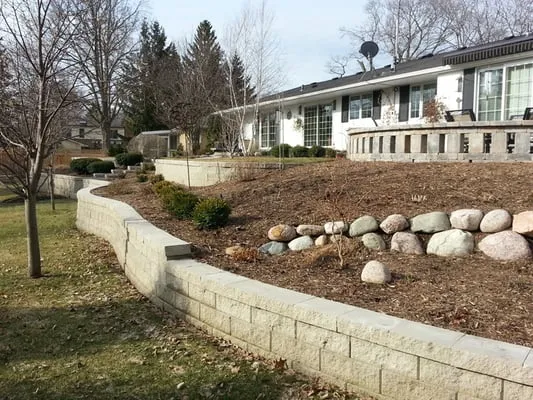
Burdick Lawn & Landscaping, L.L.C. has been the trusted local choice for landscaping and snow removal in Elkhorn and throughout Walworth County since 2005. As a fully insured provider, we bring over t...

Santa Ana Landscaping is a full-service landscaping company serving homeowners in Trevor, WI, and the surrounding areas. We specialize in garden care, landscaping, and snow removal, offering comprehen...
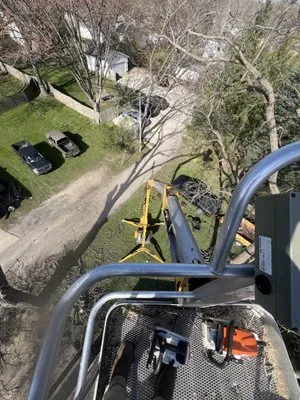
K & S Tree and Landscaping is a full-service landscape and tree care company serving the Burlington, WI community. We specialize in transforming and maintaining outdoor spaces, from initial design and...
Leon Landscaping is your trusted, locally-owned landscaping and tree care expert serving Twin Lakes, WI, and the surrounding communities. We specialize in comprehensive landscape maintenance and profe...
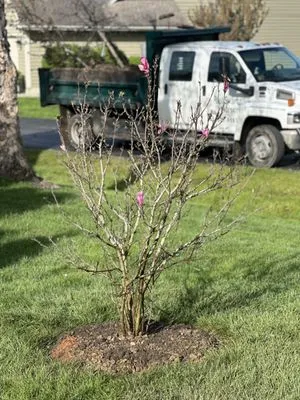
Paul Swartz Nursery
Since 1949, Paul Swartz Nursery has been a trusted, family-owned landscape nursery serving Burlington, Southeastern Wisconsin, and Northeastern Illinois. As a second-generation operation under owner R...
Vozel Landscape Maintenance is your trusted local partner for year-round property care in Burlington, WI. As a fully licensed and insured team, we provide reliable lawn maintenance, precise hedge trim...
Workman's South Side Materials is your local Salem, WI, partner for solving common yard challenges. We understand that many area homes deal with frustrating issues like standing water after heavy rain...
Estimated Landscaping Service Costs in Salem, WI
Q&A
Do we need a permit to regrade our yard and add a dry creek bed?
Yes, significant regrading or altering drainage patterns on a 0.45-acre lot typically requires review by the Kenosha County Department of Planning and Development. Furthermore, this work must be performed by or under the supervision of a licensed professional holding credentials from the Wisconsin Department of Safety and Professional Services. This ensures compliance with state erosion control and stormwater management statutes, protecting both your property and downstream watersheds.
Why does our soil seem so compacted and dense compared to natural areas?
Properties in Salem Lakes Central, typically developed around 1986, have a 40-year soil history. Original topsoil was often stripped and replaced with a thin layer over compacted subsoil, common in our region's silt loam. This base restricts root growth and water percolation, leading to seasonal saturation. Annual core aeration and incorporating 1-2 inches of compost are critical to rebuild soil structure and biology.
How quickly can a crew arrive for an emergency cleanup after a major storm?
For urgent HOA compliance or storm debris removal, a dispatch from the Richard Bong State Recreation Area area via WI-83 allows a crew to reach most Salem addresses within the 45-60 minute peak response window. This accounts for traffic and immediate equipment staging. Communication with the property manager prior to arrival ensures efficient site access and a clear work plan.
Our yard stays soggy for days after rain. What's the best long-term fix?
This is a classic symptom of the high water table and seasonal saturation in Salem's silt loam soil. Solutions start with regrading to create positive surface flow away from foundations. For hardscapes, specify permeable installations using crushed limestone bases and concrete pavers set with open joints. These methods increase infiltration and can help meet Kenosha County runoff management standards for new installations.
Can we have a green lawn while following Salem's voluntary water conservation?
Yes, using smart Wi-Fi soil moisture sensors is the definitive method. These devices schedule irrigation based on actual evapotranspiration (ET) and soil conditions, not a preset timer. For Kentucky Bluegrass and Fine Fescue blends, this prevents overwatering, encourages deeper roots, and keeps usage well within municipal guidelines. This system automatically adjusts for rainfall, making conservation effortless.
We have creeping Charlie and garlic mustard taking over. How do we treat it safely?
For creeping Charlie, a spring or fall application of a selective, phosphorus-free herbicide is effective, followed by overseeding. Garlic mustard should be hand-pulled before seed set in May. All treatments must use Wisconsin-mandated phosphorus-free fertilizers and avoid application before forecasted rain to prevent runoff. Consistent manual removal and promoting dense native plantings are the best long-term cultural controls.
Should we use wood or stone for a new patio and walkway?
In Salem's climate and with a Moderate Wildland-Urban Interface rating, crushed limestone and concrete pavers offer superior longevity and fire resilience compared to wood. These materials do not decompose, warp, or provide combustible fuel within the recommended defensible space zone. A properly installed aggregate base ensures stability through freeze-thaw cycles, providing a permanent, low-risk solution.
Is there a lower-maintenance alternative to our weekly mowing schedule?
Replacing high-input turf areas with a matrix of native plants like Purple Coneflower, Little Bluestem, Butterfly Milkweed, and Wild Bergamot drastically reduces maintenance. These deep-rooted perennials require no mowing, minimal watering once established, and provide superior habitat. This transition also future-proofs your property against evolving noise ordinances restricting gas-powered equipment.
