Top Landscaping Services in Rutland, WI, 53521 | Compare & Call
There are 198 landscaping companies server in Rutland WI

Midwest Custom Curbing, a division of Johnson Lawncare and Landscaping, serves Oregon and the Greater Dane County area with durable, decorative concrete landscape borders. We specialize in creating cu...

Jackson's Yard Care has been a trusted name in Sun Prairie and Dane County since 2009. Founded by Action Jackson and his family, the business was inspired by a simple mission: to help neighbors who ar...

AYA Lawn Care & Snow Removal is a Sun Prairie-based, family-owned business dedicated to protecting and enhancing your property year-round. We understand the local challenges homeowners face, from land...
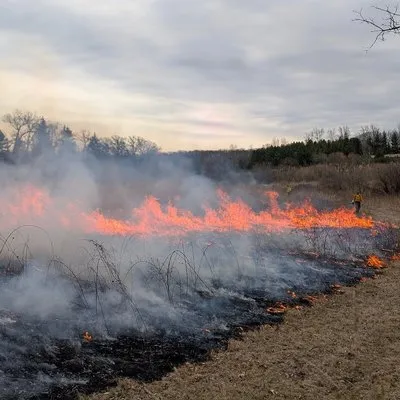
Tim Andrews Horticulturist
Tim Andrews Horticulturist is a licensed, full-service landscape and tree care provider rooted in Mazomanie, Wisconsin. We approach every project, from tree pruning to landscape construction, with the...
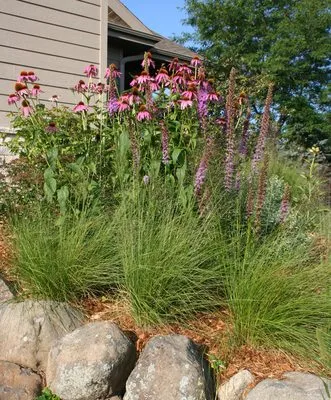
Formecology, based in Evansville, WI, is a sustainable landscape design, build, and care firm led by licensed landscape architect John J Gishnock III. With over 27 years of combined industry experienc...
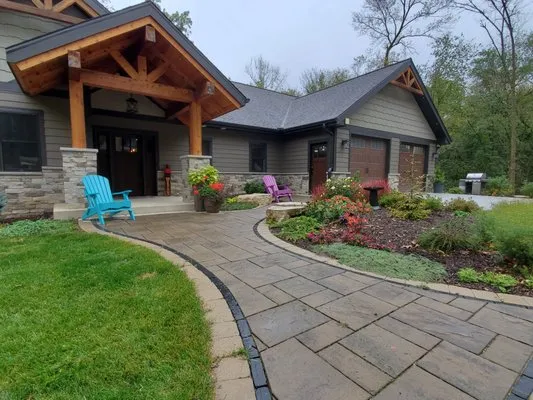
Sunnyside Landscapes is a design-build company founded in 2023, serving Verona and all of Dane County. While newly established, the team brings over three decades of combined professional landscaping ...
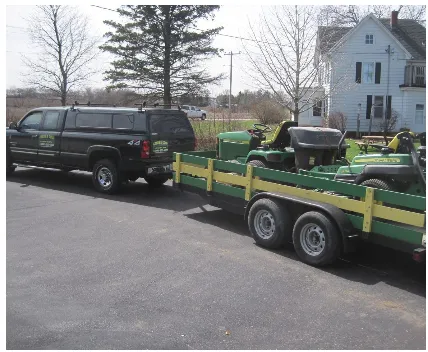
Green & Gold Lawn Care is a family-owned lawn service business serving Mayville, Wisconsin, with over 25 years of experience. Specializing in comprehensive lawn care, including fertilizing, weed contr...
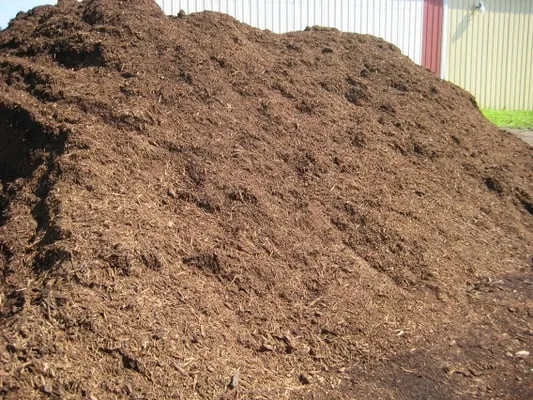
Ace Mulches is a family-owned and operated landscaping business serving Madison, WI, since 1986. With deep roots in the community, we specialize in providing natural mulches, decorative mulches, and p...
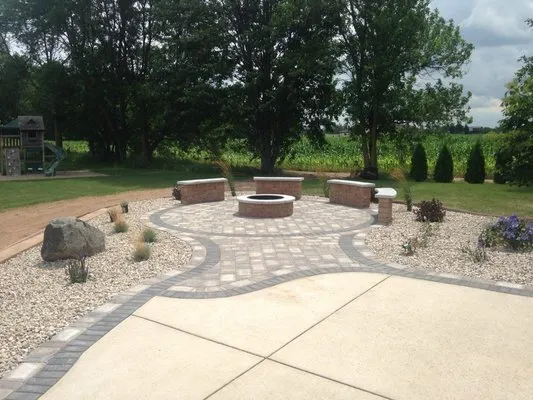
Ruechel Landscape serves Waterloo and the greater Madison area with comprehensive, full-service landscaping solutions. We begin every project with a detailed consultation to understand your vision, wh...

Prairie Pro Services is a family-owned, locally operated company based in Sun Prairie, serving Marshall, Madison, and the surrounding areas for nearly 15 years. We specialize in comprehensive lawn car...
Estimated Landscaping Service Costs in Rutland, WI
Question Answers
What invasive species should I watch for, and how do I treat them without harming my lawn?
Garlic mustard and creeping bellflower are prevalent invasive threats in this area. Treatment requires targeted methods, especially given the local ordinance prohibiting phosphorus on established turf. For broadleaf invasives, careful spot-application of appropriate herbicide is effective. For larger infestations, manual removal followed by solarization or planting aggressive natives like Wild Bergamot can outcompete weeds without violating fertilizer blackout dates.
I'm tired of constant mowing and blowing. Are there lower-maintenance, eco-friendly options?
Absolutely. Transitioning sections of high-input turf to a native plant community is a forward-thinking strategy. Species like Little Bluestem, Butterfly Milkweed, and Prairie Dropseed are adapted to Zone 5b, require no fertilizer, minimal water, and only an annual cutback. This reduces reliance on gas-powered mowers and blowers, aligning with evolving noise ordinances and supporting local pollinator biodiversity.
My yard floods in certain spots. What's a permanent solution that also looks good?
This is a common issue with Rutland's silt loam and its clay pockets, which hinder infiltration. The solution integrates subsurface drainage with surface design. We install French drains or dry wells to manage subsurface water, while using permeable materials like crushed limestone for patios and paths. This system meets Dane County runoff standards by allowing water to percolate into the ground rather than sheeting off towards structures.
How fast can a crew respond for an emergency storm cleanup or HOA violation notice?
For urgent service requests, our standard dispatch originates near the Rutland Town Hall. Using US Highway 14, we can typically reach most properties in the township within a 45-60 minute window during peak conditions. This routing allows for efficient mobilization of equipment and personnel to address downed limbs or compliance deadlines, though exact timing is contingent on road conditions and the scope of the incident.
What permits and contractor qualifications are needed for regrading my 1.5-acre lot?
Significant earthmoving on a property of this scale typically requires a land disturbance permit from Dane County Planning and Development. It is imperative to hire a landscape contractor licensed by the Wisconsin Department of Safety and Professional Services. This licensing ensures they carry the required liability insurance and possess the expertise to manage drainage, comply with erosion control ordinances, and prevent downstream sedimentation.
Is it possible to maintain a healthy Kentucky Bluegrass lawn here without wasting water?
Yes, even with no current municipal restrictions, water conservation is managed through technology. Smart soil-moisture sensor controllers are the standard. These systems irrigate based on actual evapotranspiration (ET) and soil conditions, not a fixed schedule. This method delivers water only when and where the turf's root zone needs it, preserving the bluegrass and fescue mix while minimizing runoff and utility consumption.
Are crushed limestone patios a better choice than wood decks for our climate?
For longevity and low maintenance in Wisconsin's freeze-thaw cycles, inorganic materials like crushed limestone or granite pavers are superior. They do not rot, warp, or require sealing. From a Firewise perspective, creating defensible space with these non-combustible materials is prudent for properties in moderate-risk rural interface zones. They provide a stable, permeable surface that complements the landscape for decades.
Why does my lawn in Rutland Center have compacted, soggy patches every spring?
Homes built around 1978, like many in Rutland Center, have soil profiles that have matured for nearly 50 years. The prevalent Mollisols silt loam naturally compacts over decades of standard maintenance, reducing pore space. This compaction, combined with inherent clay pockets, creates poor infiltration and a seasonal high water table. Core aeration and incorporating composted organic matter are critical to rebuild soil structure and improve percolation.
