Top Landscaping Services in Rockland, WI, 54115 | Compare & Call
There are 27 landscaping companies server in Rockland WI
Lawn Mowing by Scott is a professional lawn care company serving Sparta and Monroe County, Wisconsin. With over 40 years of experience, Scott and his team provide reliable lawn mowing and maintenance ...
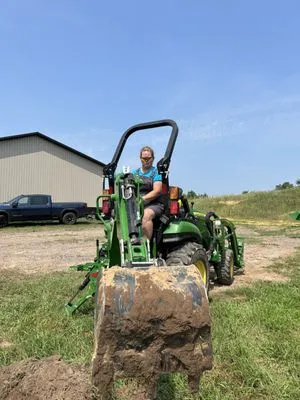
FAWN Tractor Solutions is a local Melrose business dedicated to hands-on property care and improvement. We specialize in a wide range of landscaping and tiling services, from foundational tasks like g...
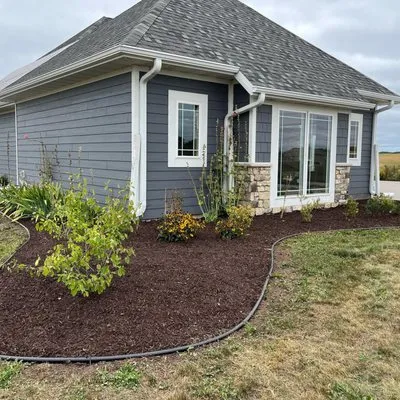
Midwest Property Renovation
Midwest Property Renovation is a Cashton, WI-based landscaping and construction company dedicated to enhancing outdoor spaces with integrity and local care. We specialize in a wide range of projects, ...
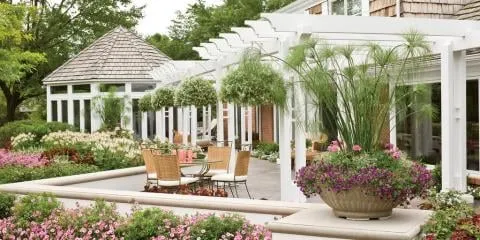
Christen Farm Nursery
Christen Farm Nursery is a full-service landscaping and garden center in Onalaska, WI. We help local homeowners create and maintain beautiful, healthy outdoor spaces. We understand common local challe...

River Country Landscapes has been a trusted name in Holmen's outdoor service industry since 2010. What began with a single mower has grown into a full-service operation equipped to handle everything f...

North Land Yard Care is a trusted local provider in Galesville, WI, specializing in comprehensive yard maintenance to keep your property looking its best year-round. We offer professional lawn care, r...
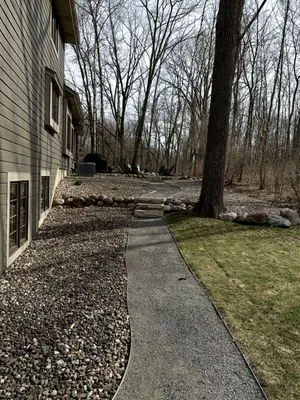
Aspire Lawn and Landscape is a local, full-service contractor dedicated to maintaining and enhancing properties for homeowners and businesses across the La Crosse area and Coulee Region. We focus on p...
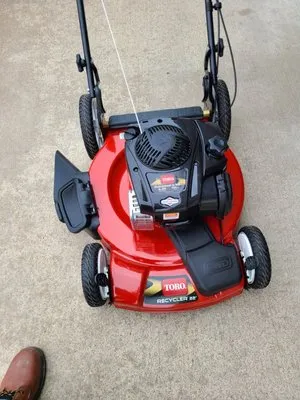
Brunker Services Plus is your Sparta neighbor for dependable outdoor care. We tackle common local landscaping headaches like overgrown shrubs and persistent lawn fungus with our comprehensive lawn car...
Zellmer Excavating is a family-owned excavation business serving Tomah, WI, and surrounding areas for over 25 years. Founded by Dean Zellmer, a 1982 Tomah High School graduate, the company began when ...
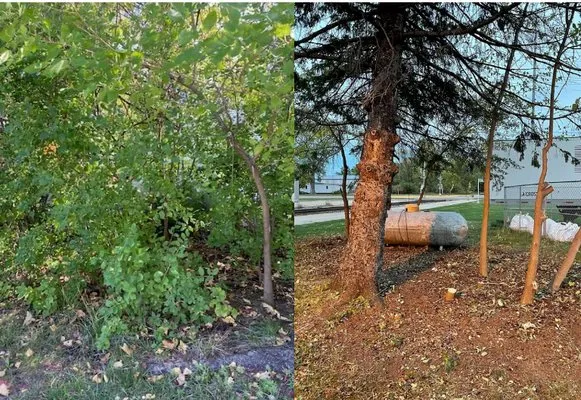
Phenomelawn is a locally owned and operated lawn care company in Tomah, WI, founded by Alex Paisley. Starting the business at age 16, Alex has grown Phenomelawn into one of the city's most sought-afte...
Estimated Landscaping Service Costs in Rockland, WI
Common Questions
What permits and credentials are needed to regrade my backyard?
Significant grading on a 0.25-acre lot often requires a permit from La Crosse County Zoning, Planning & Land Information to ensure proper stormwater management. The contractor must hold appropriate licensing through the Wisconsin Department of Safety and Professional Services. This ensures the work adheres to codes for erosion control, drainage, and property line setbacks, protecting your investment and neighboring parcels.
How fast can you respond to an emergency storm cleanup to avoid HOA fines?
Our standard emergency dispatch for Downtown Rockland routes from our central staging at Rockland Village Park directly to I-90, ensuring a 20-30 minute arrival during peak events. This protocol is designed for rapid debris management and limb removal to restore property safety and maintain compliance. We coordinate with local authorities to prioritize access for crews operating within the village's noise ordinance hours.
My yard stays soggy and my driveway heaves every spring. What's the cause?
This is a classic symptom of the Seasonal High Water Table and frost heave hazard in our silt loam soils. The fine soil particles hold water, which expands upon freezing. Mitigation involves improving site permeability. We recommend replacing solid surfaces with permeable concrete pavers or crushed limestone bases. These materials facilitate subsurface drainage and often help projects meet La Crosse County runoff management standards.
Should I use concrete pavers or wood for a new patio?
Concrete pavers offer superior longevity and lower lifecycle maintenance compared to wood, which decays and requires sealing. In Rockland's climate, pavers resist frost heave better when installed with a proper base. For all properties, including those in low Fire Wise rating zones, pavers and crushed limestone provide a non-combustible, defensible space material that enhances safety without sacrificing aesthetics.
Why does my lawn in Downtown Rockland look thin and compacted?
Homes built around 1989, like many in your area, have soils that have matured for roughly 37 years without significant amendment. The prevalent Neutral Silt Loam, while fertile, becomes dense over decades of standard maintenance. This compaction restricts root growth and water percolation. A core aeration and top-dressing with compost is critical to reintroduce organic matter and improve soil structure for long-term health.
Is it wasteful to run sprinklers when Rockland has no official water restrictions?
Voluntary conservation is essential, and modern Wi-Fi ET-based irrigation controllers are the solution. These systems use real-time weather data to apply only the precise water lost to evapotranspiration, preventing overwatering. This technology maintains Kentucky Bluegrass health while reducing municipal water use by 20-40%. It represents a responsible upgrade that aligns with regional water stewardship goals.
What invasive species should I watch for, and how do I remove them safely?
Garlic Mustard and Buckthorn are prevalent invasive alerts in Zone 4b. Manual removal for young plants and targeted cut-stump herbicide applications for mature specimens are effective. All treatments must comply with Wisconsin's Phosphorus Application Prohibition (Stat. 94.643), meaning no phosphorus-containing fertilizers can be used. Proper disposal of plant material is crucial to prevent re-establishment.
I'm tired of weekly mowing. Are there lower-maintenance options?
Transitioning high-input turf to a climate-adaptive landscape is a forward-thinking strategy. A designed matrix of native plants like Purple Coneflower, Butterfly Milkweed, and Little Bluestem establishes a resilient, low-water ecosystem. This approach drastically reduces mowing and eliminates the need for gas-powered blowers, future-proofing your property against evolving noise ordinances and supporting 2026 biodiversity benchmarks.
