Top Landscaping Services in Rio, WI, 53960 | Compare & Call

There are 101 landscaping companies server in Rio WI
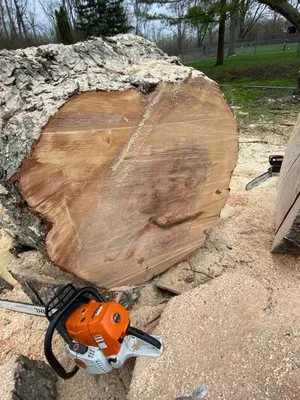
Your Friendly Neighbor Landscaping & Tree Service
Your Friendly Neighbor Landscaping & Tree Service started as a small, dedicated team and has grown into a trusted Milwaukee resource by focusing on reliability and value for every residential and comm...
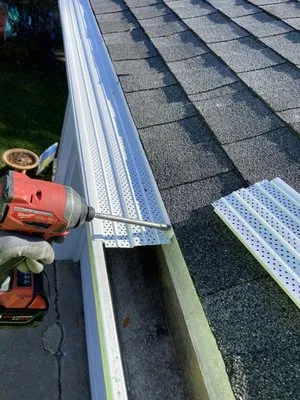
David's Lawn Services is a family-owned business serving Lake Mills, WI, with over a decade of experience providing reliable lawn care, gutter services, and pressure washing. We focus on delivering qu...
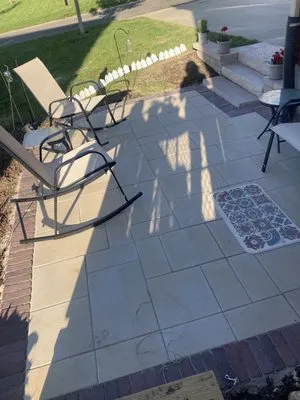
Alonso Landscape Service
Alonso Landscape Service LLC has been enhancing outdoor spaces in Middleton, WI, and throughout Dane County since 2007. With over 15 years of experience, we specialize in comprehensive landscaping sol...
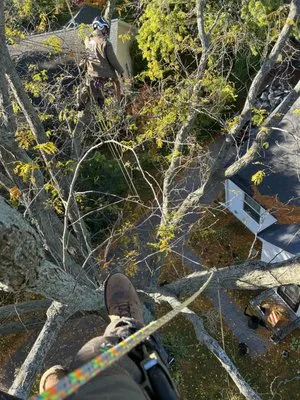
Community Tree Care is a locally owned and certified arborist service based in Madison, WI, serving the Fitchburg, Verona, and New Glarus areas. We provide comprehensive tree care, from planting and p...
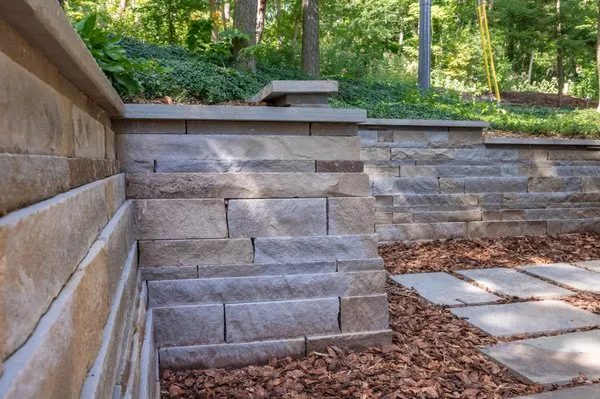
Aspen Garden & Landscape
Founded by Eric in 2015, Aspen Garden & Landscape brings over twenty years of professional experience and formal education in Landscape Architecture and Horticulture to Oregon, WI. Unlike typical land...
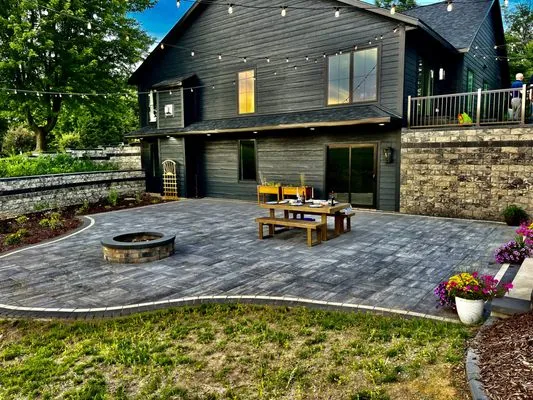
Western Landscape is a Verona-based landscaping company founded in 2015 by brothers Sam and Elijah Skalsky, who bring their experience as volunteer firefighters to ensure efficient, skilled service. T...
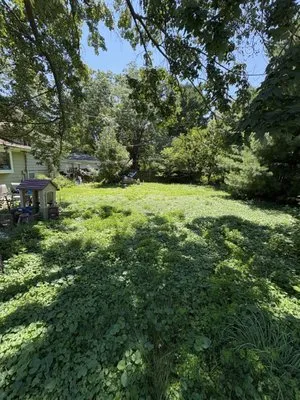
Dom's Landscaping and Snow Removal is a trusted local business serving Madison, WI, specializing in comprehensive landscape maintenance and lawn care. Many Madison homeowners face common issues like s...

GreenScape Creations is your Belleville-based partner for creating and maintaining exceptional outdoor spaces. We understand that your yard should be a personal retreat, not just another chore. That's...
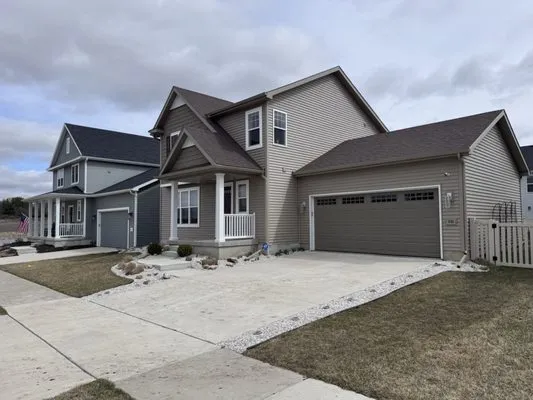
Friendly Landscaping is a family-owned and operated business serving Madison and surrounding communities. We are dedicated to providing reliable, high-quality landscaping services that enhance both th...
Gutierrez Lawn Care brings a fresh, dedicated approach to lawn services in Madison, Sun Prairie, and Waunakee. As a new, owner-operated business, we focus on providing reliable mowing with a personal ...
Estimated Landscaping Service Costs in Rio, WI
Frequently Asked Questions
Our patio floods every spring. What's a long-term fix?
Moderate frost-heave and spring saturation are predictable in silt loam soils. Replacing impermeable surfaces with a permeable base of crushed limestone, topped with concrete pavers set with open joints, allows infiltration. This system manages runoff on-site, often meeting Columbia County Planning & Zoning standards for new installations and alleviating the ponding caused by seasonal freeze-thaw cycles.
We have creeping Charlie taking over. How do we treat it safely?
For invasive ground covers like creeping Charlie, targeted post-emergent herbicide applications in early fall are most effective. All treatments must adhere to Wisconsin's statewide phosphorus ban for turf fertilizers. We employ integrated methods—improving turf density through proper fertilization and using spot treatments—to manage invasions without violating chemical application guidelines or harming soil biology.
Should we use wood or stone for a new patio and fire pit area?
Crushed limestone and concrete pavers offer superior longevity and minimal maintenance compared to wood in Wisconsin's climate. For properties in low Fire Wise rating zones with woodland interface, these non-combustible materials also contribute to defensible space. Their permeability and durability provide a stable surface resistant to frost-heave, outperforming wood's susceptibility to decay and replacement.
We need storm damage cleared for an HOA deadline. How fast can you respond?
Emergency cleanup dispatch from our base near Rio Community Park uses WI-16 for direct access to Rio Central. Our standard peak response window is 20-30 minutes. We coordinate with local utilities for downed wire safety and prioritize debris removal to meet compliance timelines, utilizing electric chippers to comply with daytime noise ordinances starting at 7 AM.
Do we need a permit to regrade our backyard for better drainage?
Regrading a 0.35-acre lot often requires a permit from Columbia County Planning & Zoning, especially if it alters water flow to adjacent properties. This work must be performed by a contractor licensed by the Wisconsin Department of Safety and Professional Services. Licensing ensures proper understanding of soil mechanics, drainage law, and erosion control, which are critical for preventing downstream issues and compliance.
How can we keep our Kentucky Bluegrass healthy without wasting water?
Wi-Fi ET-based irrigation controllers are the standard for Rio. These systems use real-time evapotranspiration data from local weather stations to schedule precise watering, matching municipal conservation recommendations. This technology applies water only when the turfgrass root zone requires it, preventing overwatering during spring thaw saturation and maintaining canopy health within voluntary limits.
We're tired of weekly mowing. What's a quieter, lower-maintenance alternative?
Transitioning turf areas to a native matrix of Little Bluestem, Butterfly Milkweed, Wild Bergamot, and Prairie Dropseed significantly reduces mowing and fuel-based maintenance. This xeriscape approach builds drought resilience and habitat, aligning with the industry shift toward electric equipment to pre-empt stricter noise ordinances on gas-powered blowers and mowers.
Our yard feels spongy and thin. What's the story with our soil?
Properties in Rio Central, built around 1971, have soil profiles approximately 55 years old. This history typically results in a compacted silt loam layer from decades of construction traffic and standard maintenance. The pH of 6.5-7.2 is adequate, but low permeability and organic matter depletion are common. Core aeration combined with compost topdressing is required to rebuild soil structure and water infiltration.
