Top Landscaping Services in Pulaski, WI, 54162 | Compare & Call
There are 99 landscaping companies server in Pulaski WI
Hank's Clean Cuts is a trusted local landscaping service in Howard, Wisconsin, dedicated to solving the common yard problems homeowners face. Many properties in the area struggle with lawn fungus dise...
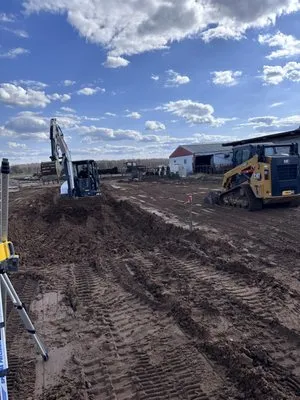
B & M Land Management LLC is a family-owned and operated business deeply rooted in the Green Bay community. Our local ownership means we understand the specific challenges of Northeast Wisconsin's soi...
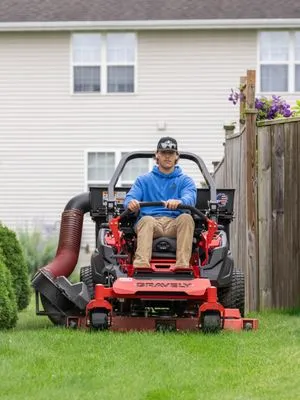
At Superior Lawn Care & Landscaping in Howard, WI, we provide professional lawn care and landscaping services for homeowners and businesses who value a well-maintained property. Our approach is built ...

Basche LLC, known locally in Abrams, WI as 'The Gravel Guys,' is a trusted, family-owned business specializing in the essential groundwork that keeps Northeast Wisconsin properties stable and function...
Grass Cuts is a dedicated Green Bay landscaping company focused on solving the common local lawn and irrigation issues homeowners face. We specialize in professional lawn care and comprehensive landsc...

Everything Under the Sun and Some is your trusted local landscaping partner in Green Bay, WI. We specialize in comprehensive solutions to keep your outdoor spaces thriving and beautiful year-round. A ...
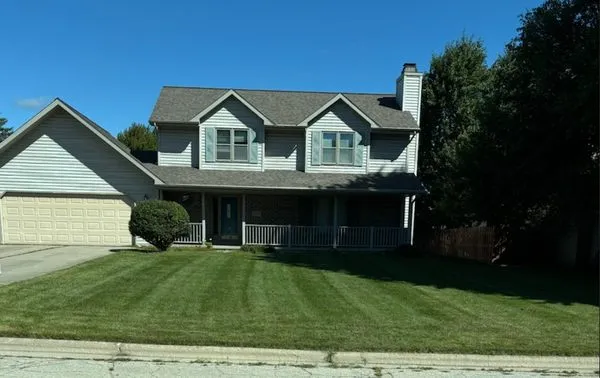
Baron's Total Outdoor Services is a Hobart-based company founded in 2023 by local Green Bay native Brooke Baron. With a deep understanding of Wisconsin's seasonal challenges, we provide reliable lawn ...
Reinke Property Management
Reinke Property Management is your trusted neighbor in Shawano, WI, dedicated to enhancing and protecting your property year-round. We understand the common local challenges homeowners face, such as p...
Wilcox Landworks is a family-owned landscaping and excavation business serving Pulaski, WI, and surrounding areas like Howard and Green Bay. With over a decade of experience, we specialize in resident...

Brian's Lawn Care and Snowplowing is a trusted, locally-owned service provider in Pulaski, WI, specializing in comprehensive lawn care and reliable snow removal. We understand the unique challenges Pu...
Estimated Landscaping Service Costs in Pulaski, WI
Frequently Asked Questions
I'm tired of weekly mowing and gas-powered noise. What are some quieter, lower-maintenance alternatives to a traditional grass lawn?
Transitioning to a climate-adaptive landscape is a forward-thinking solution. Replacing high-maintenance turf with a matrix of native plants like Purple Coneflower, Little Bluestem, and Butterfly Milkweed drastically reduces mowing, watering, and chemical needs. This established native planting requires no gas-powered blowers for maintenance, aligning with evolving noise ordinances, and provides superior habitat value, supporting local biodiversity and soil health.
How can I keep my Kentucky Bluegrass lawn healthy without wasting water or violating any local restrictions?
Effective irrigation in Zone 5a relies on precision, not volume. Smart Wi-Fi soil moisture sensor controllers are essential; they apply water only when the root zone needs it, preventing the overwatering that exacerbates our clay soil's drainage issues. Programming should follow evapotranspiration (ET) rates, with deep, infrequent watering cycles in the early morning to strengthen turf roots and conserve municipal water within standard conservation guidelines.
I've spotted what looks like Garlic Mustard in my flower beds. How should I handle it without using banned fertilizers or herbicides?
Garlic Mustard is a high-priority invasive in Wisconsin. The statewide phosphorus ban restricts many traditional lawn fertilizers but does not apply to targeted herbicide application for invasive species control. For immediate suppression, hand-pulling before seed set is effective for small patches. For larger infestations, a precise foliar application of a glyphosate-based herbicide in late fall or early spring, when natives are dormant, is the professional standard, always following label instructions to protect desirable plants.
Our lawn has always struggled with compaction and poor drainage. Is this just bad luck or is there a history to our soil in Pulaski Heights?
This is a common legacy of subdivision development. Homes built around 1985, like many in Pulaski Heights, often have soils stripped of their original topsoil and compacted by heavy machinery. Over 40 years, Kewaunee-Manawa Silty Clay Loam has likely settled further, reducing permeability and creating that classic hardpan layer. This necessitates core aeration and the incorporation of 2-3 inches of compost to rebuild soil structure and organic matter, which is critical for root development and water infiltration.
Our yard turns into a soggy mess every spring. What are the most effective solutions for this persistent wet area?
Seasonal saturation is a direct result of the high clay content in our local soil, which has very slow percolation. Solutions focus on moving water away from foundations and increasing ground absorption. Installing a French drain system tied to a dry well is a primary fix. For new hardscapes, specify permeable concrete pavers or an open-graded crushed limestone base to meet Village of Pulaski runoff standards by allowing water to infiltrate rather than sheet flow.
We have a storm-damaged tree blocking our driveway. What's the fastest timeline for emergency service in Pulaski?
For emergency storm response, our target arrival is 15-20 minutes during peak hours. Our dispatch from the Pulaski Village Hall area utilizes WIS-32 for efficient access to Pulaski Heights and surrounding neighborhoods. We prioritize safety-critical situations like blocked access or hazardous hanging limbs, deploying electric chainsaws and chippers that comply with local noise ordinances to begin immediate mitigation and debris management.
We want to regrade a sloping section of our yard. What permits and contractor qualifications should we verify before starting?
Regrading a 0.35-acre lot often requires a permit from the Village of Pulaski Building & Zoning Department, as it alters water runoff patterns affecting neighboring properties. Crucially, any contractor performing this work must hold the appropriate license from the Wisconsin Department of Safety and Professional Services, typically as a Dwelling Contractor Qualifier. This ensures they carry the required insurance and understand state codes for soil erosion control and proper drainage, protecting you from significant liability.
We're building a new patio. Are concrete pavers a better long-term choice than wood decking for our climate?
For longevity and minimal maintenance in Wisconsin's freeze-thaw cycles, concrete pavers are superior. They offer exceptional durability, will not rot or splinter, and their modular design allows for frost-heave movement without cracking. Compared to wood, they also contribute to a higher Fire Wise rating for the low-risk urban interface by creating a non-combustible defensible space immediately adjacent to the home, a prudent consideration for any hardscape material selection.
