Top Landscaping Services in Powers Lake, WI, 53105 | Compare & Call
There are 96 landscaping companies server in Powers Lake WI
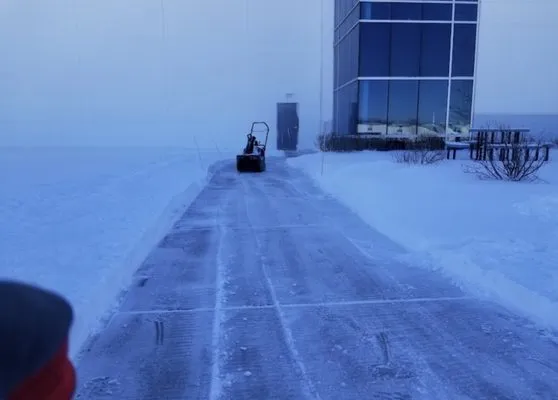
Green Cuts Landscaping is a locally owned and insured landscaping service dedicated to enhancing outdoor spaces throughout Lake Geneva and Walworth County. We provide comprehensive lawn care, landscap...
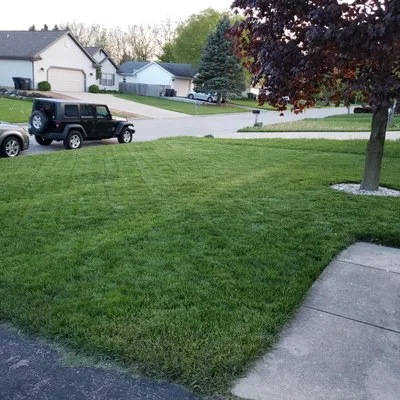
Menace Pros is a family-run lawn and tree service deeply rooted in Elkhorn, WI. Our work is driven by a commitment to family—both our own and yours. We believe in showing our kids the value of hard wo...

Money Movers in Genoa City, WI, is a locally owned and operated business with over 20 years of experience in landscaping, moving, and damage restoration. Founded by a professional who decided to build...

All Good Lawn Professionals, based in East Troy, WI, has been the trusted lawn care provider for Walworth County and surrounding areas since 2015. We specialize in comprehensive lawn services includin...
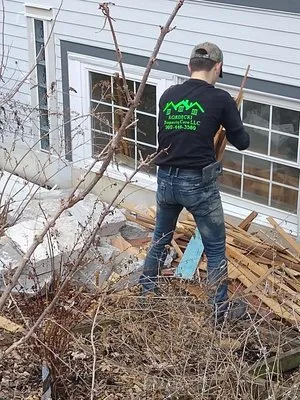
Kordecki Property Care LLC is a trusted local provider serving Twin Lakes and the surrounding area, offering a comprehensive range of services to maintain and enhance your property. From foundational ...
Based in Raymond, WI, AMS Services is your trusted local partner for excavation, landscaping, and construction site preparation. As a full-service general contractor, we specialize in tackling the uni...
Sunrise Lawn and Scape is a trusted landscaping company serving Lake Geneva, WI, and the surrounding areas. We specialize in addressing common local landscaping challenges, particularly poor lawn grad...
Crown Lawn is a trusted, locally-owned lawn care and snow removal service proudly serving Elkhorn and the surrounding Walworth County area. We provide straightforward, reliable services tailored to Wi...

SeñorGreen is a trusted lawn care provider serving the Lake Geneva, WI area. Specializing in comprehensive lawn services, we help local homeowners tackle common regional challenges like stubborn lawn ...
All Scapes is a trusted, locally-owned landscaping and snow removal company serving Burlington, WI, and the surrounding areas. We understand the common challenges Burlington property owners face, part...
Estimated Landscaping Service Costs in Powers Lake, WI
Questions and Answers
Can smart irrigation systems maintain my Kentucky Bluegrass lawn without violating water restrictions?
Smart Wi-Fi soil moisture sensor controllers prevent overwatering by measuring actual soil conditions rather than operating on fixed schedules. These systems maintain Kentucky Bluegrass and Fine Fescue blends at 85-90% of potential evapotranspiration rates, conserving approximately 25% of municipal water compared to traditional timers. During seasonal saturation periods common in Powers Lake, sensors automatically pause irrigation cycles. This technology allows healthy turf maintenance within standard municipal water use parameters while preventing runoff into the high water table.
What solutions address seasonal water saturation in my silt loam yard?
Seasonal saturation in Powers Lake's silt loam requires graded swales directing water away from structures toward permeable areas. Crushed limestone bases under concrete pavers increase infiltration rates to 8-10 inches per hour, meeting Kenosha County Planning & Development runoff standards. French drains with clean stone aggregate placed 18-24 inches below grade intercept groundwater before it reaches the surface. These systems work with the natural high water table rather than against it, preventing soil erosion during spring thaw periods.
Do concrete pavers offer better longevity than wood for Powers Lake hardscapes?
Concrete pavers with polymeric sand joints provide 25+ year durability compared to wood's 8-12 year lifespan in Wisconsin's freeze-thaw cycles. Their non-combustible nature supports the Low Fire Wise Rating for Powers Lake's suburban residential areas by creating defensible space around structures. Crushed limestone bases under pavers allow 90% permeability, reducing runoff during seasonal saturation events. This combination addresses both longevity concerns and environmental regulations while maintaining aesthetic continuity with existing neighborhood hardscape materials.
How quickly can emergency storm cleanup reach my property after severe weather?
Emergency response from the Powers Lake Public Boat Launch area follows WI-50 with peak travel times of 45-60 minutes during major weather events. This accounts for debris clearance and safe navigation through suburban corridors. For HOA compliance issues requiring immediate attention, scheduling during standard municipal hours (8:00 AM - 8:00 PM) ensures timely resolution while adhering to noise ordinances. Electric maintenance fleets now provide quieter early-morning options for time-sensitive landscape corrections.
How do I manage invasive species without violating fertilizer regulations?
Early spring identification of invasive species like garlic mustard or buckthorn allows mechanical removal before seed set, avoiding chemical treatments during phosphorus-free fertilizer application windows. For persistent infestations, targeted spot treatments using glyphosate alternatives maintain compliance with state fertilizer laws. Soil testing every 3 years determines specific nutrient deficiencies rather than blanket applications. This approach prevents invasive establishment while supporting native plant communities through organic amendments rather than synthetic inputs.
Why does my Powers Lake Shoreline lawn struggle with compaction despite regular care?
Properties in Powers Lake Shoreline built around 1986 have 40-year-old soil profiles that show typical silt loam degradation. This soil type naturally compacts over decades, reducing permeability and root penetration below 2 inches. Core aeration every 2-3 years introduces oxygen channels while incorporating composted organic matter improves soil structure. Mature lots here require 0.5-1 inch of organic amendment annually to maintain the pH 6.5-7.2 range that supports healthy turf and native plantings.
What licensing requirements apply to regrading my 0.35-acre Powers Lake property?
Grading work exceeding 100 cubic yards of soil movement on 0.35-acre lots requires a licensed professional holding Wisconsin Department of Safety and Professional Services certification. Kenosha County Planning & Development mandates permits for alterations affecting drainage patterns or adding impervious surfaces beyond 500 square feet. Licensed contractors understand silt loam's compaction characteristics and implement erosion control measures specific to high water table conditions. This ensures compliance with both state licensing requirements and local runoff management standards for shoreline properties.
Should I replace high-maintenance turf with native plants to reduce landscape noise?
Transitioning Kentucky Bluegrass areas to Purple Coneflower, Little Bluestem, Butterfly Milkweed, and Wild Bergamot reduces mowing frequency from weekly to 2-3 times annually. This anticipates 2026 municipal trends restricting gas-powered equipment during expanded quiet hours. Native plant communities require no fertilization beyond initial establishment, aligning with phosphorus-free requirements. These deep-rooted species improve soil structure naturally while providing habitat that supports local biodiversity standards for suburban residential zones.
