Top Landscaping Services in Pacific, WI, 53901 | Compare & Call
There are 119 landscaping companies server in Pacific WI
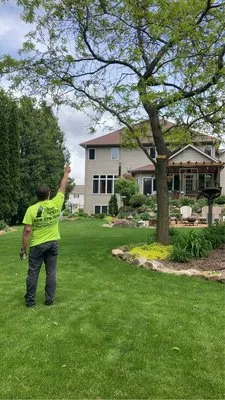
Dane County Tree Company is your Sauk City, WI neighbor for comprehensive property care, specializing in tree services, lawn care, and snow removal. We understand the specific challenges local homeown...
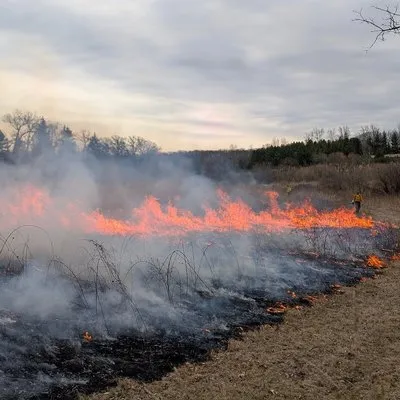
Tim Andrews Horticulturist
Tim Andrews Horticulturist is a licensed, full-service landscape and tree care provider rooted in Mazomanie, Wisconsin. We approach every project, from tree pruning to landscape construction, with the...
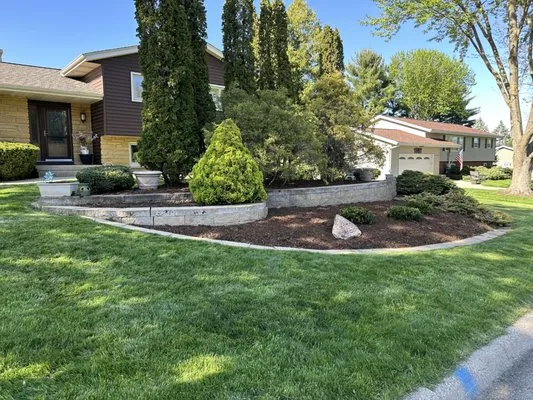
Supreme Klean is a family-owned and operated business proudly serving Sun Prairie and surrounding communities for over 8 years. We specialize in providing professional and efficient cleaning services ...
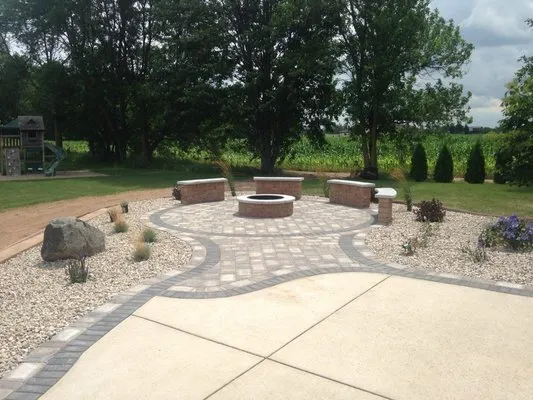
Ruechel Landscape serves Waterloo and the greater Madison area with comprehensive, full-service landscaping solutions. We begin every project with a detailed consultation to understand your vision, wh...
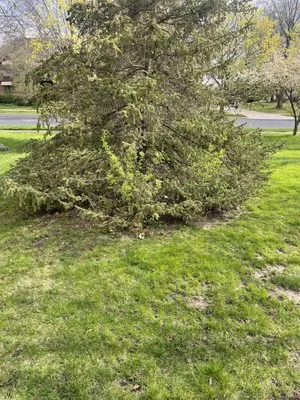
Stroede’s Landscaping and Mowing
Stroede’s Landscaping and Mowing is your trusted, locally-owned lawn and tree care expert in Poynette. We understand the unique challenges Poynette homeowners face, from rock gardens that shift with t...
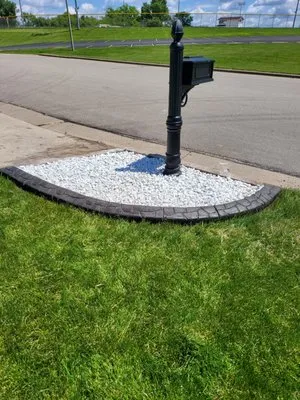
Krafty Kurbs is a trusted landscaping and masonry contractor serving Lone Rock, WI, and the surrounding areas. We specialize in transforming outdoor spaces with expert patio, porch, and greenscape con...
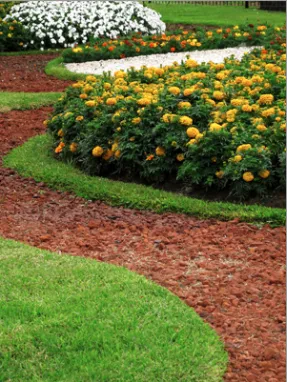
John Flatman Precision Mowing has been a trusted lawn care and landscaping provider in Stoughton and throughout Dane County since 1999. As a family-owned business with over 18 years of experience, we ...
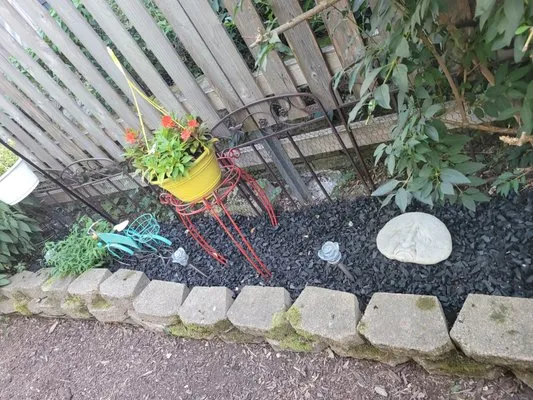
C&E Commercial Residential Services was founded in Madison, WI in 2021 by an owner who saw firsthand the need for reliable, customer-focused home services. After hiring contractors as a project manage...
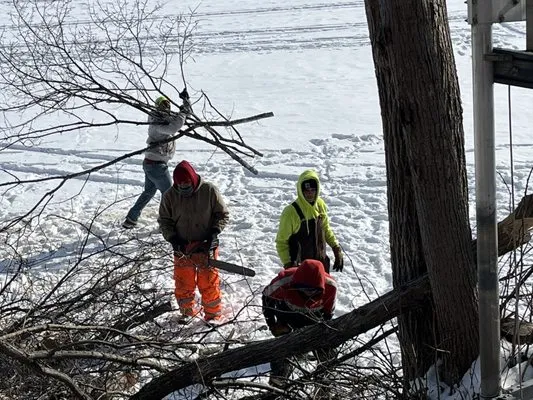
Leo's Landscaping is a full-service Watertown company dedicated to enhancing and protecting local properties. We tackle the area's frequent landscaping challenges, like tree root lawn damage and dying...
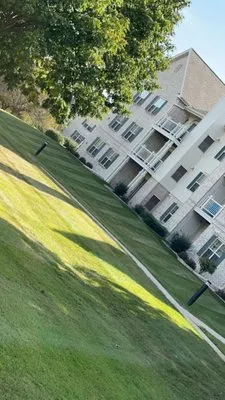
AS Mowing Maintenance and Landscaping is Waterloo, WI's trusted partner for comprehensive outdoor care. We specialize in irrigation design and construction, landscape installation, greenscape construc...
Estimated Landscaping Service Costs in Pacific, WI
Question Answers
How does crushed limestone compare to wood for durable landscaping in Pacific?
Crushed limestone compacted to 95% Proctor density provides 25+ year service life with minimal maintenance, unlike wood structures requiring replacement every 8-12 years in Wisconsin's freeze-thaw cycles. The material's natural permeability (1.5-2.0 inches/hour) reduces runoff volume by 40% compared to solid pavers. For fire-wise considerations in low-risk residential zones, limestone creates defensible space without combustible materials while maintaining soil temperature moderation. Edge restraints prevent lateral spreading while allowing proper drainage through the aggregate matrix.
How quickly can you respond to storm damage for HOA compliance in Pacific?
Emergency cleanup crews dispatch from Pacific Town Hall with I-39 access, maintaining a 45-60 minute response window during peak conditions. This routing prioritizes arterial roads to bypass residential congestion while carrying electric chippers and battery-powered saws that comply with standard daytime noise ordinances. Crews document damage with geotagged photos for insurance claims while securing hazardous limbs. For HOA compliance issues, initial assessment occurs within 24 hours with full remediation scheduled within the current maintenance cycle.
What solutions address spring saturation and frost heave in my yard?
Moderate seasonal frost heave in Pacific's neutral silt loam results from freeze-thaw cycles expanding clay particles. Installing French drains with clean gravel and geotextile fabric at 18-inch depths intercepts subsurface water before saturation occurs. Permeable concrete or crushed limestone hardscapes provide 20-30% void spaces for infiltration, meeting Columbia County Planning and Zoning Department runoff standards. Grading slopes at 2% minimum directs surface flow away from foundations while incorporating rain gardens with Butterfly Milkweed enhances absorption capacity.
How do smart irrigation systems work with Pacific's voluntary water conservation?
Smart soil-moisture sensors measure volumetric water content at root zones, triggering irrigation only when levels drop below 25% field capacity. This ET-based approach reduces water use by 30-50% compared to timer systems while maintaining Kentucky Bluegrass health. Controllers integrate local weather data to skip cycles during rainfall and adjust for seasonal evapotranspiration rates. Despite no mandatory restrictions, this technology aligns with municipal conservation goals by preventing runoff and deep percolation losses common in silt loam soils.
What permits and licenses are needed for grading my 0.35-acre Pacific property?
Columbia County Planning and Zoning Department requires erosion control permits for any grading disturbing over 0.25 acres, mandating silt fencing and stabilization within 7 days of soil exposure. Contractors must hold Wisconsin Department of Safety and Professional Services licensing for excavation work exceeding 12 inches depth or involving engineered fill. On 0.35-acre lots, professional surveying verifies grade changes don't alter drainage patterns affecting adjacent properties. Licensed professionals carry insurance covering subsurface utility strikes and provide engineered solutions for frost heave mitigation in silt loam soils.
Why does my Pacific Heights lawn have drainage issues and compacted soil?
Properties in Pacific Heights were typically built around 1978, giving the soil approximately 48 years of maturation. Neutral silt loam soils in this area naturally compact over decades of foot traffic and maintenance equipment use, reducing permeability to 0.5-1.5 inches per hour. Core aeration every 2-3 years addresses this by creating channels for oxygen and water infiltration. Adding 0.25 inches of compost annually improves soil structure and supports microbial activity, which is particularly beneficial for Kentucky Bluegrass and Fine Fescue mixes common in this neighborhood.
Should I replace high-maintenance turf with native plants in Pacific Heights?
Transitioning 30-50% of turf to native plantings like Butterfly Milkweed, Wild Bergamot, Little Bluestem, and Pale Purple Coneflower reduces mowing frequency by 60% and eliminates gas-powered equipment use ahead of potential noise ordinance changes. These deep-rooted perennials establish mycorrhizal networks that improve soil structure and drought tolerance beyond USDA Zone 4b minimums. Native plantings support 3-5 times more pollinator species than traditional turf while requiring no phosphorus fertilization, aligning with statewide turf fertilizer restrictions.
What invasive species threaten Pacific landscapes and how are they managed?
Garlic mustard and creeping bellflower present primary invasion risks in Columbia County, displacing native understory plants through allelopathic chemicals. Manual removal before seed set in early May prevents spread without violating phosphorus application blackout dates. For persistent infestations, targeted glyphosate applications using wick applicators minimize non-target exposure. Soil testing every 3 years determines specific amendment needs while avoiding prohibited turf fertilizers. Regular monitoring catches new invasions before they establish competitive advantages in neutral pH soils.
