Top Landscaping Services in New Lisbon, WI, 53950 | Compare & Call


Lulich Landscaping, founded by Dave Lulich, has been a trusted name in the New Lisbon and greater Juneau County area since 1997. What began as a side project for the Mauston High School ag teacher gre...
Ever Green Landscaping is a trusted lawn care provider serving New Lisbon, WI, and the surrounding communities. We specialize in addressing the common local landscaping challenges homeowners face, suc...
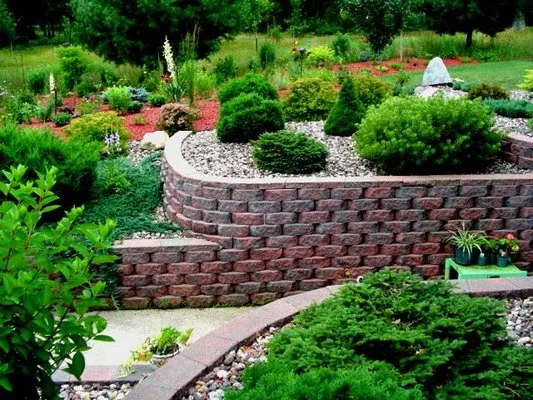
Winding Rivers Landscape & Garden Center
For nearly three decades, Winding Rivers Landscape & Garden Center has been a trusted, family-owned resource for New Lisbon residents. Our passion is helping you create and care for beautiful, resilie...
For over 15 years, G-Line Fence & Landscaping has been a trusted, family-operated provider for homeowners and businesses in New Lisbon, Baraboo, Reedsburg, and the surrounding communities. We speciali...
G's Lawncare Landscaping & Snowplowing is your local, year-round partner in New Lisbon, WI, dedicated to keeping your property looking its best and functioning properly. We understand the common local...

Pete N Rock Mobile RV Services provides reliable RV repair and landscaping solutions directly to your home or campsite in the New Lisbon area. Understanding that your time is valuable, especially when...
Olsen Brothers Professional Service Group
Olsen Brothers Professional Service Group LLC is a trusted construction and landscaping provider based in New Lisbon, Wisconsin, serving the local community and surrounding areas like Hustler Village,...
Appeltree Lawn Care is your trusted local partner for a healthy, resilient lawn in New Lisbon, WI. We understand the common challenges homeowners face, including lawn drought stress and uneven sprinkl...
Q&A
We want to regrade our backyard. What permits or licensed professionals are required?
Regrading a 0.25-acre lot that alters water flow or involves significant cut/fill typically requires a permit from the New Lisbon City Clerk / Zoning Department. Furthermore, Wisconsin law mandates that contractors performing this work hold the proper licensing from the Department of Safety and Professional Services (DSPS). Hiring a DSPS-licensed professional ensures compliance with state codes, protects you from liability, and guarantees the work meets engineering standards for proper drainage and soil stability.
I'm tired of weekly mowing and noisy gas equipment. Are there quieter, lower-maintenance options?
Transitioning to a landscape dominated by native plants like Little Bluestem, Butterfly Milkweed, and Purple Prairie Clover eliminates weekly mowing. These deep-rooted perennials require no fertilization, minimal water once established, and support local pollinators. This shift pre-empts tightening noise ordinances that restrict gas-powered blowers and mowers. The resulting landscape is inherently more resilient and aligns with 2026 biodiversity and carbon sequestration goals.
How can I keep my Kentucky Bluegrass lawn healthy during summer without wasting water?
Under New Lisbon's voluntary conservation standards, efficient irrigation is mandatory. Soil moisture sensor-based controllers are the definitive solution, watering only when the root zone moisture drops below a programmed threshold. This technology can reduce potable water use by 20-40% compared to timer-based systems while preserving turf health. It prevents overwatering, which is critical given the moderate seasonal high water table in the area.
Part of my yard stays soggy for days after rain. What's the best long-term fix?
A seasonal high water table combined with sandy loam's limited permeability creates persistent wet areas. The solution integrates subsurface drainage, like a French drain, with surface grading to direct water away from foundations. For new patios or paths, using permeable crushed limestone or concrete pavers with an open-graded base significantly reduces runoff. These methods often meet the New Lisbon City Clerk's standards for managing on-site stormwater.
I've spotted what looks like Garlic Mustard in my flower beds. How should I handle it?
Garlic Mustard is a high-priority invasive species alert for Zone 4b. Manual removal before seed set in spring is most effective; ensure the entire taproot is extracted. For persistent infestations, a targeted, foliar-applied herbicide labeled for broadleaf weeds can be used. Any treatment must strictly avoid the phosphorus restrictions of Wisconsin Statute 94.643, which prohibits phosphorus application on established turf. Always confirm application dates do not conflict with local blackout periods.
We're building a new patio. Is crushed limestone a good choice compared to wood or solid concrete?
Crushed limestone and concrete pavers offer superior longevity and permeability compared to wood, which decays, or solid concrete, which contributes to runoff. These materials provide a stable, low-maintenance surface that accommodates the freeze-thaw cycles of Zone 4b. For properties concerned with fire resilience, these non-combustible materials also contribute to the defensible space required for a favorable Fire Wise rating, even in a low-risk residential area like New Lisbon.
A major storm just knocked down branches. How quickly can a crew get here for emergency cleanup?
For an emergency cleanup call, a crew can be dispatched from our base near Riverside Park. The primary route uses the I-90/94 interchange for efficient access to the Riverside District. Accounting for peak traffic and on-site assessment, a first-response team typically arrives within the 20-30 minute window. This prioritization ensures safety hazards are addressed promptly to meet HOA or insurance documentation requirements.
My yard's soil seems thin and compacted. Is this just age, or is there a specific reason?
Homes built around 1970, common in the Riverside District, often have soils with over 50 years of maturity. Sandy loam in this area can become severely compacted from decades of routine maintenance, leading to poor percolation and root development. Core aeration is typically required to alleviate compaction, followed by incorporating compost to rebuild organic matter. This process directly addresses the low water and nutrient retention inherent in aged, unamended sandy loam.
