Top Landscaping Services in Nasewaupee, WI, 54235 | Compare & Call
There are 119 landscaping companies server in Nasewaupee WI
Northern Escape Properties is a locally-owned and operated outdoor service provider in Peshtigo, dedicated to maintaining the beauty and safety of your property year-round. We started our business wit...
Bridenhagen Garden Center is your trusted, local source for solving Baileys Harbor's common landscaping challenges. We help homeowners address dead lawn areas and poor lawn grading with expert advice,...
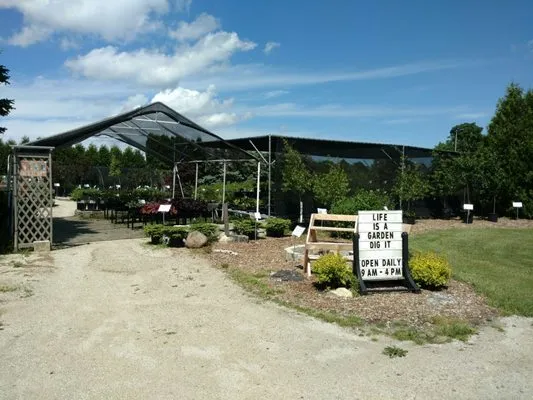
Door Landscape & Nursery
Door Landscape & Nursery is a locally owned and licensed landscaping company that has been serving Egg Harbor and Door County since 2001. We offer a complete range of services from initial design and ...
Jack & Jills Landscaping is a trusted, family-owned landscaping company serving homeowners throughout Baileys Harbor, Wisconsin. We specialize in tackling the common local challenges that can detract ...
Peil Excavating & Landscaping is a trusted, locally-owned business serving Baileys Harbor and Door County. We understand the unique challenges local homeowners face, especially common issues like lawn...

Dave's Tree Service has been a trusted name in Egg Harbor and Door County since 1967, providing comprehensive tree care and landscaping solutions. Founded on Todd's genuine passion for Door County's n...
Portside Property Maintenance is a trusted local landscaping company serving Egg Harbor, WI, and the greater Door County area. We specialize in providing reliable, year-round property care tailored to...
Elite Custom Patio & Hardscapes
Elite Custom Patio & Hardscapes is a Brussels, WI-based design and construction firm specializing in creating beautiful, enduring outdoor spaces. We understand the local challenge of dying shrubs and ...
Salzsieder Nursery
Salzsieder Nursery is a family-owned staple in Forestville, WI, providing expert guidance and quality plants for your landscaping, gardening, and food-growing needs. We understand the unique challenge...
Estimated Landscaping Service Costs in Nasewaupee, WI
Questions and Answers
A storm brought down a large limb. How quickly can a crew arrive for an emergency cleanup?
For emergency storm response in the Idlewild area, our standard dispatch is from our base near Sawyer Harbor Park. Using WI-42/57, our target arrival window is 20-30 minutes during peak hours, provided the route is clear. We prioritize these calls to mitigate immediate safety hazards and can mobilize a crew equipped for chipping and debris removal within the local noise ordinance hours of 7:00 AM to 9:00 PM.
We want to regrade part of our yard. What permits and contractor qualifications should we look for?
On a 0.75-acre lot, significant grading that alters water flow or involves cut/fill exceeding 18 inches typically requires an erosion control permit from the Door County Land Use Services Department. You must hire a contractor licensed by the Wisconsin Department of Safety and Professional Services for excavation work. This ensures they carry the proper liability insurance and understand state codes, protecting you from costly remediation if the work affects neighboring properties or wetland boundaries.
Our yard feels like a hard sponge after it rains. Did older homes in Idlewild have different soil?
Homes built around 1978 in Nasewaupee were constructed on native Kewaunee-Oshkosh Silty Clay Loam. Over nearly 50 years of standard lawn management, this soil has become compacted, losing its natural structure. The high clay content severely reduces percolation, leading to seasonal saturation. Restoring permeability requires core aeration in fall and top-dressing with composted organic matter to rebuild pore space and biological activity.
We have creeping Charlie taking over. How do we treat it without harming the lawn or breaking local rules?
For invasive ground covers like creeping Charlie, a targeted broadleaf herbicide application in early fall is most effective when the plant is actively transporting nutrients to its roots. Crucially, any product used must be phosphorus-free to comply with Wisconsin's statewide ban (WI Stats 94.643) on phosphorus lawn applications. The best long-term defense is cultivating a thick, healthy turf through proper soil pH management (your soil is 6.8-7.2) and overseeding to outcompete weeds.
We want a green lawn but don't want to waste water. What's the best system for our area?
The most efficient approach uses a smart Soil-Moisture Sensor (SMS) controller. It overrides scheduled watering when the Kewaunee-Oshkosh soil profile has adequate moisture, preventing over-irrigation that leads to runoff and fungal issues in your Kentucky Bluegrass blend. While Nasewaupee has no mandatory restrictions, voluntary conservation with an ET-based system reduces municipal water use by 30-50% and promotes deeper root growth for drought resilience.
Our patio area floods every spring. What hardscape solution won't make the pooling worse?
Seasonal saturation is a direct result of the low permeability in your native silty clay loam. Installing a permeable base system with crushed limestone or permeable concrete pavers allows stormwater to infiltrate on-site rather than sheet-flow across your property. This approach often meets the Door County Land Use Services Department's updated runoff standards for new installations and can be integrated with a sub-surface French drain for critical areas.
Is a wooden deck or a stone patio better for longevity and safety here?
For long-term durability and alignment with Door County's Moderate Fire Wise rating, a patio of crushed limestone or permeable pavers is superior. Wood requires consistent sealing and deteriorates, while stone offers a permanent, low-maintenance surface. In a Wildland-Urban Interface (WUI) zone, non-combustible hardscape materials also contribute to defensible space by creating a firebreak, a consideration increasingly factored into property risk assessments.
I'm tired of weekly mowing and gas equipment noise. Are there lower-maintenance options?
Yes. Transitioning perimeter zones to a native plant community using species like Butterfly Milkweed, Little Bluestem, and Pale Purple Coneflower drastically reduces mowing, watering, and chemical inputs. These deep-rooted perennials are adapted to Zone 5a and support local biodiversity. This shift also future-proofs your property against evolving noise ordinances targeting gas-powered blowers and mowers, moving you toward a quieter, electric-maintenance landscape.
