Top Landscaping Services in Mequon, WI, 53092 | Compare & Call
There are 188 landscaping companies server in Mequon WI
Jakes Lawncare is a trusted local lawn service provider serving homeowners throughout Cedarburg, Wisconsin. We specialize in comprehensive lawn care solutions designed to address common local landscap...
Based in Milwaukee, Handy Me is your local, versatile landscaping partner, ready to tackle a wide range of outdoor projects. Owner Kevin operates with a simple, neighborly philosophy: if you have a ne...
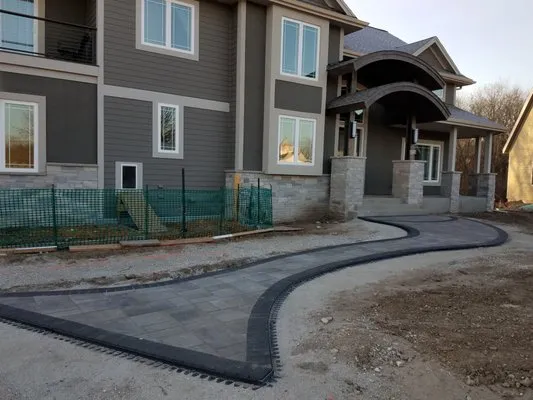
Lake City Landscape
Lake City Landscape in Hartland, WI, is a full-service landscaping and construction company led by Chad Olson, a landscape designer with over two decades of experience. A graduate of the UW-Milwaukee ...
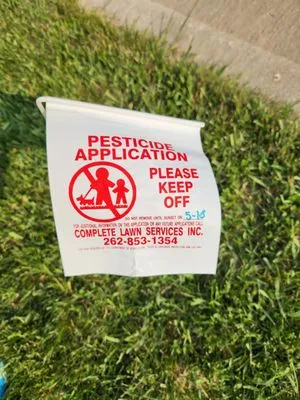
Complete Lawn Services is a trusted, year-round provider for Milwaukee homeowners, specializing in both landscaping and snow removal. We understand the unique challenges of our local climate and soil,...

Green Thumb Eco Care is your local Grafton partner for a healthier, more vibrant property. We specialize in integrated lawn care, pest control, and tree services, all delivered with a commitment to en...

Top Quality Lawn Care is a trusted local service provider in Brown Deer, WI, specializing in both lawn care and junk removal. We understand the common local challenges of weed infestation and bare law...
Love Lawn Care is your dedicated, local lawn care partner serving Fox Point, WI. We specialize in comprehensive lawn care services to directly address the common landscaping challenges homeowners face...
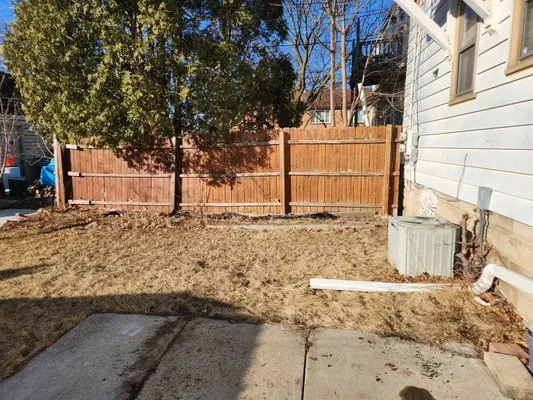
Chambers Multitasking is a trusted Milwaukee lawn service company dedicated to keeping local properties clean and well-maintained. We specialize in tackling the common post-storm challenges and season...
Estimated Landscaping Service Costs in Mequon, WI
Frequently Asked Questions
Why does my lawn seem compacted and struggle to drain, even though it's well-established?
Properties in Mequon Town Center, with homes averaging 43 years old, are built on Mequon-Ozaukee Silt Loam. Over decades, this soil layer compacts under routine maintenance, reducing its permeability. The inherent fine texture of silt loam, combined with a mature landscape's age, leads to poor infiltration and a seasonal high water table. Core aeration and top-dressing with compost are critical to reintroduce pore space and organic matter, countering 40+ years of soil settlement.
My yard holds water every spring. What's a long-term solution that also looks good?
Persistent pooling is characteristic of Mequon-Ozaukee Silt Loam's poor infiltration. A functional solution replaces impermeable surfaces with permeable systems, such as crushed limestone pathways or concrete pavers set on a gravel base. These materials meet Mequon Building Inspection standards for managing stormwater runoff by allowing percolation. Integrating a dry creek bed or rain garden at the drainage point can further direct water away from foundations.
How quickly can a crew respond for an emergency cleanup or to meet an HOA compliance deadline?
For urgent HOA or storm-related work, a dispatch from our staging near Mequon City Hall allows access to I-43 for rapid north-south transit. Accounting for peak traffic, a dedicated crew can typically be on-site within a 20-30 minute window. This routing prioritizes major arterials to bypass local congestion, ensuring timely response for critical property maintenance needs.
Are concrete pavers a better choice than wood for a new patio, considering our climate?
In Mequon's climate, concrete pavers offer superior longevity and lower maintenance compared to wood, which is susceptible to rot and freeze-thaw damage. Pavers provide a stable, non-combustible surface relevant even in our low Fire Wise rating zone, maintaining defensible space. Their modular design allows for frost-heave adjustment and permeability when installed correctly, creating a durable, climate-adaptive hardscape.
Why is professional licensing so important for regrading or installing drainage on a large lot?
On a 1.5-acre property, grading work alters significant water flow and can impact neighboring parcels. The Wisconsin Department of Safety and Professional Services licenses landscape architects and contractors to ensure understanding of soil mechanics, hydrology, and state codes. The Mequon Building Inspection & Planning Department often requires permits for such work to verify it complies with erosion control and stormwater management ordinances, protecting both the site and the local watershed.
I want to reduce mowing and gas equipment noise. What are my options?
Transitioning high-maintenance turf areas to a planting of native species like Purple Coneflower, Butterfly Milkweed, and Little Bluestem significantly cuts recurring labor. These deep-rooted plants require no mowing, minimal watering once established, and provide critical habitat. This shift preemptively addresses evolving noise ordinances by reducing reliance on gas-powered blowers and mowers, creating a resilient, low-input landscape aligned with 2026 biodiversity standards.
Is it possible to maintain a healthy lawn under Mequon's voluntary water conservation guidelines?
Absolutely. Smart Wi-Fi ET-based irrigation systems are calibrated for our USDA Zone 5b climate, applying water only when evapotranspiration data indicates plant need. This technology directly supports voluntary conservation by preventing overwatering, which is common with timer-based systems. It precisely hydrates Kentucky Bluegrass and Fine Fescue mixes, maintaining turf health while staying well within municipal water use expectations and adapting to daily weather shifts.
What should I do if I spot invasive species like garlic mustard or buckthorn on my property?
Early identification and manual removal are most effective for common invasives. For larger infestations, targeted herbicide application by a licensed professional is necessary, timed outside of peak growing seasons to protect natives. All treatments must use phosphorus-free fertilizers and chemicals as required by Wisconsin state law. A long-term soil health plan, including fostering native plant communities, is the best defense against re-establishment.
