Top Landscaping Services in McFarland, WI, 53558 | Compare & Call
There are 202 landscaping companies server in Mcfarland WI

Midwest Custom Curbing, a division of Johnson Lawncare and Landscaping, serves Oregon and the Greater Dane County area with durable, decorative concrete landscape borders. We specialize in creating cu...

Jackson's Yard Care has been a trusted name in Sun Prairie and Dane County since 2009. Founded by Action Jackson and his family, the business was inspired by a simple mission: to help neighbors who ar...
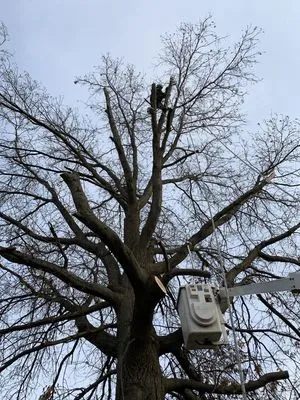
Beaver Bros Tree and Landscaping
Beaver Bros Tree and Landscaping brings over 20 years of professional experience to Sun Prairie, combining smart planning with dedicated hard work to deliver high-caliber results. Safety is our top pr...
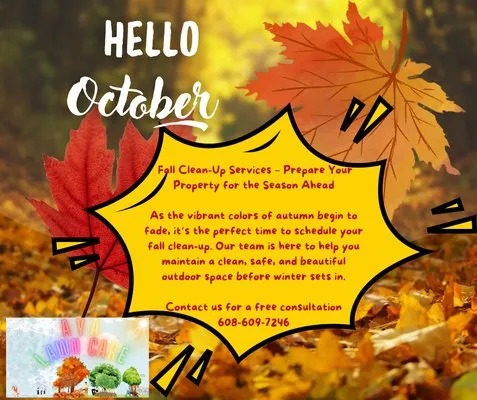
AYA Lawn Care & Snow Removal is a Sun Prairie-based, family-owned business dedicated to protecting and enhancing your property year-round. We understand the local challenges homeowners face, from land...
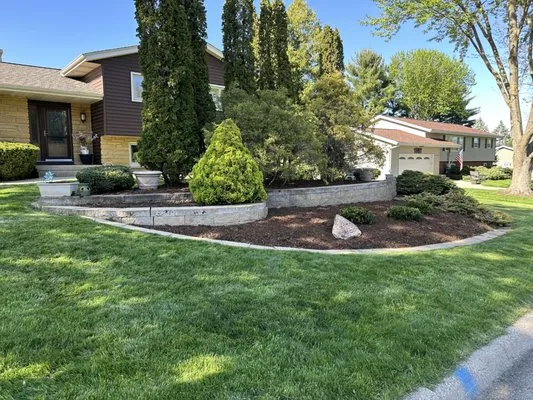
Supreme Klean is a family-owned and operated business proudly serving Sun Prairie and surrounding communities for over 8 years. We specialize in providing professional and efficient cleaning services ...
Coughlin Enterprises, Inc. began as a one-person operation over 25 years ago and has grown into a trusted Sun Prairie business with a dedicated team. We specialize in providing reliable landscape and ...
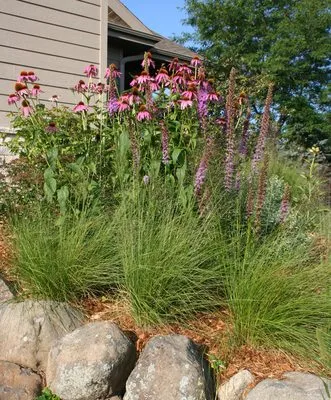
Formecology, based in Evansville, WI, is a sustainable landscape design, build, and care firm led by licensed landscape architect John J Gishnock III. With over 27 years of combined industry experienc...
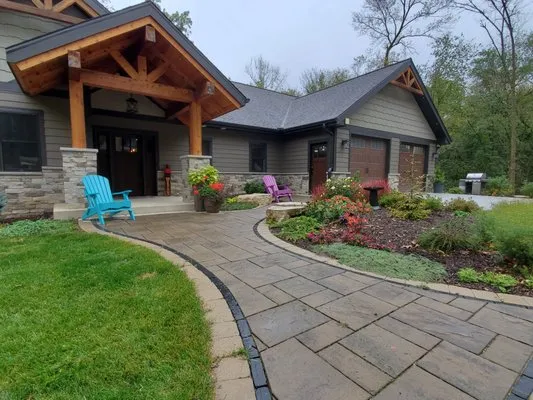
Sunnyside Landscapes is a design-build company founded in 2023, serving Verona and all of Dane County. While newly established, the team brings over three decades of combined professional landscaping ...
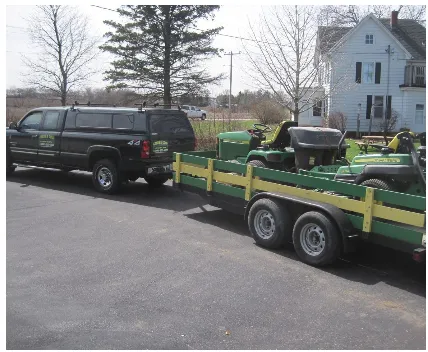
Green & Gold Lawn Care is a family-owned lawn service business serving Mayville, Wisconsin, with over 25 years of experience. Specializing in comprehensive lawn care, including fertilizing, weed contr...
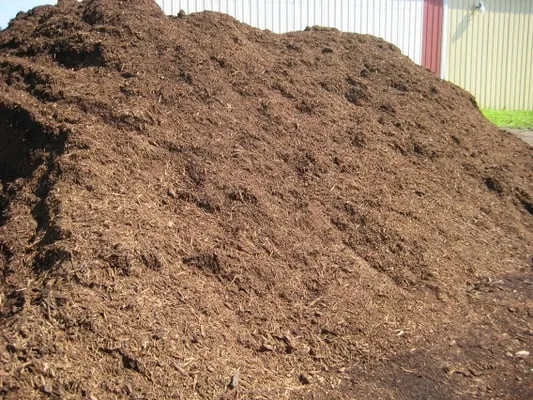
Ace Mulches is a family-owned and operated landscaping business serving Madison, WI, since 1986. With deep roots in the community, we specialize in providing natural mulches, decorative mulches, and p...
Estimated Landscaping Service Costs in McFarland, WI
Common Questions
How can we keep our Kentucky Bluegrass lawn healthy during dry spells without wasting water?
Wi-Fi ET-based irrigation controllers are the standard for efficient watering in McFarland. These systems adjust runtime daily based on local evapotranspiration data, weather forecasts, and soil type, applying only the necessary water to maintain the Bluegrass and Fescue mix. This technology is key to adhering to the village's voluntary conservation stance, as it prevents overwatering and aligns precisely with the turf's actual needs, keeping usage well within responsible limits.
We want to reduce mowing and gas equipment noise. What are our options?
Transitioning lawn areas to planted beds featuring native species like Purple Coneflower, Little Bluestem, and Wild Columbine significantly reduces maintenance. These deep-rooted plants require no weekly mowing, minimal watering once established, and support local pollinators. This shift also future-proofs your property against evolving noise ordinances targeting gas-powered blowers and mowers, aligning with a move toward quieter, electric maintenance fleets.
Water pools in our yard for days after rain. What's a long-term solution?
Prolonged pooling indicates the high-clay subsoil characteristic of the area's silt loam is hindering infiltration. A functional solution involves installing subsurface drainage channels to redirect water, coupled with replacing solid surfaces with permeable materials like crushed limestone or specific concrete pavers. These adaptations increase ground permeability and can help manage runoff volumes to meet McFarland Planning & Zoning Department standards for stormwater management.
A storm damaged several trees on our street. What's the typical response time for emergency cleanup?
For urgent situations like storm debris blocking access or posing safety hazards, a crew can be dispatched from a central staging area like William McFarland Park. Using US-51 / I-39 for access, the target arrival window during peak demand is 20 to 30 minutes. This prioritizes clearing driveways and public rights-of-way to restore safety and comply with any immediate village directives, with follow-up for full debris processing scheduled thereafter.
Is a paver patio or a wood deck better for longevity and safety here?
Concrete pavers offer superior longevity and require less maintenance than wood in Wisconsin's freeze-thaw cycles. From a safety perspective, pavers or crushed limestone provide a non-combustible, defensible space immediately around the home. While McFarland's Fire Wise rating is Low, using inorganic hardscape materials enhances this defensive perimeter, a prudent consideration for any urban-suburban interface area.
Our lawn struggles despite regular care. Could the soil itself be the problem?
Properties in McFarland Village Center, with an average construction date around 1987, have nearly 40-year-old soils. The native Mollisols silt loam was likely compacted during building and has since developed a dense, high-clay subsoil layer from decades of standard maintenance. This severely restricts root growth and water percolation. Restoring health requires core aeration to alleviate compaction and incorporating compost to rebuild organic matter, directly addressing the slow infiltration common in these established lots.
Do we need a permit to regrade our backyard for better drainage?
Significant regrading on a 0.28-acre lot typically requires a permit from the McFarland Planning & Zoning Department to ensure compliance with erosion control and stormwater ordinances. Furthermore, this work must be performed by or under the supervision of a professional licensed by the Wisconsin Department of Safety and Professional Services, as it involves altering the land's contour and drainage patterns, which can impact adjacent properties.
We've spotted Creeping Charlie and Crabgrass. How do we treat them correctly?
For Creeping Charlie, a selective post-emergent herbicide applied in fall is most effective. Crabgrass is best prevented with a pre-emergent in early spring. Any fertilizer application, particularly for lawn areas, must follow Wisconsin's Phosphorus Fertilizer Law, which prohibits phosphorus unless a certified soil test confirms a deficiency. This ensures treatments target the invasive species without contributing to nutrient runoff into local waterways.
