Top Landscaping Services in Mazomanie, WI, 53560 | Compare & Call
There are 128 landscaping companies server in Mazomanie WI
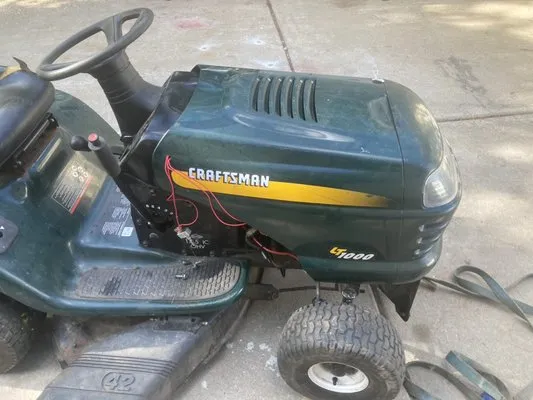
Do All in Arena, WI, is your trusted local partner for landscaping, tree services, and auto repair, serving the community with comprehensive solutions tailored to the area's unique needs. We specializ...
Good Oak Ecological Services
Good Oak Ecological Services is a Madison-based ecological restoration and landscaping company founded by Frank, who brings over fifteen years of professional and volunteer experience in ecology and b...
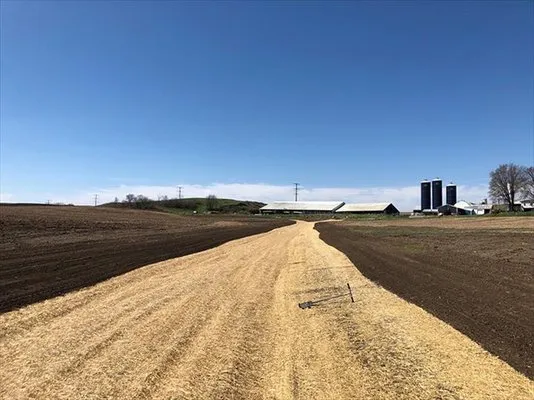
CB Silt Fence LLC, based in Lodi, WI, is a trusted local landscaping company serving Columbia, Dane, Sauk, Dodge, and Richland counties. We specialize in erosion control solutions, commercial landscap...
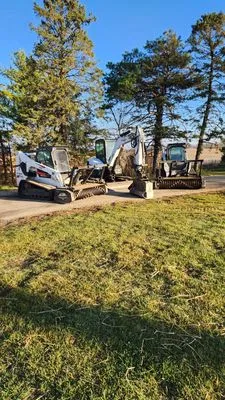
Tim Post Services is a family-owned and operated business based in Mount Horeb, WI, with over 20 years of dedicated experience serving the local community and beyond. Starting as a specialized provide...
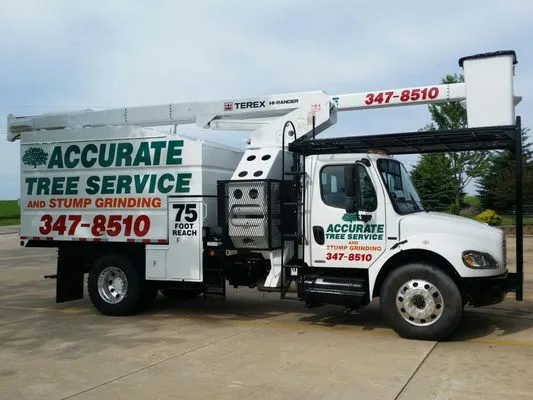
Accurate Tree Service is a fully licensed and insured tree care company that has been serving the Greater Madison area and Dane County since 1985. Based in Verona, WI, they provide comprehensive servi...
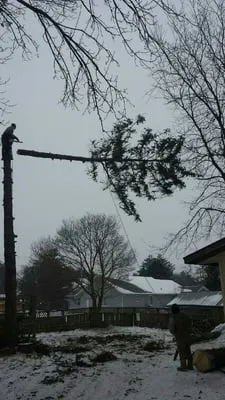
Sauk County Tree Care is a trusted Middleton-based provider of comprehensive outdoor services, specializing in tree care, landscaping, and snow removal. We help local homeowners and businesses maintai...
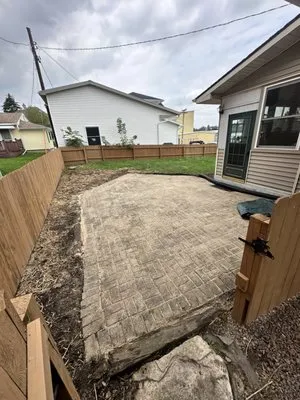
YD Exterior Visions
YD Exterior Visions is a Monticello-based landscaping and hardscaping company founded by Jonah L. to provide reliable, high-quality outdoor solutions for homeowners in Madison, WI and surrounding comm...
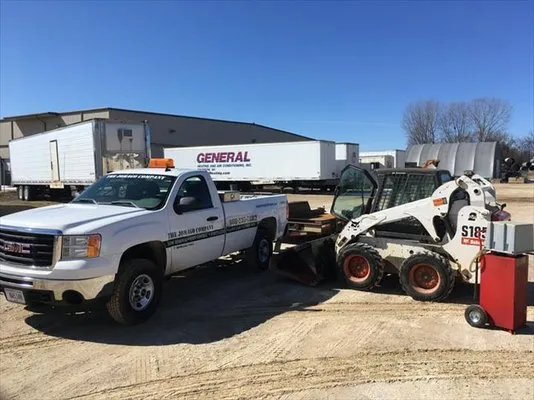
The Jomago Company
The Jomago Company is a state-licensed landscaping and property care specialist serving the Evansville community and surrounding areas. Established in 2015, we bring over 30 years of combined industry...

Best Lawn Service is a family-owned and operated turf management company proudly serving Waunakee and the greater Madison area since 2001. We specialize in professional lawn care and snow removal, off...
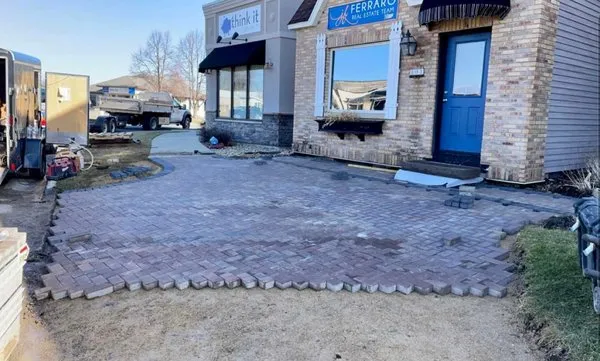
All-Tim-It Landscaping, L.L.C. has been a trusted Waunakee-based resource for homeowners and businesses since 2004. Serving Waunakee, Madison, and surrounding communities, we provide reliable, year-ro...
Estimated Landscaping Service Costs in Mazomanie, WI
Question Answers
Can I reduce maintenance while supporting local pollinators?
Replacing high-maintenance turf with native plantings like Purple Coneflower and Little Bluestem creates drought-resistant landscapes. These species require minimal watering once established and provide habitat for declining pollinator populations. Electric maintenance equipment operates quietly within noise ordinance hours while eliminating emissions. Reduced mowing frequency decreases fuel consumption and supports 2026 biodiversity targets.
How do I control invasive species without chemical runoff concerns?
Early detection of invasive plants like garlic mustard prevents establishment in native ecosystems. Manual removal before seed set proves most effective for small infestations. Spot treatments with EPA-approved herbicides follow Wisconsin's phosphorus ban guidelines, avoiding application before forecasted rainfall. Soil testing determines specific nutrient deficiencies rather than blanket fertilization approaches.
How quickly can you respond to storm damage for HOA compliance?
Emergency cleanup crews dispatch from Mordechai Park via US Highway 14, arriving within 45-60 minutes during peak conditions. We prioritize safety assessments before debris removal, coordinating with local utilities when necessary. All equipment meets current noise ordinance restrictions for operation between 7:00 AM and 9:00 PM. Documentation for insurance or HOA requirements is provided upon completion.
Why choose limestone over wood for patio materials in Mazomanie?
Local dolomite limestone pavers offer superior longevity with minimal maintenance compared to wood alternatives. Their non-combustible nature supports Moderate Fire Wise ratings by creating defensible space around structures. Proper installation with polymeric sand joints prevents weed growth while allowing thermal expansion. Limestone's natural thermal mass moderates temperature extremes in outdoor living spaces.
What solutions exist for seasonal water table issues in my yard?
Silt loam soils in Mazomanie exhibit poor infiltration during spring thaw periods. Installing French drains with clean gravel and perforated pipe redirects subsurface water away from foundations. Permeable dolomite limestone pavers meet Village runoff standards by allowing water penetration through joints filled with angular stone. Grading adjustments of 2% slope ensure proper surface water movement toward designated drainage areas.
Why does my Mazomanie lawn have drainage issues and compacted soil?
Downtown Mazomanie properties average 47 years of development, creating mature silt loam soil with reduced permeability. This soil type naturally compacts over decades, restricting water infiltration and root development. Core aeration with organic amendments like compost improves soil structure by increasing pore space. Regular soil testing confirms pH remains in the optimal 6.5-7.2 range for nutrient availability.
What permits and licenses are required for landscape grading work?
The Village of Mazomanie Building & Zoning Department requires grading permits for any earth movement exceeding 50 cubic yards on 0.25-acre lots. Contractors must hold Wisconsin Department of Safety and Professional Services licensing for excavation and drainage work. Erosion control plans demonstrating sediment containment are mandatory during construction. Final inspections verify proper slope stabilization and compliance with municipal runoff regulations.
How do I maintain my Kentucky Bluegrass lawn without wasting water?
Smart Wi-Fi ET-based controllers calculate evapotranspiration rates to deliver precise irrigation volumes. These systems adjust watering schedules based on real-time weather data, preventing overwatering during rainfall events. Mazomanie's standard conservation guidelines are easily maintained through zone-specific programming. This approach preserves turf health while reducing municipal water consumption by 30-40% compared to traditional timers.
