Top Landscaping Services in Lomira, WI, 53048 | Compare & Call

There are 64 landscaping companies server in Lomira WI
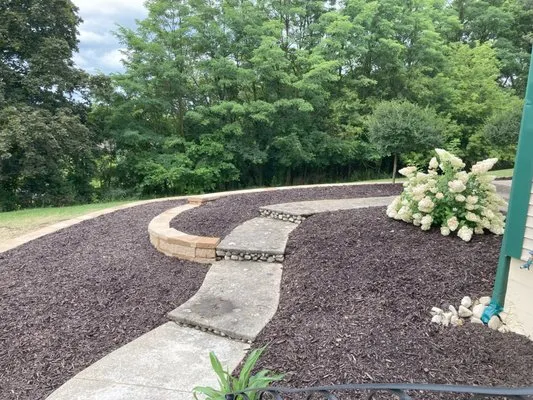
Ala Landscaping is a Byron-based, family-owned and operated landscaping and tree service company with over 15 years of dedicated experience serving the local community. We specialize in enhancing both...
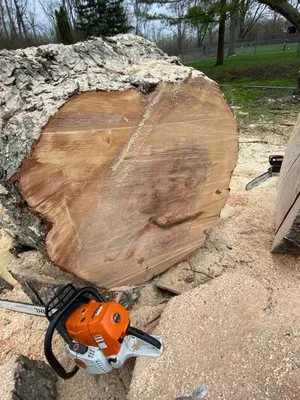
Your Friendly Neighbor Landscaping & Tree Service
Your Friendly Neighbor Landscaping & Tree Service started as a small, dedicated team and has grown into a trusted Milwaukee resource by focusing on reliability and value for every residential and comm...
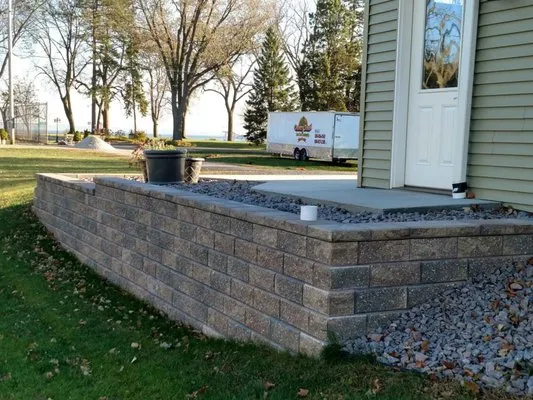
Country Touch Landscaping & Lawn Care
Country Touch Landscaping & Lawn Care has been a trusted provider in Rosendale, WI, and the surrounding Fond du Lac area since 1999. As a fully licensed and insured business, we specialize in comprehe...
Jennifer James Landscape Management
Jennifer James Landscape Management is a West Bend-based company built on decades of hands-on experience in the local landscape industry. We founded our service on the principle of knowledgeable teamw...
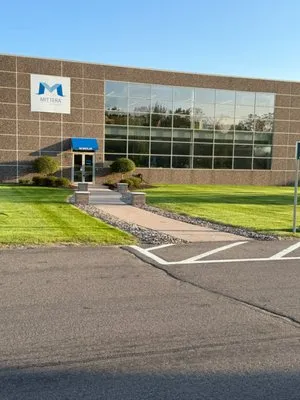
For over 35 years, Duane's Lawn Care has been the trusted, family-owned choice for Oak Creek residents and businesses seeking reliable outdoor care. We provide a comprehensive range of services to kee...
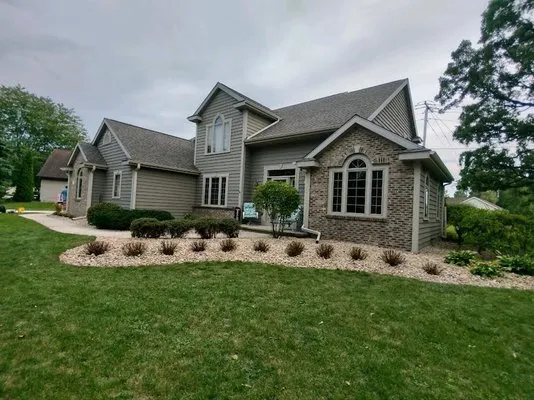
TW Landscape is a full-service landscaping company serving Campbellsport, WI, and the surrounding areas. We specialize in transforming outdoor spaces with comprehensive services including landscape de...

Wallace Construction and Landscape
Wallace Construction and Landscape LLC is your Milwaukee-based partner for transforming properties and solving common local challenges. Our team combines construction expertise with specialized landsc...
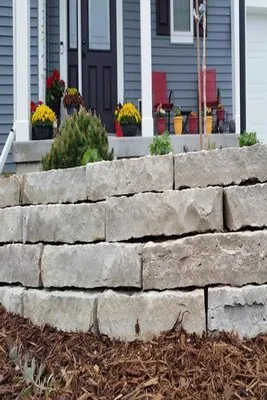
Earthscapes, Inc. is a trusted, locally-owned landscaping and lawn care company serving Marshall, WI, and the surrounding communities of Waterloo, Cambridge, Lake Mills, and Watertown since 1993. As a...
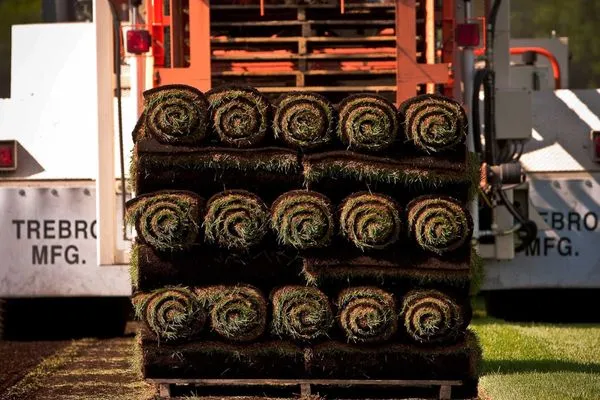
Skalitzky Sod Farms, L.L.C. has been Waterloo's trusted source for premium turf and landscaping supplies since 1998. As a family-owned sod farm, we specialize in high-quality Kentucky Bluegrass sod, a...
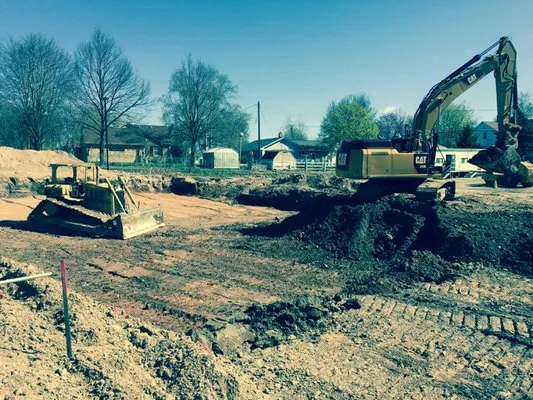
Forest Landscaping & Construction
Forest Landscaping & Construction, Inc. has been a cornerstone of the Lake Mills, WI community since 1992, providing reliable excavating, construction, and landscaping services across Jefferson, Dodge...
Estimated Landscaping Service Costs in Lomira, WI
FAQs
We're tired of weekly mowing and gas equipment noise - what lower-maintenance alternatives work in our climate?
Transitioning high-maintenance turf to native plantings like Purple Coneflower, Little Bluestem, Swamp Milkweed, and Wild Bergamot reduces mowing frequency from weekly to seasonal maintenance. These species require minimal irrigation once established and support local pollinator populations. Electric maintenance equipment operates quietly within Lomira's 8:00 AM to 8:00 PM noise ordinance while eliminating emissions. The transition aligns with 2026 biodiversity standards and creates habitat corridors connecting to natural areas beyond Sterr Park.
Water pools in our backyard for days after heavy rain - what solutions work with Lomira's clay pockets and high water table?
Seasonal high water tables combined with clay pockets in silt loam soils create poor infiltration zones that require engineered drainage solutions. French drains with proper grading direct water away from structures while dry wells capture excess runoff for gradual percolation. Crushed dolomite limestone hardscapes provide permeability that meets Village of Lomira Building & Zoning Department runoff standards. These materials allow 40-50% faster infiltration than compacted soils while maintaining structural integrity during freeze-thaw cycles common in Zone 5b.
Should we use wood or stone for our new patio considering Lomira's climate and maintenance requirements?
Crushed dolomite limestone outperforms wood in Zone 5b due to superior freeze-thaw resistance and minimal maintenance requirements. This material provides 25-30 year longevity compared to wood's 10-15 year lifespan in Wisconsin's climate. The moderate Fire Wise rating indicates crushed stone creates defensible space without combustible materials near structures. Properly compacted dolomite limestone maintains permeability for stormwater management while offering stable footing during winter months when wood becomes slippery and requires salt applications.
How can we maintain our Kentucky Bluegrass lawn during dry spells without violating water conservation guidelines?
Soil-moisture sensor bypass controllers prevent irrigation when precipitation or soil conditions provide adequate moisture, reducing water use by 30-50% compared to traditional timers. These systems monitor actual soil conditions rather than operating on fixed schedules, ensuring Kentucky Bluegrass and Fine Fescue receive water only during genuine drought stress. Lomira's voluntary conservation status allows flexibility, but ET-based irrigation programming aligns with municipal water management goals. Properly calibrated sensors account for the silt loam's water retention characteristics while preventing overwatering that exacerbates drainage issues.
What permits and qualifications should we verify before hiring someone for grading and drainage work on our quarter-acre lot?
The Village of Lomira Building & Zoning Department requires permits for any grading that alters water flow patterns or involves more than 50 cubic yards of soil movement. Contractors must hold Wisconsin Department of Safety and Professional Services licensing for excavation and drainage work. On 0.25-acre lots, improper grading can create runoff issues affecting neighboring properties, making professional certification essential. Licensed professionals understand Lomira's specific requirements for silt loam soil management and seasonal high water table considerations during excavation.
We need emergency storm cleanup before our HOA inspection tomorrow - can you respond quickly to Lomira Heights?
Emergency response from Sterr Park via I-41 to Lomira Heights typically requires 20-30 minutes during peak conditions. Our electric maintenance fleet operates within the 8:00 AM to 8:00 PM noise ordinance window while providing sufficient power for debris removal. We prioritize routes that avoid I-41 congestion during morning and evening commutes. The 0.25-acre lot size allows for efficient deployment of compact electric equipment that meets both HOA standards and municipal noise regulations.
We've spotted garlic mustard spreading from wooded areas - how do we control invasives without chemical runoff concerns?
Garlic mustard requires manual removal before seed set in early spring, with roots completely extracted to prevent regrowth. Mechanical control methods avoid phosphorus-containing fertilizer restrictions while protecting Lomira's waterways from chemical runoff. For persistent infestations, targeted spot treatments using glyphosate alternatives applied during dry conditions prevent soil contamination. Regular monitoring of woodland edges and prompt removal of new invaders maintains ecological balance without violating Wisconsin's phosphorus ban for lawns.
Our Lomira Heights yard has been struggling since we moved in - why does the soil seem so compacted and lifeless?
Lomira Heights properties built around 1992 have 34-year-old soil systems that have experienced decades of compaction from construction equipment and routine maintenance. The silt loam soil common in this neighborhood naturally tends to compact over time, reducing permeability and oxygen availability to root zones. Core aeration every 2-3 years combined with organic amendments like composted leaf mold addresses this by improving soil structure and microbial activity. The pH range of 6.8-7.2 indicates adequate nutrient availability, but physical soil health requires deliberate intervention after three decades of use.
