Top Landscaping Services in Little Falls, WI, 54620 | Compare & Call
There are 108 landscaping companies server in Little Falls WI
Wally's Wares is a trusted local service provider in La Crosse, WI, specializing in junk removal, hauling, moving, and lawn services. We help La Crosse residents and businesses manage waste efficientl...
Pest Badger is your local, trusted partner for pest control, wildlife removal, and lawn services in La Crosse, WI. We understand the unique challenges of our area, including how shifting rock gardens ...

Outdoor Service in West Salem, WI is a licensed outdoor services company dedicated to enhancing and maintaining the outdoor spaces of West Salem residents and businesses. Specializing in comprehensive...
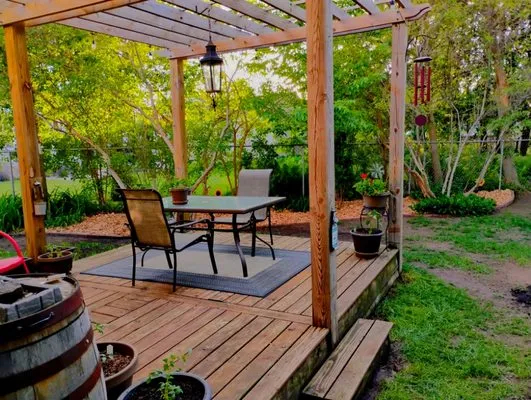
Hard Rock Landscaping is your local, trusted partner for lawn and property care in La Crosse, WI. We are a team that believes in the value of a well-maintained yard and the pride it brings to our comm...
Nick's Lawn Care & Snow Removal is a trusted, locally-owned and insured service provider in La Crosse, WI. We focus on making property maintenance easier for our neighbors by offering reliable residen...
Joe's Lawn Service in La Crosse, WI, provides reliable lawn care and expert landscape design for local homeowners. We understand the unique challenges of maintaining a healthy lawn in our area, includ...
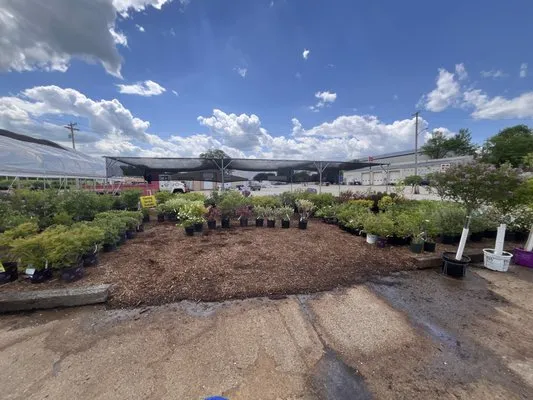
New Era Nursery
Nestled in the scenic Kickapoo River Valley, New Era Nursery serves the Hillsboro, LaFarge, and Ontario communities from its country greenhouse. Our mission is to be 'Beyond All Expectations,' providi...

Lawn Doctor in La Crosse, WI is your local partner for a healthy, beautiful outdoor space. We combine expertise in lawn care, tree services, and pest control to address the specific needs of our commu...
Brothers Lawn Care
Brothers Lawn Care is a family-owned landscaping company proudly serving Holmen and the greater La Crosse area since 2017. Founded by two brothers, our mission is to provide reliable, high-quality ser...
Rednex Lawn Care is your trusted, locally-owned lawn service provider in Onalaska, WI. We specialize in comprehensive lawn care to keep your property healthy and beautiful throughout the seasons. We u...
Estimated Landscaping Service Costs in Little Falls, WI
Questions and Answers
We've spotted what looks like Garlic Mustard invading a garden bed. How should we handle it without using banned fertilizers?
Garlic Mustard is a high-priority invasive in Wisconsin that must be managed before it sets seed in early summer. Manual removal, ensuring the entire taproot is extracted, is the most effective immediate treatment for small infestations. The statewide Phosphorus Ban on turf fertilizer is irrelevant here, as the goal is eradication, not nourishment. For larger areas, a targeted, licensed application of glyphosate in fall when natives are dormant may be necessary, always following label instructions.
Our lawn seems thin and struggles with weeds. Is this just normal for a Little Falls home built in the late 70s?
This is a common legacy issue for lots in the Little Falls Residential Core, where 1978-era construction compacted the native slightly acidic sandy loam. Nearly 50 years of foot traffic and conventional mowing have degraded soil structure, reducing permeability and organic matter. Core aeration and top-dressing with compost are critical to reintroduce pore space and biology, moving the soil beyond this immature state. Without this intervention, the soil cannot properly support a dense root system, leaving it vulnerable to invasion.
How can we keep our Kentucky Bluegrass healthy without wasting water, especially since there aren't official restrictions?
Smart Wi-Fi soil-moisture sensing is the operational standard for conserving water while preserving turf health. These systems apply water based on actual evapotranspiration (ET) and root zone saturation, not a fixed schedule, preventing overwatering. This technology is particularly effective on sandy loam, which has fast percolation, ensuring water infiltrates deeply to encourage drought-resistant roots. It represents a proactive conservation practice that aligns with municipal water stewardship goals.
We're tired of weekly mowing and gas equipment noise. What's a quieter, lower-maintenance alternative to our traditional lawn?
Transitioning high-maintenance turf to a native matrix of Little Bluestem, Purple Coneflower, Wild Bergamot, and Prairie Dropseed significantly reduces input needs. This xeriscape requires minimal mowing, eliminates fertilizer inputs, and supports local pollinators. As municipal noise ordinances evolve to restrict gas-powered blowers and mowers, an established native planting future-proofs your property. The deep root systems of these plants also improve soil structure and drought resilience.
We want to regrade part of our 0.35-acre yard. Do we need a permit, and what should we verify about the contractor?
Regrading that alters water flow or involves significant cut/fill typically requires a permit from the Jackson County Zoning & Planning Department. For a lot of this size, earthmoving must be carefully engineered to prevent off-site runoff or drainage issues. Any contractor performing this work must hold relevant licensing through the Wisconsin Department of Safety and Professional Services, such as a Dwelling Contractor Qualifier license, to ensure adherence to state codes and proper site engineering.
Is local granite or pressure-treated wood better for a new patio that needs to last and be fire-safe?
Local granite is superior for longevity, permeability, and fire defense. It is a non-combustible material that contributes to defensible space in Little Falls's Moderate Wildland-Urban Interface rating zone. Compared to wood, which decays and requires chemical treatments, granite settles permanently with minimal maintenance. When set with permeable jointing, granite patios manage stormwater effectively, complementing the sandy loam's natural drainage profile.
We have persistent soggy spots and frost heave damage on our walkways every spring. What's the underlying cause?
The seasonal high water table interacting with your slightly acidic sandy loam is the primary driver. While sandy soil drains quickly, a shallow impermeable layer or compaction can trap water, leading to surface saturation and destructive freeze-thaw cycles. Re-grading with appropriate slope and installing subsurface French drains are standard corrections. Using permeable concrete pavers for any new hardscape also meets Jackson County Zoning runoff standards by allowing infiltration.
We need an emergency cleanup after a storm to meet HOA bylaws. What's the fastest dispatch from the Town Hall area?
Emergency response from a crew staged near the Little Falls Town Hall utilizes WI-27 for direct arterial access, targeting a 20-30 minute arrival during peak conditions. The protocol prioritizes debris clearing from public right-of-ways and securing downed limbs to restore safety and compliance. This routing is optimized for the Residential Core's grid, balancing speed with the need to navigate post-storm obstacles efficiently.
