Top Landscaping Services in Little Chute, WI, 54130 | Compare & Call
There are 184 landscaping companies server in Little Chute WI
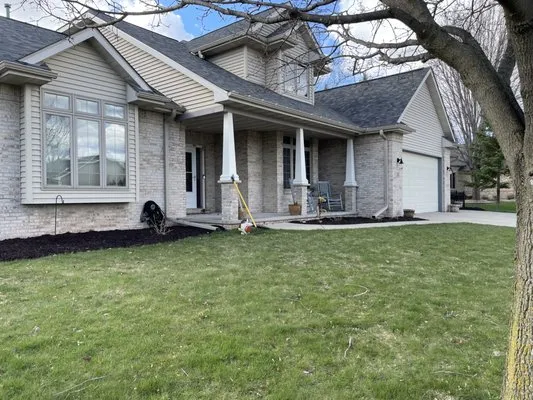
Baythorn Freelancing Services is a landscaping company based in Appleton, WI, dedicated to enhancing outdoor spaces with practical, reliable solutions. We focus on understanding each client's unique n...
Founded in 1959, Frank David J Landscape Contracting has grown from a family-run operation into Wisconsin's largest landscape contractor, all while maintaining its deep roots in Kaukauna. For over six...
Roy Knott Trucking
Roy Knott Trucking is a trusted, family-owned Kaukauna contractor specializing in demolition, excavation, and lawn services. We help Fox Valley homeowners and businesses tackle tough projects, from re...
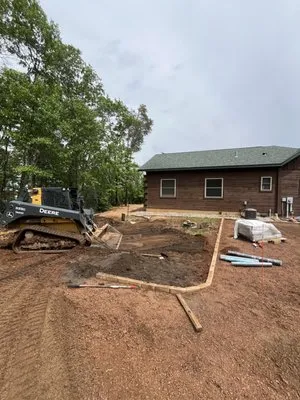
MP Tree Service & Landscaping is a Shawano-based, full-service contractor that transforms properties throughout the area. We specialize in creating durable and attractive outdoor living spaces, from c...
Estimated Landscaping Service Costs in Little Chute, WI
Common Questions
Do we need a permit to regrade our backyard for better drainage?
Yes. Regrading that alters water flow or involves significant earth movement typically requires a permit from the Little Chute Building Inspection Department. On a 0.22-acre lot, such work must be performed by or under the supervision of a licensed professional. The Wisconsin Department of Safety and Professional Services licenses landscape architects and contractors, ensuring they understand soil mechanics and local code to prevent property damage or drainage violations.
Our yard feels compacted and water pools in spring. Is this just the soil settling?
Properties in the Heritage Trail District, built around 1984, have soils that are now 42 years old. The Kewaunee-Manawa Silt Loam common here develops a dense, impermeable layer over decades due to mowing and foot traffic. Its high clay content reduces percolation, leading to the seasonal ponding you observe. Core aeration and incorporating composted organic matter are necessary to rebuild soil structure and improve permeability for healthy root growth.
Should we use wood or concrete for a new patio and path?
Concrete pavers offer superior longevity and minimal maintenance compared to wood, which decays and requires sealing. In Little Chute's Low Fire Wise rating urban interface, non-combustible hardscape materials like pavers or crushed limestone also contribute to defensible space by creating a fuel break. Their permeability, when installed correctly, manages runoff more effectively than solid surfaces on clay-heavy lots.
We want a lower-maintenance, eco-friendly yard. What are our options?
Transitioning high-input turf to a climate-adaptive xeriscape with native plants like Prairie Dropseed, Purple Coneflower, and Wild Bergamot significantly reduces water, mowing, and chemical needs. This establishes a resilient ecosystem that supports local biodiversity. Proactively adopting electric maintenance equipment also future-proofs your property against evolving noise ordinances targeting gas-powered blowers and mowers.
How can we keep our Kentucky Bluegrass lawn green without wasting water?
Smart Wi-Fi soil moisture sensors provide an ET-based irrigation strategy. These devices measure actual soil water content, preventing cycles during rainfall and adjusting for daily evapotranspiration rates. This technology maintains turf health within standard conservation guidelines by applying water only when and where the root zone requires it, optimizing efficiency and preserving municipal water resources.
Our patio area floods. What hardscape solutions work with Little Chute's clay soil?
Seasonal ponding is a known issue with Kewaunee-Manawa soils. Replacing solid concrete with permeable concrete pavers or a crushed limestone base creates a subsurface reservoir for runoff. These materials increase infiltration rates, mitigating surface water. Such designs often meet the Little Chute Building Inspection Department's standards for managing stormwater runoff on-site, reducing burden on municipal systems.
We see creeping Charlie and crabgrass. How do we treat it responsibly?
Targeted manual removal or spot-treatment with approved herbicides is effective for these invasives. Wisconsin's Phosphorus Fertilizer Law prohibits phosphorus application on established lawns, so any corrective feeding requires a verified soil test first. Treatment timing is critical; apply pre-emergents in early spring and post-emergents during active growth phases, strictly following label instructions to protect soil biology.
We need immediate cleanup after a major storm. What is your fastest response time?
For emergency storm response, our crews can typically be on-site within 15-20 minutes during peak hours. We dispatch from a central location near Heesakker Park, utilizing I-41 for rapid access to the Heritage Trail District. This protocol is designed for HOA compliance and safety-critical situations involving downed limbs or blocked pathways, ensuring a swift resolution.
