Top Landscaping Services in Lebanon, WI, 54949 | Compare & Call
There are 62 landscaping companies server in Lebanon WI
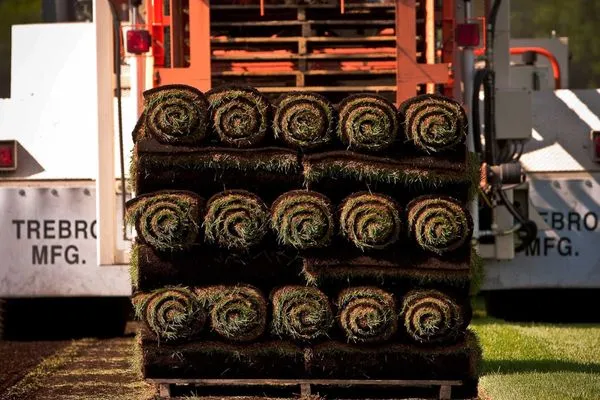
Skalitzky Sod Farms, L.L.C. has been Waterloo's trusted source for premium turf and landscaping supplies since 1998. As a family-owned sod farm, we specialize in high-quality Kentucky Bluegrass sod, a...
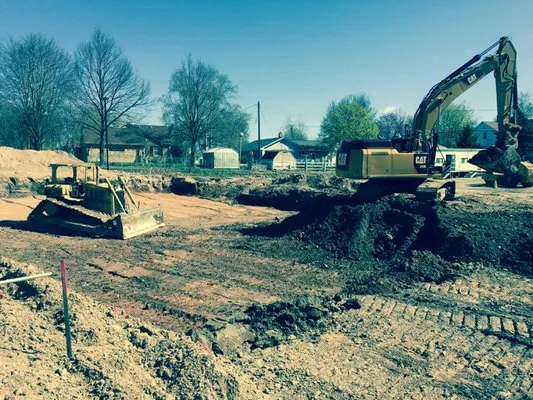
Forest Landscaping & Construction
Forest Landscaping & Construction, Inc. has been a cornerstone of the Lake Mills, WI community since 1992, providing reliable excavating, construction, and landscaping services across Jefferson, Dodge...
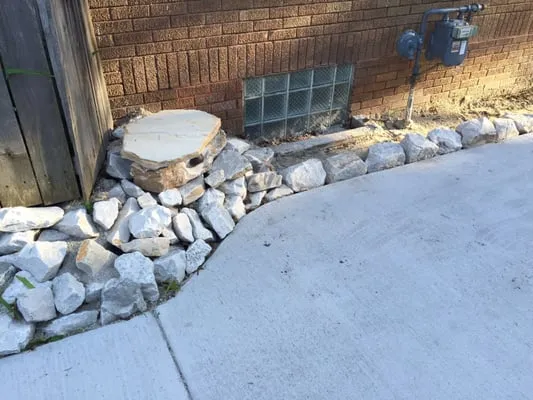
Rescue My Landscape is a full-service Greendale-based company dedicated to transforming and maintaining outdoor spaces for homeowners and businesses across Southeastern Wisconsin. We operate by appoin...
David J. Frank Landscape Contracting has been a trusted name in Germantown and southeastern Wisconsin since its founding in 1959. With nearly 100 crews operating daily from our Germantown headquarters...
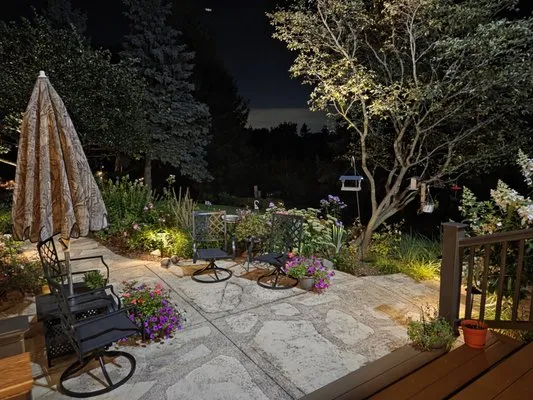
World Class Outdoor Lighting
World Class Outdoor Lighting, founded in Waukesha in 2003 by owner Kevin, is a locally owned and operated specialist dedicated to enhancing Southeastern Wisconsin homes. With over 20 years in the indu...

Fox Den Landscape & Nursery is a trusted local landscaping and nursery business serving Mayville, WI, and surrounding areas. We specialize in comprehensive shrub care and landscape maintenance, helpin...
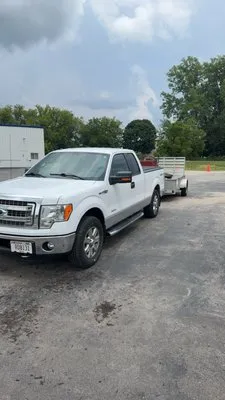
Edge It
Edge It is a Waukesha-based lawn and landscape company built on a simple, local promise: to handle the projects that often go overlooked. Founded by a Lake Country area resident, the business focuses ...

LC's Lawn & Pest Care LLC is a locally owned and operated business serving Delafield, Hartland, Pewaukee, and surrounding communities since 2012. Founded on a commitment to the science of lawn care, w...

Javi's Landscaping is a trusted, locally-owned business serving Watertown, WI, with comprehensive outdoor services including landscaping, lawn care, snow removal, and masonry. We understand the unique...
Mow and Go Landscape is a Waukesha-based company dedicated to providing comprehensive property care for both residential and commercial clients throughout Waukesha County. We specialize in landscaping...
Estimated Landscaping Service Costs in Lebanon, WI
Common Questions
Are concrete pavers or crushed limestone better for Lebanon patios and pathways?
Concrete pavers offer formal durability with 25+ year lifespans but require proper base preparation in Lebanon's freeze-thaw cycles. Crushed limestone provides natural drainage and blends with rural settings while costing 30-40% less. For Firewise compliance in Lebanon's low-risk woodland interface, maintain 5-10 feet of defensible space using non-combustible materials. Both options avoid wood's decay issues and support load-bearing needs without compromising the 1.5-acre lot's aesthetic balance.
What's the best solution for poor drainage in my Lebanon yard's low spots?
Seasonal high water tables in Lebanon's depressions require graded swales or French drains to redirect surface flow. Crushed limestone offers superior permeability (40-50% void space) compared to solid pavers, meeting Dodge County Land Resources runoff standards. For severe cases, we install dry wells filled with gravel to capture and slowly release water. Proper grading should maintain a 2% slope away from structures while preserving existing tree root zones.
Should I replace parts of my lawn with native plants to reduce maintenance?
Transitioning 25-50% of turf to Purple Coneflower, Little Bluestem, Butterfly Milkweed, and Wild Bergamot creates a low-input landscape that supports pollinators. These deep-rooted natives require no fertilization (complying with Wisconsin's phosphorus ban) and minimal watering once established. The shift reduces mowing frequency and supports Lebanon's transition to electric equipment that meets noise ordinances. Mature native plantings also improve soil structure and sequester more carbon than traditional turf.
What invasive species should Lebanon homeowners watch for, and how are they treated?
Garlic mustard and buckthorn pose significant threats in Lebanon's woodland interface zones. Manual removal before seed set (typically May) is most effective for small infestations. For larger areas, targeted glyphosate applications to cut stumps in late fall avoid impacting native plants. All treatments comply with Wisconsin's fertilizer ordinance by excluding phosphorus-containing products. Regular monitoring along property edges prevents establishment, especially important given Lebanon's low Firewise rating and rural character.
What permits and licenses are needed for major landscaping work on my Lebanon property?
Grading or earthmoving on 1.5-acre lots requires Dodge County Land Resources and Parks Department approval for erosion control and drainage plans. Contractors must hold Wisconsin Department of Safety and Professional Services licensing for excavation work exceeding 100 cubic yards. The permit office reviews plans for compliance with setback requirements and stormwater management. Unlicensed grading can result in fines up to $1,000 per day and mandatory restoration at owner expense.
How quickly can you respond to an emergency tree cleanup after a storm in Lebanon?
Our Lebanon storm response team dispatches from the Lebanon Town Hall area within 30 minutes of notification. Using WI-109 for primary access, we maintain a 45-60 minute arrival window during peak events, accounting for debris clearance on rural roads. All equipment meets daytime noise ordinance requirements (7:00 AM - 9:00 PM operation). We prioritize safety assessments first, then implement systematic cleanup to restore property access and address immediate hazards.
Why does my Lebanon Town Center lawn have such compacted soil that needs annual aeration?
Lebanon's 1993-built homes have 33-year-old soil profiles where decades of foot traffic and equipment weight have compressed the native silt loam structure. This soil type naturally has moderate permeability, but compaction reduces pore space for water infiltration and root growth. Core aeration every 2-3 years creates channels for air, water, and organic matter to penetrate 3-4 inches deep. Adding compost after aeration improves soil biology and water retention without altering the pH 6.5-7.2 range.
How do smart irrigation systems work with Lebanon's water conservation standards?
Wi-Fi soil moisture sensors measure actual root zone conditions rather than operating on fixed schedules. These controllers adjust watering based on evapotranspiration rates, soil type, and plant needs. For Kentucky Bluegrass and Fine Fescue mixes, this typically reduces water use 30-40% while maintaining turf health. The system automatically respects Lebanon's standard conservation guidelines by preventing irrigation during rainfall and optimizing for silt loam's 6-8 inch percolation depth.
