Top Landscaping Services in Lake Geneva, WI, 53147 | Compare & Call
There are 117 landscaping companies server in Lake Geneva WI
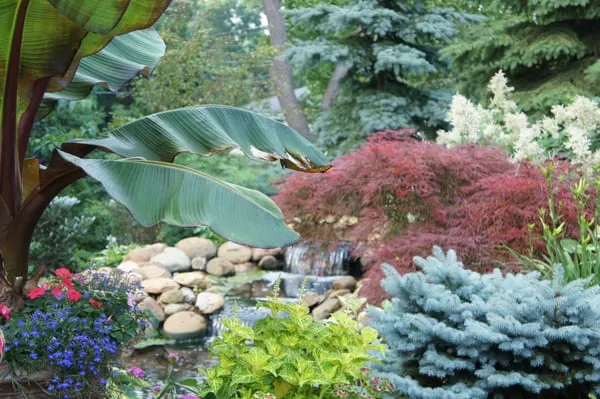
Since 1991, J&J Lawn and Landscape has been a trusted, family-owned resource for Lake Geneva, WI, and the surrounding communities. We build lasting relationships with our clients by focusing on reliab...
BLG Service is a trusted, locally-owned snow removal and landscaping company serving Lake Geneva, WI, and the surrounding area. We specialize in reliable snow removal to keep driveways and walkways sa...
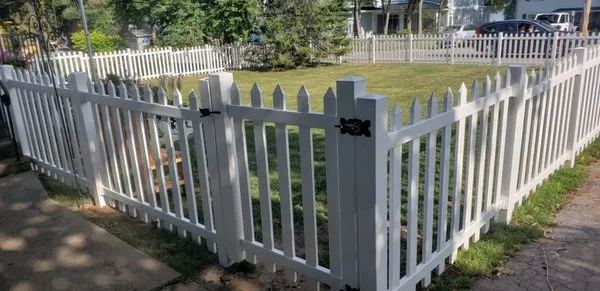
Chacaz Lawncare is a Lake Geneva, Wisconsin-based company with over a quarter-century of combined experience in the field. For the past ten years, we've been the trusted local choice for homeowners lo...
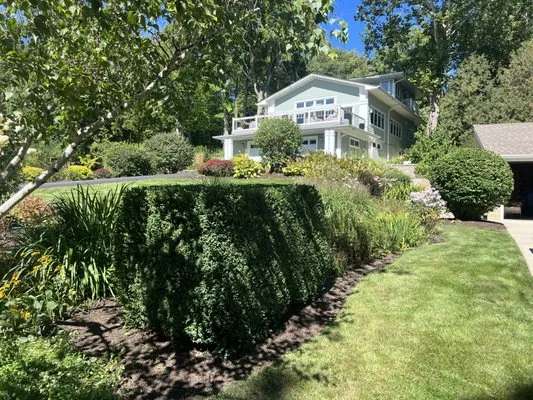
Baldi Lawn Service provides dependable lawn and tree care for Lake Geneva residents. We specialize in weekly mowing, seasonal clean-ups, and detailed tasks like bush trimming, mulch installation, and ...
Geneva Scapes is a Lake Geneva, WI-based landscaping and design firm specializing in creating beautiful, resilient outdoor environments tailored to our local climate. We understand the unique challeng...
JackyBoy Lawn Care is a trusted, locally-owned lawn service provider in Lake Geneva, Wisconsin, dedicated to helping homeowners achieve and maintain healthy, beautiful lawns. We understand the specifi...
A B Coulters Lawn & Landscape is a trusted, locally-owned landscaping company serving Lake Geneva, WI. We understand the unique challenges local homeowners face, from persistent weed infestations that...
Estimated Landscaping Service Costs in Lake Geneva, WI
FAQs
Our yard stays soggy for days after rain. Is this a common issue in Lake Geneva, and what's the solution?
Persistent sogginess is a frequent issue due to the region's seasonal high water table and dense clay subsoils beneath the silt loam topsoil, which have poor infiltration. Solving this requires a subsurface drainage strategy, such as installing a French drain system to intercept and redirect water. For new patios or walkways, using permeable Wisconsin Dolomite Limestone set on a gravel base can also reduce surface runoff and meet City of Lake Geneva stormwater management standards.
Is it possible to have a green lawn while respecting the city's voluntary water conservation guidelines?
Yes, using smart Wi-Fi soil moisture sensor controllers is the standard practice. These systems apply water based on actual evapotranspiration (ET) and soil conditions, not a fixed schedule. For Kentucky Bluegrass and Fine Fescue blends, this means deep, infrequent watering that encourages drought-tolerant root systems. This technology prevents overwatering, keeping your lawn healthy while staying well within municipal water use expectations.
Our neighborhood's lawns don't seem as healthy as newer subdivisions. Is it just the age of the homes?
Properties in Downtown Lake Geneva, with homes averaging 50 years old, have mature soil profiles. The original Mollisols, a silt loam, have likely become compacted from decades of foot traffic and standard maintenance, reducing permeability. This compaction restricts root growth and oxygen exchange. Core aeration and targeted organic amendments are necessary to restore soil structure and support healthy turf or native plantings.
We want to regrade our backyard for better drainage. Do we need a permit, and what should we look for in a contractor?
Significant regrading on a 0.22-acre lot often requires review by the City of Lake Geneva Zoning and Planning Department to ensure compliance with drainage and erosion control ordinances. It is critical to hire a contractor licensed by the Wisconsin Department of Safety and Professional Services for excavation and site work. This licensing ensures they carry the proper insurance and have the technical knowledge to alter topography without negatively affecting neighboring properties or municipal infrastructure.
I'm tired of weekly mowing and gas equipment noise. What are my low-maintenance, quieter options?
Transitioning high-maintenance turf areas to a planting of regionally native species like Purple Coneflower, Butterfly Milkweed, and Little Bluestem is a forward-thinking solution. These deep-rooted perennials and grasses require no mowing, minimal watering once established, and support local biodiversity. This shift also future-proofs your property against tightening noise ordinances that restrict gas-powered blowers and aligns with the move toward all-electric, quieter landscape maintenance.
I've spotted a fast-spreading vine in my garden. How do I handle invasive species without harming my other plants?
Common invasive species alerts for Zone 5b include Garlic Mustard and Creeping Bellflower. Manual removal, including the entire root system, is most effective for small infestations. For persistent issues, targeted, non-residual herbicide applications in late fall can be effective when applied directly to the invasive plant, minimizing impact on desirable species. All treatments must comply with the statewide phosphorus ban and avoid any application near water features.
A major storm just passed through. How quickly can a crew arrive for emergency tree debris removal near the Riviera?
For emergency storm response in the downtown core, we dispatch from our central yard via US-12. Barring major road closures, a crew can typically be on-site at a property near the Riviera Ballroom within 20-30 minutes during peak response windows. Our electric maintenance fleet complies with the local 7:00 AM start time for noise-restricted equipment, allowing for immediate, quiet deployment.
We're building a new patio. Why is local limestone often recommended over wood or composite decking?
Wisconsin Dolomite Limestone offers superior longevity and fire resistance compared to organic materials. In Lake Geneva's Moderate Fire Wise rating zones, creating defensible space is a consideration; non-combustible hardscape materials like stone provide a critical barrier. Limestone also integrates aesthetically with the local environment, requires no sealing or chemical treatments, and its thermal mass helps moderate temperature swings in adjacent planting beds.
