Top Landscaping Services in Hazel Green, WI, 53811 | Compare & Call
There are 54 landscaping companies server in Hazel Green WI
Woods Home Repair
Woods Home Repair is your trusted, full-service contractor serving Portage, WI, and the surrounding area. We specialize in making your home more beautiful, functional, and valuable, handling everythin...
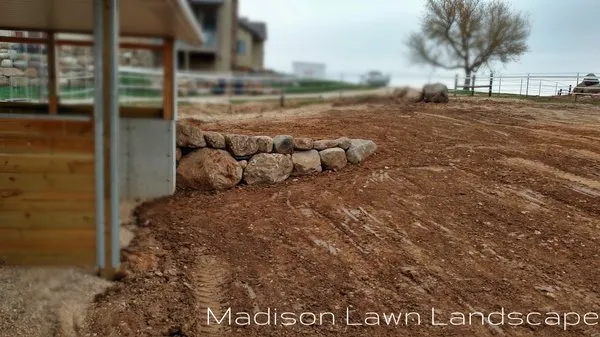
Madison Lawn Landscape is your trusted, full-service partner for property management and improvement in Dodgeville, WI. We specialize in solving the two most common local landscaping challenges: manag...

Mattie's LLC is a locally owned and licensed tree service provider dedicated to serving Southwest Wisconsin. Based in Platteville, our team offers comprehensive tree care, from removal and pruning to ...
Goninen Property Services is a trusted, full-service excavation and landscaping contractor serving Hollandale, WI, and the surrounding areas. We specialize in solving common local property challenges,...
Estimated Landscaping Service Costs in Hazel Green, WI
Q&A
What permits and licenses are needed for grading my 0.25-acre lot?
Grading projects altering more than 100 cubic yards of soil require Grant County Planning & Zoning Department review for erosion control compliance. Contractors must hold Wisconsin Department of Safety and Professional Services licensing for excavation work, with additional certification needed for stormwater management installations. Professional landscape architects should design drainage solutions meeting municipal runoff coefficients, as improper grading on quarter-acre lots can create downstream flooding liabilities.
Can I reduce maintenance while supporting local ecology?
Transitioning high-maintenance turf to Purple Coneflower, Butterfly Milkweed, Little Bluestem, and Wild Bergamot creates pollinator habitat requiring minimal inputs. These USDA Zone 5a natives establish deep root systems that prevent erosion and survive seasonal extremes. Electric maintenance equipment operates quietly within noise ordinance parameters, while reduced mowing frequency decreases carbon emissions and supports 2026 biodiversity standards for residential landscapes.
How do I control invasive species without chemical runoff concerns?
Manual removal of garlic mustard and buckthorn during early growth stages prevents seed dispersal without violating Wisconsin's phosphorus application ban. Solarization with clear plastic during summer months eliminates invasive seeds in soil, while targeted vinegar applications spot-treat resilient specimens. Introducing mycorrhizae to soil after removal helps native plants outcompete returning invasives, creating resilient ecosystems that require fewer interventions over time.
What solutions address seasonal frost heave in my yard?
Moderate frost-heave potential in silt loam soils requires graded swales directing water away from foundations. Permeable crushed limestone pathways meet Grant County Planning & Zoning Department runoff standards while providing stable surfaces during freeze-thaw cycles. French drains with clean stone aggregate improve subsurface drainage, and rain gardens planted with native species capture excess moisture, reducing soil saturation that contributes to heaving.
Is crushed limestone better than wood for pathways and patios?
Crushed limestone provides superior longevity with 15-20 year service life versus wood's 5-10 year replacement cycle in Zone 5a freeze-thaw conditions. Its light color reflects heat, reducing urban heat island effect while maintaining low fire-wise rating compliance through non-combustible properties. Properly compacted limestone creates stable, permeable surfaces that support defensible space requirements without deteriorating like organic materials exposed to seasonal moisture fluctuations.
Why does my Hazel Green lawn have drainage issues and compacted soil?
Hazel Green Residential Core properties average 53 years since construction, creating mature silt loam soil with reduced permeability. This soil type naturally compacts over decades, limiting water infiltration and root development. Core aeration every 2-3 years introduces oxygen channels while top-dressing with composted organic matter improves soil structure. The pH range of 6.5-7.2 in this neighborhood supports most turf species but requires regular testing to maintain optimal nutrient availability.
How quickly can you respond to storm damage for HOA compliance?
Emergency cleanup crews dispatch from Hazel Green Park via WI-11, maintaining 25-35 minute response times during peak conditions. Our electric maintenance fleet operates within standard quiet hours (7:00 PM - 7:00 AM) to address fallen branches and debris without noise ordinance violations. We prioritize safety assessments before clearing access routes, documenting conditions for insurance purposes while restoring property to compliance standards.
How do I maintain Kentucky Bluegrass during dry periods without violating water restrictions?
Soil-moisture sensor integration prevents overwatering by triggering irrigation only when root zones reach predetermined dryness thresholds. This ET-based system applies 1-1.5 inches weekly during peak evapotranspiration periods, preserving municipal water resources under standard conservation guidelines. Properly calibrated sensors maintain Kentucky Bluegrass health while reducing consumption by 30-40% compared to timer-based systems, with deeper root development improving drought tolerance.
