Top Landscaping Services in Harrison, WI, 54129 | Compare & Call
There are 204 landscaping companies server in Harrison WI
Treeo's is a trusted, locally-owned company serving Menasha, WI, with comprehensive outdoor solutions including landscape maintenance, snow removal, and tree care services. We understand the unique ch...
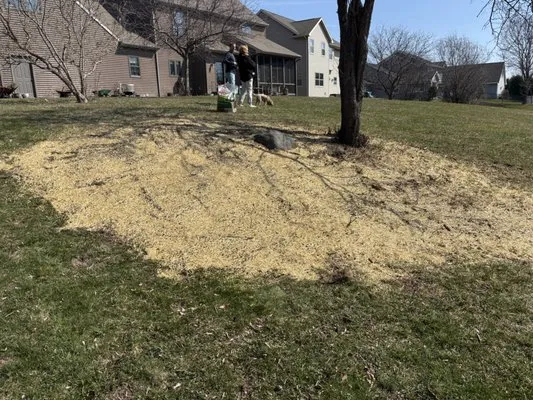
Feutz Lawn And Snow is your trusted, year-round partner for outdoor care in Oshkosh, WI. They specialize in comprehensive lawn care, reliable snow removal, and professional tree services. A key local ...
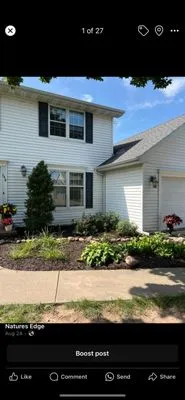
Nature Edge Landscaping
Nature Edge Landscaping is a De Pere, WI-based company dedicated to transforming outdoor spaces into beautiful, functional extensions of your home. We believe a well-crafted landscape enhances daily l...
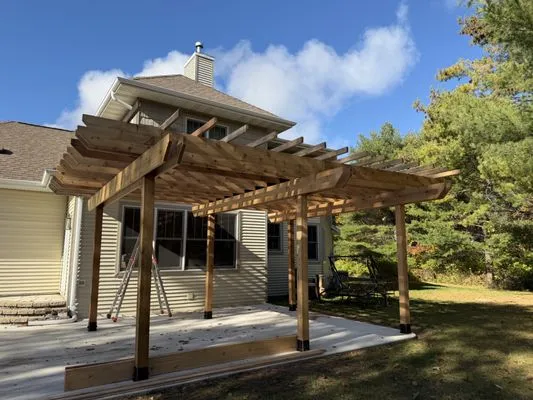
In & Out Solutions LLC in Luxemburg, WI, is your local partner for maintaining and improving your property. We provide comprehensive services to keep both homes and businesses in top condition, handli...
Hank's Clean Cuts is a trusted local landscaping service in Howard, Wisconsin, dedicated to solving the common yard problems homeowners face. Many properties in the area struggle with lawn fungus dise...
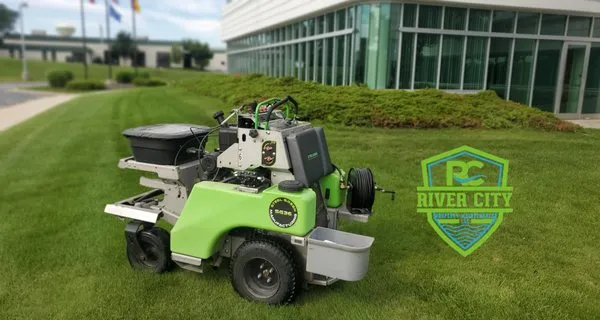
River City Property Maintenance is a locally owned and operated Wrightstown business, founded as an official LLC in 2020 and built on over 15 years of hands-on experience. We are a fully licensed and ...
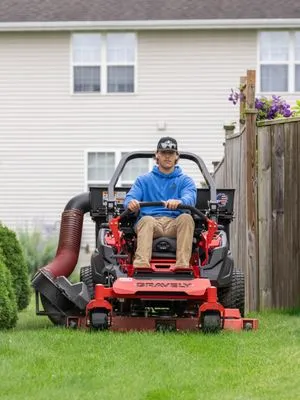
At Superior Lawn Care & Landscaping in Howard, WI, we provide professional lawn care and landscaping services for homeowners and businesses who value a well-maintained property. Our approach is built ...
Green Valley Landscape Management is a Kaukauna-based landscaping company dedicated to solving common local yard problems for homeowners. We specialize in addressing issues like standing water in yard...

QBS Property Maintenance, LLC is a locally owned and operated business serving the Fox Valley area, including Appleton, WI. We specialize in comprehensive property care to keep your outdoor spaces fun...
North Lake Lawn is a trusted lawn care provider serving Menasha, WI, and surrounding areas. We specialize in comprehensive lawn maintenance and landscaping solutions designed to address common local c...
Estimated Landscaping Service Costs in Harrison, WI
FAQs
I'm tired of weekly mowing. Are there lower-maintenance alternatives?
Transitioning sections of high-input turf to a native plant community is a strategic, long-term solution. Species like Purple Coneflower, Butterfly Milkweed, and Little Bluestem are adapted to Zone 5a and require no fertilization, minimal watering once established, and only an annual cut-back. This reduces fuel and maintenance cycles, aligning with the shift toward quieter, electric equipment mandated by local noise ordinances and supporting 2026 biodiversity goals.
How quickly can you respond for an emergency tree cleanup after a storm?
For urgent storm response, our electric fleet can be dispatched from our staging area near Darboy Community Park. Using US-10, we can typically reach most Harrison Village properties within the 25-35 minute window during peak conditions, adhering to the 7:00 AM noise ordinance start time. This prioritizes safety and immediate hazard mitigation, such as clearing driveways or securing damaged limbs, to restore property access and security.
Is a smart sprinkler system worth the investment here?
Absolutely, especially for maintaining a Kentucky Bluegrass and Fine Fescue mix under standard conservation guidelines. Smart Wi-Fi weather-based controllers use local evapotranspiration (ET) data to apply only the water your lawn has actually lost, preventing overwatering. This technology is essential for managing the high seasonal saturation of our clay subsoil, as it can automatically skip cycles after rain, conserving water and preventing fungal issues that thrive in wet conditions.
What permits or licenses are needed to regrade my backyard?
Any significant grading that alters water runoff patterns on a 0.35-acre lot typically requires a review by the Village of Harrison Planning & Zoning Department to ensure compliance with erosion control and drainage ordinances. The contractor performing the work must hold appropriate licensing through the Wisconsin Department of Safety and Professional Services, which ensures they are bonded and trained in current best practices for soil management and site engineering.
What are the most aggressive weeds here, and how should I handle them?
Invasive species like creeping Charlie, garlic mustard, and Canada thistle are prevalent alerts. Effective management combines manual removal at key growth stages with targeted, non-phosphorus herbicide applications, strictly following Wisconsin's Chapter NR 151 restrictions. Timing is critical; for example, treating broadleaf weeds in fall when nutrients are moving to the roots is most effective. Always prioritize soil health to help desirable plants outcompete invaders.
My yard stays soggy for days after rain. What are my options?
Persistent saturation is a hallmark of poorly drained Kewaunee-Manawa clay subsoil. Solutions begin with improving soil percolation via aeration and organic amendments. For hardscape areas, specifying permeable concrete pavers or an open-graded crushed limestone base can meet Village of Harrison runoff standards by allowing infiltration. In severe cases, a subsurface French drain system may be necessary to intercept and redirect groundwater away from the foundation.
Should I use concrete pavers or wood for a new patio?
Concrete pavers offer superior longevity and lower lifetime maintenance compared to wood in our climate. They are non-combustible, which contributes to defensible space considerations even in Harrison's low Fire Wise rating area. A properly installed paver system with a permeable base also addresses drainage concerns, while wood decks require regular sealing and are susceptible to moisture damage from our high seasonal ground saturation.
Why does my soil feel so compacted and dense, and what can I do about it?
Properties built around 2001 in Harrison Village are now 25 years old, and their Kewaunee-Manawa Silty Clay Loam has had decades to settle and compact. This fine-textured soil naturally has low permeability, and years of standard maintenance have likely depleted organic matter, further reducing aeration. Core aeration every other fall is critical to disrupt compaction and allow water and oxygen to reach grass roots. Following aeration, top-dressing with a quality compost will gradually improve soil structure and biological activity.
