Top Landscaping Services in Greenbush, WI, 53023 | Compare & Call

There are 54 landscaping companies server in Greenbush WI
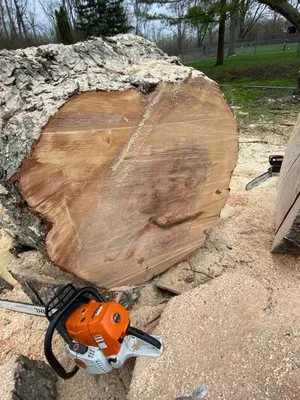
Your Friendly Neighbor Landscaping & Tree Service
Your Friendly Neighbor Landscaping & Tree Service started as a small, dedicated team and has grown into a trusted Milwaukee resource by focusing on reliability and value for every residential and comm...
Jennifer James Landscape Management
Jennifer James Landscape Management is a West Bend-based company built on decades of hands-on experience in the local landscape industry. We founded our service on the principle of knowledgeable teamw...
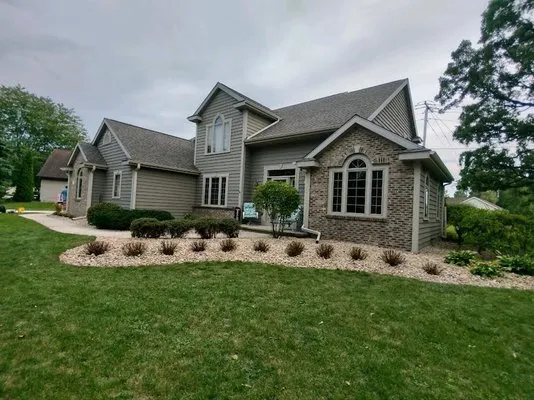
TW Landscape is a full-service landscaping company serving Campbellsport, WI, and the surrounding areas. We specialize in transforming outdoor spaces with comprehensive services including landscape de...
Deckers Services, L.L.C. is a state-certified landscaping company based in Port Washington, serving Ozaukee, Washington, and Sheboygan counties. We provide reliable lawn installation, snow plowing, an...

Green Earth Lawncare & Maintenance Services is a Sheboygan-based family business with deep roots in the community. Founded in 2012 with a focus on reclamation and maintenance, the owner's expertise gr...
SpringGreen, managed by Bryan Braun, is your locally owned and operated lawn, pest, and tree care provider serving Green Bay, Appleton, Oshkosh, Fond du Lac, Sheboygan, and the surrounding communities...
Katz Property Management is your local Fond du Lac, WI, partner for property upkeep and improvement. We combine expertise in landscaping, handyman services, and dumpster rental to provide a complete s...
Fox Valley Tree Care & Landscaping
Fox Valley Tree Care & Landscaping has been a trusted name in Neenah and the surrounding Fox Valley area for over two decades. Our team of certified arborists and landscaping professionals combines de...
Kes Contracting
KES Contracting is a locally-owned and operated business serving Hobart and Northeast Wisconsin. We are a union-trained team with an A+ rating from the BBB, equipped to handle projects of any scale. O...
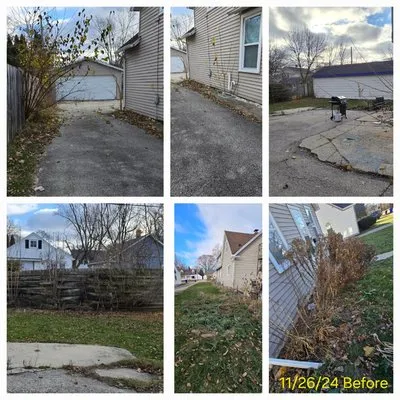
Smokeez in Sheboygan, WI, is a locally-owned business founded on the simple, family-driven goal of making essential home services efficient and affordable. My husband and I started this venture in 202...
Estimated Landscaping Service Costs in Greenbush, WI
Common Questions
What solutions exist for seasonal water pooling in Greenbush yards?
The high water table in Kewaunee-Manawa soils requires engineered drainage solutions. We install French drains with clean crushed dolomite limestone aggregate, which provides 40-45% void space for water storage and gradual infiltration. This permeable hardscape meets Sheboygan County Planning & Conservation runoff standards by reducing surface flow by 60-70% compared to impervious surfaces.
What permits and licenses are needed for landscape grading in Greenbush?
Grading on 0.50-acre lots requires Sheboygan County Planning & Conservation approval for any cut/fill exceeding 50 cubic yards. Contractors must hold Wisconsin Department of Safety and Professional Services licensing for excavation work, which includes bonding requirements and continuing education in erosion control. Unlicensed grading can trigger fines up to $10,000 plus restoration mandates.
How quickly can you respond to emergency storm damage in Greenbush?
Our electric maintenance fleet can dispatch from the Old Wade House State Historic Site area within 30 minutes of notification. We route via WI-23 to reach Greenbush Village Center properties, maintaining a 45-60 minute peak response time for emergency cleanup. This schedule accommodates noise ordinance restrictions while ensuring HOA compliance deadlines are met for debris removal and safety hazards.
How do smart irrigation systems work with Greenbush's water restrictions?
Smart Wi-Fi soil-moisture sensors monitor actual ET rates rather than operating on fixed schedules. This technology maintains Kentucky Bluegrass and Fine Fescue mixes at 75-80% of potential evapotranspiration, reducing water use by 25-30% compared to traditional systems. During Stage 0 restrictions, these systems automatically adjust to municipal guidelines while preventing drought stress through precise root-zone moisture management.
Can I reduce lawn maintenance while supporting local ecology?
Replacing 30-40% of turf with Purple Coneflower, Little Bluestem, Butterfly Milkweed, and Wild Bergamot creates habitat corridors while cutting mowing time by half. These deep-rooted natives require no irrigation after establishment and support 12-15 pollinator species. This transition aligns with emerging electric equipment mandates, eliminating gas blower noise and emissions during restricted hours.
What invasive species threaten Greenbush landscapes and how are they managed?
Garlic mustard and buckthorn pose significant threats in Zone 5a, outcompeting natives and altering soil chemistry. We employ targeted herbicide applications during dormancy periods, avoiding phosphorus fertilizer blackout dates entirely. Manual removal combined with mycorrhizae-inoculated native plantings creates resilient ecosystems that resist reinvasion through natural competition.
Is crushed limestone better than wood for Greenbush patios and pathways?
Crushed dolomite limestone provides superior longevity with 25-30 year service life versus wood's 8-12 years in our climate. Its light reflectance reduces heat island effect by 15-20°F compared to asphalt. For properties with Moderate Fire Wise ratings, this non-combustible material creates defensible space while meeting permeability requirements for stormwater management.
Why does my Greenbush lawn struggle with compaction and poor drainage?
Properties in Greenbush Village Center built around 1938 have soil that has matured for 88 years. The Kewaunee-Manawa Silty Clay Loam common here develops dense layers over decades, reducing permeability to 0.1-0.3 inches per hour. This soil requires annual core aeration in early fall to break up compaction and incorporate organic amendments like composted leaf mold. Without this intervention, water infiltration remains inadequate for healthy root development.
