Top Landscaping Services in Glenwood City, WI, 54013 | Compare & Call

There are 25 landscaping companies server in Glenwood City WI
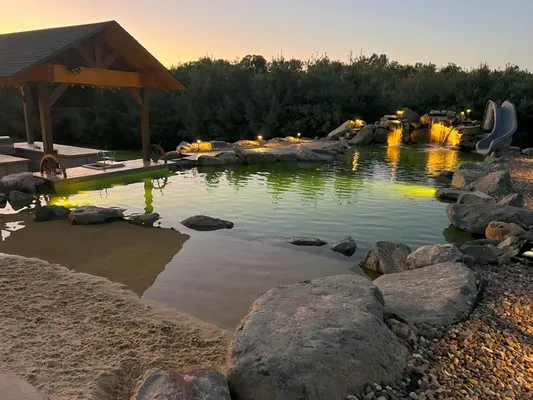
Dreamscapes Natural Pools
Dreamscapes Natural Pools, serving Knapp and the surrounding area, is a specialized landscape and pool build company. We focus on creating beautiful, durable outdoor spaces with over 20 years of hands...
RainMaster Lawn Systems is a trusted Eau Claire provider of comprehensive outdoor solutions, specializing in irrigation, lawn care, and seasonal services. With over a decade of experience, we focus on...
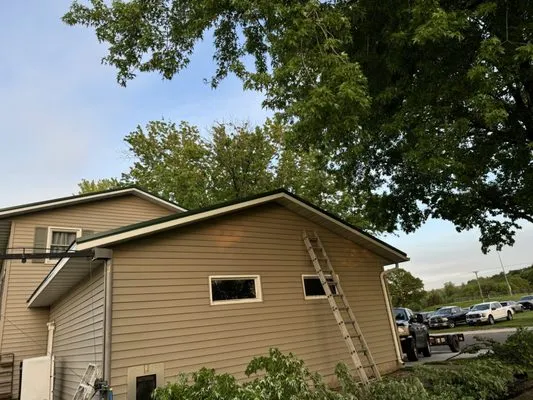
Sin Fronteras is a locally owned and operated lawn care and snow removal service in Eau Claire, WI, founded in March 2023 by an owner with years of experience working for another company in the indust...

DSP Property Services is a Frederic-based landscaping and property care company dedicated to handling the unique challenges of our local climate and properties. We focus on practical, lasting solution...
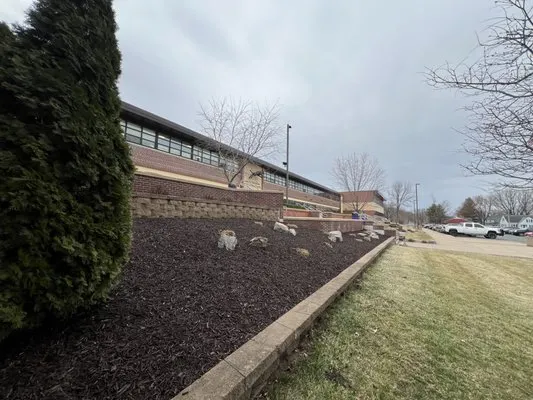
Fenter Lawn & Landscape is a trusted, full-service landscaping company serving Durand, WI, and the surrounding area. We specialize in creating and maintaining healthy, beautiful outdoor spaces that th...
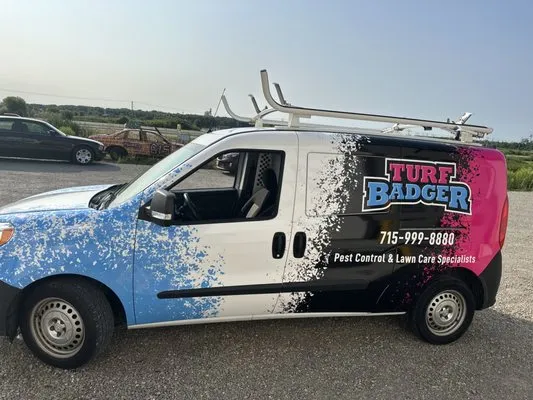
Pest Badger is your local, family-focused partner for a pest-free home and a healthy lawn in Chippewa Falls, WI. We specialize in protecting both residential and commercial properties from a wide rang...

Powerhouse Landscape & Construction Services
Powerhouse Landscape & Construction Services is a Barron-based general contractor and landscaping expert dedicated to solving common local property challenges. Many homes in the area face issues like ...
Land Pros in Eau Claire, WI is your trusted local partner for masonry, landscaping, and snow removal. We help homeowners build and maintain their outdoor spaces with services ranging from durable conc...
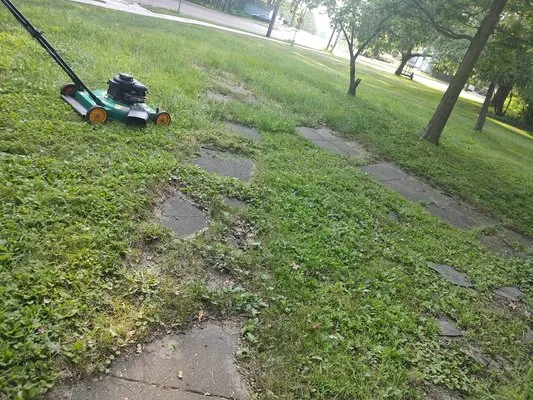
AJ Lawn Care is a locally owned, part-time operation based right here in Durand, WI. We're passionate about transforming outdoor spaces into exactly what our neighbors envision, one lawn at a time. Ou...
Advanced Property Care
Advanced Property Care, LLC is a locally owned and operated landscaping company serving Menomonie, WI and the surrounding 40-mile radius. Founded to address the common frustration of poor communicatio...
Estimated Landscaping Service Costs in Glenwood City, WI
Common Questions
How quickly can a crew respond for an emergency cleanup after a storm?
For an emergency call in Glenwood City Central, a dispatched crew from the Glenwood City Public Library area can be on-site within 20-30 minutes during peak conditions. The primary route utilizes WI-128 for efficient access. This response window is prioritized for safety hazards like downed limbs or blocked driveways, ensuring rapid HOA or municipal compliance.
How can I keep my lawn healthy during dry spells without violating water rules?
While Glenwood City has no mandatory restrictions, voluntary conservation is prudent. Smart Wi-Fi soil moisture sensor controllers are the definitive solution. These devices apply water based on actual evapotranspiration (ET) and root zone saturation, not a fixed schedule. This prevents overwatering sandy soils, conserves municipal water, and maintains the Kentucky Bluegrass and Fine Fescue mix by delivering moisture only when and where needed.
Are concrete pavers a better choice than wood for a new patio?
For longevity and reduced maintenance in Glenwood City's climate, inorganic materials like concrete pavers or crushed granite are superior. They resist frost heave better than wood when installed on a proper aggregate base and do not rot or require chemical treatments. In areas with a Moderate Fire Wise rating, these non-combustible materials also contribute to defensible space by not providing fuel adjacent to your home.
Our yard gets soggy in spring and heaves in winter. What's the cause and fix?
This is a classic symptom of the seasonal high water table interacting with frost-susceptible, sandy loam soil. Surface water cannot percolate downward when the subsoil is saturated, leading to pooling and subsequent frost heave. Regrading to create positive drainage away from foundations is the first step. Using permeable materials like crushed granite for paths and patios increases infiltration, helping meet St. Croix County runoff management standards.
Why does the soil in our Glenwood City Central neighborhood seem to compact so easily?
Homes built around 1975, typical for this area, have soil that has matured for over 50 years. The prevalent loamy sand and sandy loam soils lack stable organic matter, leading to rapid compaction under foot and equipment traffic. This reduces permeability and root zone oxygen. Annual core aeration in early fall, coupled with top-dressing with compost, is critical to rebuild soil structure and support turf health.
What are low-maintenance alternatives to a traditional grass lawn?
Transitioning high-input turf areas to a xeriscape of native perennials is a forward-looking strategy. Species like Little Bluestem, Purple Coneflower, and Butterfly Milkweed are adapted to Zone 4a and require no fertilization, minimal watering, and only an annual cut-back. This reduces reliance on gas-powered mowers and blowers, aligning with evolving noise ordinances and electric fleet transitions, while providing superior habitat for 2026 biodiversity goals.
What invasive species should I watch for, and how do I control them safely?
Common buckthorn and creeping bellflower are prevalent invasive alerts in this region. Manual removal for seedlings and careful cut-stump herbicide application for mature plants are effective. Timing is critical to avoid the statewide phosphorus ban blackout dates typically in spring. Always use a licensed applicator who can select non-phosphorus, targeted herbicides to prevent collateral damage to desirable plants like Wild Bergamot.
What permits and credentials are needed for a backyard regrading project?
Any significant regrading or earthmoving on a 0.25-acre lot likely requires an erosion control permit from the St. Croix County Community Development office. The contractor must hold appropriate licensing through the Wisconsin Department of Safety and Professional Services. This ensures they are bonded, insured, and knowledgeable about local soil conditions and drainage laws, protecting you from liability and substandard work that could affect neighboring properties.
