Top Landscaping Services in Fulton, WI, 53534 | Compare & Call
There are 121 landscaping companies server in Fulton WI
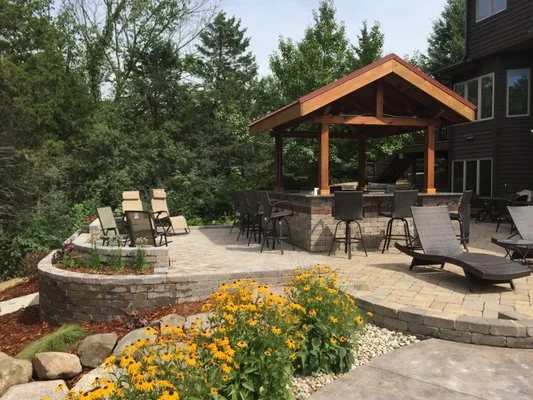
Greener Valley Landscaping Inc. is a locally owned and operated full-service landscape contractor based in Janesville, WI, serving Rock and Dane County since 1994. With over 25 years of experience, we...
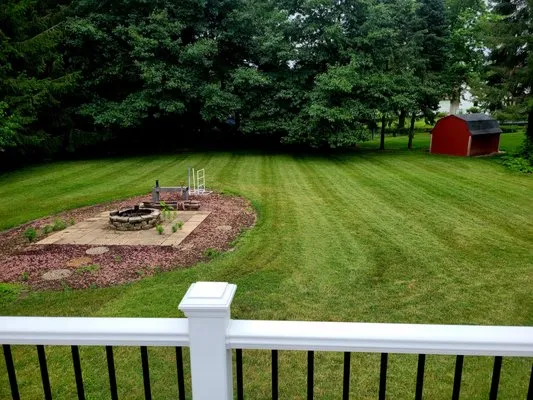
Matt's Mowing and Pressure Washing is your trusted Janesville, WI neighbor for maintaining a healthy, beautiful yard. We understand that local lawns often face challenges like unsightly fungus and poo...
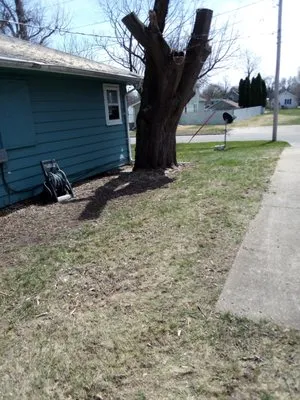
All Outdoor Services is a full-service landscaping and tree care company dedicated to enhancing the beauty and health of Beloit properties. We understand the unique challenges local homeowners face, f...
Maya-Bruns Landscaping
Maya-Bruns Landscaping is a family-owned business serving Beloit, WI, and surrounding areas since 2008. With over 12 years of experience, we provide comprehensive landscaping solutions for both reside...
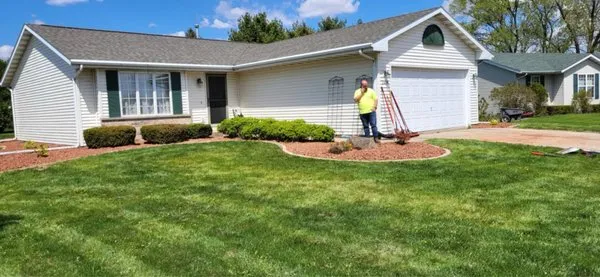
Big Ed's Lawn Services is your local Janesville expert for reliable, year-round lawn care. We understand the common landscaping challenges in our area, like persistent weed infestations and mulch beds...
Todd's Groundskeeping is a Janesville-based landscaping company dedicated to maintaining beautiful, healthy outdoor spaces for local homeowners. We specialize in comprehensive shrub care and landscape...
Lawn & Beyond of Wisconsin
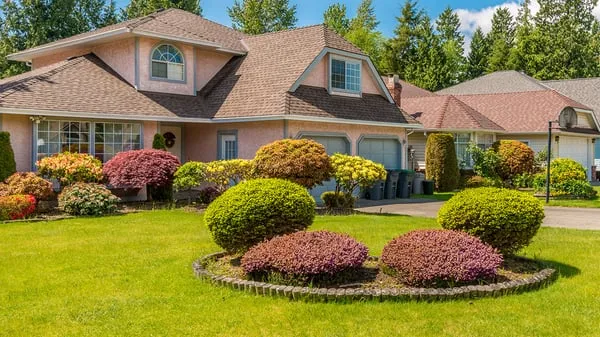
Lawn & Beyond of Wisconsin is a trusted Janesville landscaping company specializing in professional landscape design. We help local homeowners tackle common Wisconsin landscaping challenges like overg...
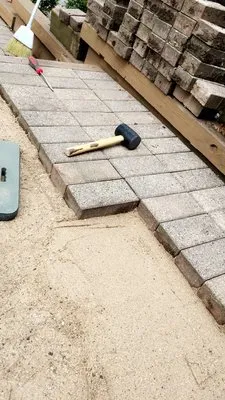
H&H Lawn Care is a trusted landscaping company serving Janesville, WI, dedicated to helping homeowners maintain healthy, beautiful outdoor spaces. We specialize in addressing common local challenges l...
Kobs & Roberts Services, LLC
Kobs & Roberts Services, LLC is a Milton-based property care company founded on a simple principle: reliable service at a fair price. Owner Charlie Kobs brings a lifelong passion for outdoor work—he s...

Park City Property Maintenance is your trusted Janesville, WI partner for comprehensive outdoor property care, specializing in lawn services, tree services, and gutter services. We understand the uniq...
Estimated Landscaping Service Costs in Fulton, WI
Frequently Asked Questions
Are concrete pavers better than wood for Fulton patios and walkways?
Pre-cast concrete pavers offer 30+ year lifespans versus wood's 8-15 years in Fulton's freeze-thaw cycles. Their non-combustible nature maintains Low Fire Wise Rating compliance by creating defensible space around structures. Unlike wood that requires annual sealing, pavers need only occasional joint sand replenishment. For drainage integration, permeable paver systems manage runoff while providing stable surfaces that resist frost heave in Zone 5a conditions.
Should I install smart irrigation with voluntary water conservation in Fulton?
Smart Wi-Fi soil-moisture sensing irrigation preserves Kentucky Bluegrass and Fine Fescue while reducing municipal water use by 30-40%. These systems calculate evapotranspiration rates specific to Fulton's Zone 5a climate, applying water only when soil probes detect deficits. Voluntary conservation programs reward this precision technology that prevents overwatering during seasonal high water table periods. Properly calibrated systems maintain turf health without exceeding recommended weekly inch-per-week guidelines.
How quickly can you respond to storm damage for HOA compliance in Fulton?
Emergency cleanup crews dispatch from Fulton Town Hall using I-90/I-39 corridors for 20-30 minute peak response times. This routing avoids residential bottlenecks while maintaining access to equipment yards. For urgent HOA violations like fallen branches or blocked drainage, initial assessment occurs within the first hour. Electric maintenance fleets operate within standard decibel limits during extended cleanup windows.
Why does my Fulton Village Center lawn have drainage issues and thin grass after 48 years?
Properties built around 1978 in Fulton have 48-year-old soil systems where the native Mollisols silt loam has become compacted over decades. This soil type naturally holds water but loses permeability when compressed by foot traffic and equipment. Core aeration every 2-3 years introduces oxygen channels while organic amendments like compost improve structure. Without these interventions, the pH-balanced 6.5-7.2 soil cannot support deep root systems for Kentucky Bluegrass.
What's the best solution for my yard's spring saturation problems?
Seasonal high water tables in Fulton's silt loam soils require graded swales directing runoff toward permeable areas. Installing pre-cast concrete pavers with ⅛-inch joint spacing allows 8-12 inches per hour infiltration rates, meeting Rock County Planning runoff standards. For severe cases, French drains with clean gravel layers bypass compacted subsoil. These systems work with the soil's natural 6.5-7.2 pH rather than against it, preventing erosion during heavy spring melts.
Can I reduce mowing and gas equipment noise with native plants?
Transitioning 25-40% of turf to Purple Coneflower, Little Bluestem, Butterfly Milkweed and Wild Bergamot creates low-maintenance zones requiring only annual cutting. These deep-rooted natives access subsoil moisture, eliminating weekly irrigation while providing habitat for 2026 biodiversity targets. As municipalities consider gas-blower restrictions, electric trimmers handle native grass maintenance at 65-75 decibels. This approach future-proofs landscapes against evolving noise ordinances while reducing carbon emissions.
What permits and licenses are needed for grading my 0.45-acre Fulton property?
Grading projects altering more than 100 cubic yards of soil require Rock County Planning, Economic & Community Development permits for erosion control. Contractors must hold Wisconsin Department of Safety and Professional Services licensing for excavation work exceeding 12 inches depth. On 0.45-acre lots, proper licensing ensures compliance with setback requirements and drainage patterns affecting neighboring properties. Unlicensed grading risks fines up to $1,000 per day and mandatory restoration orders.
How do I treat invasive species without violating fertilizer laws?
For creeping Charlie or garlic mustard invasions, targeted glyphosate applications in early fall avoid Wisconsin's phosphorus fertilizer blackout dates. Manual removal before seed set prevents chemical dependency while preserving soil microbiology. Always apply treatments during dry periods when soil moisture is below field capacity to prevent chemical migration. This approach maintains mycorrhizae networks that support native plants while eliminating invasives competing with your turf and garden specimens.
