Top Landscaping Services in French Island, WI, 54603 | Compare & Call
There are 60 landscaping companies server in French Island WI
Joe's Lawn Service in La Crosse, WI, provides reliable lawn care and expert landscape design for local homeowners. We understand the unique challenges of maintaining a healthy lawn in our area, includ...
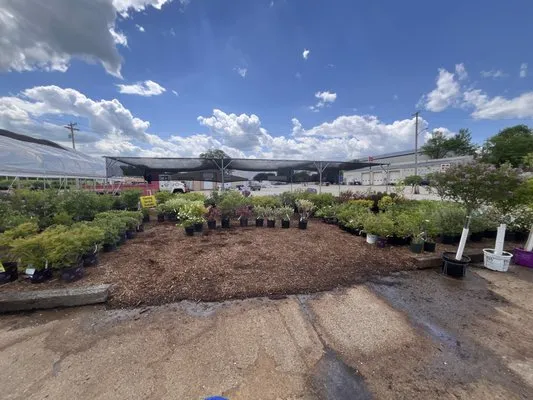
New Era Nursery
Nestled in the scenic Kickapoo River Valley, New Era Nursery serves the Hillsboro, LaFarge, and Ontario communities from its country greenhouse. Our mission is to be 'Beyond All Expectations,' providi...

Lawn Doctor in La Crosse, WI is your local partner for a healthy, beautiful outdoor space. We combine expertise in lawn care, tree services, and pest control to address the specific needs of our commu...
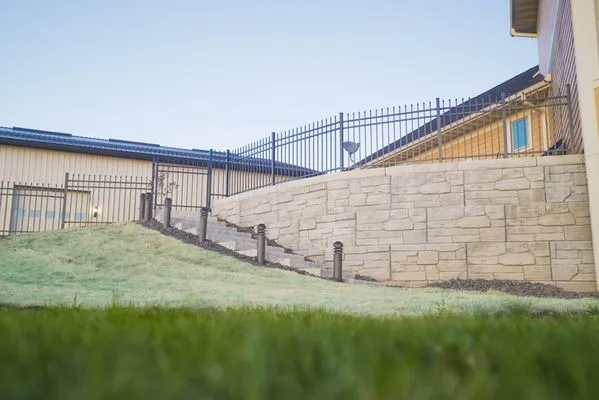
Brothers Lawn Care
Brothers Lawn Care is a family-owned landscaping company proudly serving Holmen and the greater La Crosse area since 2017. Founded by two brothers, our mission is to provide reliable, high-quality ser...
The Grounds Crew is your trusted local partner for year-round property care in Onalaska, WI. We specialize in comprehensive snow removal and expert landscaping services to keep your property safe and ...
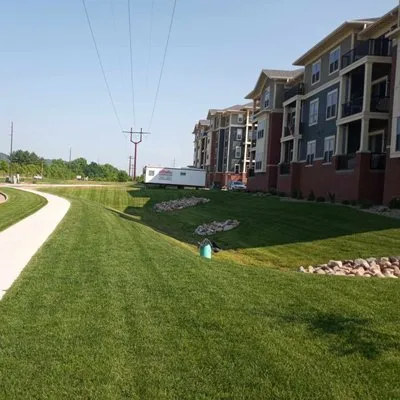
Perrine Lawn Care Services LLC is a locally owned and operated business serving the La Crosse Coulee Region for over five years. We specialize in comprehensive lawn care, tree services, and junk remov...

Henriksen Landscaping is a trusted, locally-owned landscaping and tree care company serving La Crosse, WI, and the surrounding Coulee Region. We specialize in comprehensive landscape maintenance, tree...

Lawn Mowing by Scott is a professional lawn care company serving Sparta and Monroe County, Wisconsin. With over 40 years of experience, Scott and his team provide reliable lawn mowing and maintenance ...
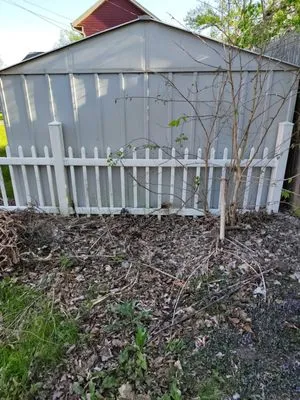
Collins Outdoor Services is a trusted, locally-owned lawn care provider serving the La Crosse, WI area. We specialize in comprehensive lawn care solutions designed to tackle the specific challenges of...
Z's Lawn & Landscaping is a trusted local provider in La Crosse, WI, dedicated to keeping your property beautiful and functional year-round. We understand the specific challenges La Crosse homeowners ...
Estimated Landscaping Service Costs in French Island, WI
Questions and Answers
Why does my lawn have poor soil compaction after 50 years?
Homes built around 1975 on French Island sit on soil that is now biologically mature but structurally degraded. The original sandy loam, while beneficial for drainage, has likely lost organic matter through decades of standard maintenance without core aeration. This leads to compaction in the root zone, reducing water infiltration and nutrient availability. A soil test confirming a pH of 6.2-6.8 is the first step, followed by incorporating compost to rebuild soil structure.
How quickly can you respond for emergency storm debris cleanup?
For HOA compliance or safety-critical storm events, our standard dispatch from the Great River State Trailhead uses WI-35 to reach the French Island Residential District. Accounting for peak traffic and debris on local roads, our target arrival is 20-30 minutes. We coordinate directly with the Town of Campbell for right-of-way clearance, ensuring rapid restoration of access and safety.
My yard drains too fast; how do I manage runoff properly?
Rapid infiltration in sandy loam can lead to erosion and fails to meet modern runoff standards. The solution is not to slow water but to manage its path and quality. Installing permeable concrete or crushed granite patios increases surface absorption while directing flow to rain gardens planted with natives. This design typically satisfies the Town of Campbell Building & Planning Department's requirements for on-site stormwater management.
Should I use wood or stone for a new patio here?
For longevity and fire resilience, crushed granite or permeable concrete is superior to wood. In French Island's Moderate Wildland-Urban Interface rating, these non-combustible materials contribute to defensible space around your home. They also integrate seamlessly with the native sandy loam, providing stable footing without retaining excessive heat, and require no chemical treatments that could leach into the rapid-draining soil.
How do I control invasive species like Buckthorn safely?
Invasive species like Common Buckthorn are a persistent threat in Zone 4b. Manual removal for small specimens is effective, while cut-stump treatment with an approved herbicide is necessary for larger plants. All treatments must use phosphorus-free products as required by Wisconsin law, and timing is critical to prevent seed spread. We schedule such interventions outside of sensitive periods to protect nearby native plantings.
Is smart irrigation worth it if we don't have water restrictions?
Even without municipal mandates, smart soil-moisture sensor controllers are essential for efficient water use. Sandy loam's high permeability means water drains quickly, often leading to overwatering with traditional schedules. An ET-based SMS system applies water only when the Kentucky Bluegrass and Fine Fescue root zone needs it, reducing consumption by up to 30% and preventing nutrient leaching, which aligns with statewide conservation practices.
What permits are needed for regrading my quarter-acre lot?
Significant grading on a 0.25-acre lot often requires a permit from the Town of Campbell Building & Planning Department to ensure compliance with erosion control and drainage ordinances. Furthermore, the work must be performed by or under the supervision of a professional licensed by the Wisconsin Department of Safety and Professional Services, as it involves altering the land's contour and can impact adjacent properties and municipal infrastructure.
What are low-maintenance alternatives to my high-input lawn?
Transitioning sections of turf to a native planting of Butterfly Milkweed, Wild Bergamot, Little Bluestem, and Pale Purple Coneflower reduces mowing, eliminates fertilizer needs, and supports local pollinators. This xeriscaping approach also future-proofs your property against evolving noise ordinances that may restrict gas-powered blowers, as these plantings require minimal seasonal cleanup compared to traditional beds.
