Top Landscaping Services in Franksville, WI, 53126 | Compare & Call

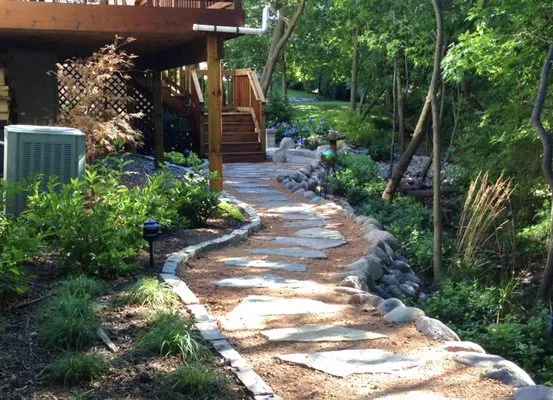
Happy Grass Outdoor is an owner-operated, full-service landscape management company based in Franksville, Wisconsin, with over 20 years of dedicated experience serving the local community. Specializin...
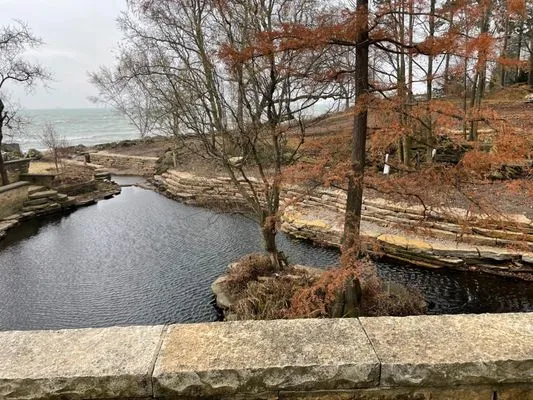
Dresen Landscaping
Dresen Landscaping has been a trusted landscape design and installation provider in southeastern Wisconsin since 1996, serving residential and commercial clients across Racine, Kenosha, Waukesha, and ...

Premier Lawns is a family-owned Franksville business that has been nurturing local landscapes since 1994. Our team of state-licensed professionals is dedicated to providing effective, environmentally ...
Perfecturf Lawn Care
Perfecturf Lawn Care is a trusted, family-owned business that has been proudly serving Franksville, WI, and the surrounding communities since 1987. We specialize in comprehensive lawn care, including ...
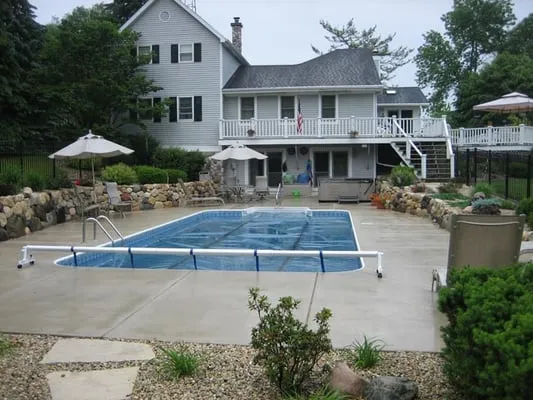
DC Landscape is a trusted, locally-owned landscaping company serving Franksville and the greater Southeastern Wisconsin area for over 15 years. We specialize in creating and maintaining beautiful, fun...
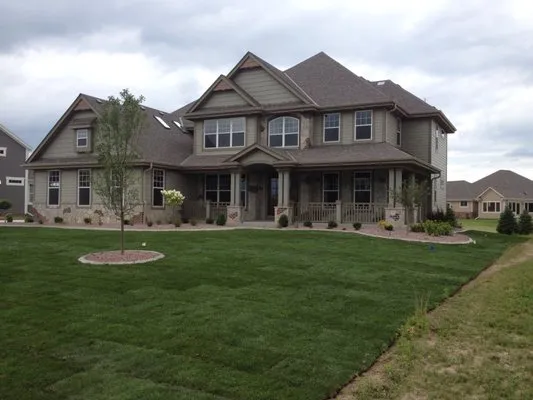
Owner Ryan Wankowski began his landscaping journey at 14, working for his brother's company, and has cultivated over a decade of expertise since. For 12 years, his owner-operated firm, R & R Enterpris...
Outdoor Reflections is a trusted landscaping company serving Franksville, WI, and the surrounding areas. We specialize in creating and maintaining beautiful, resilient outdoor spaces that thrive in ou...
Axes Yard Works and Snow Removal is your dedicated Franksville partner for year-round property care. We understand the specific challenges local homeowners face, from lawn frost damage after harsh win...
Advanced Landscaping Lawn & Snow is a Franksville-based, family-run business that has grown from a single operator to a dedicated team of twelve professionals. This growth allows us to provide reliabl...
Jasperson Sod Farm
Jasperson Sod Farm is a trusted Franksville, WI provider of comprehensive lawn and landscape solutions. Specializing in artificial turf installation, cleaning, repair, and infill application, along wi...
Questions and Answers
We're tired of weekly mowing and noisy gas equipment. Is there a lower-maintenance, quieter alternative?
Absolutely. Transitioning sections of high-input turf to a landscape of native plants like Purple Coneflower, Little Bluestem, and Butterfly Milkweed drastically reduces maintenance. These deep-rooted perennials require no mowing, minimal water once established, and support local pollinators. This shift also future-proofs your property against evolving noise ordinances targeting gas-powered blowers and mowers, as electric equipment is sufficient for the limited upkeep these plant communities require.
We want to regrade our 0.35-acre lot to fix drainage. What permits and contractor qualifications do we need?
Significant grading that alters water flow on a property of this size typically requires a permit from Racine County Planning & Development. More critically, the contractor must hold appropriate licensing from the Wisconsin Department of Safety and Professional Services, specifically in the field of excavating or landscaping. This ensures they understand soil mechanics, proper slope, and drainage law, protecting you from liability if changes inadvertently impact a neighbor's property or violate county erosion control ordinances.
We want a green lawn but need to be responsible with water. What's the most efficient system for our Kentucky Bluegrass?
In Franksville, where formal water restrictions are uncommon but conservation is critical, an ET-based smart controller is the standard. This Wi-Fi system adjusts watering schedules daily based on real-time evapotranspiration data, soil moisture, and forecast rainfall. It applies water only when and where your Fine Fescue mix needs it, often reducing usage by 20-30% compared to traditional timers. This precision maintains turf health within the natural capacity of our silt loam soils.
We've spotted what looks like invasive buckthorn. How should we handle it without harming our other plants?
Correct identification is key; buckthorn and garlic mustard are prevalent threats in Racine County. Manual removal for smaller plants is effective, ensuring the root crown is extracted. For larger infestations, a targeted, cut-stump herbicide application by a licensed professional in the dormant season is often necessary. All methods must use phosphorus-free herbicides and fertilizers as mandated by Wisconsin law, and timing avoids critical growth periods for your desirable native plants like Wild Bergamot.
We're adding a patio. Are concrete pavers a better long-term choice than a wooden deck for our area?
For longevity and low maintenance in Zone 5b, concrete pavers significantly outperform wood. They resist frost heave, will not rot or splinter, and require no seasonal sealing or staining. From a Firewise perspective, their non-combustible nature contributes to defensible space in this low-risk urban interface zone. When set on a proper crushed limestone base, they also manage stormwater better than solid concrete, addressing our local drainage concerns.
Our backyard becomes a soggy mess every spring. What can we do about it that will also look good?
Seasonal ponding is a frequent issue here due to the naturally dense silt loam and a high water table. The solution combines subsurface drainage with surface permeability. We install French drains to channel water away, paired with permeable hardscapes like crushed limestone or specific concrete paver systems. These materials allow infiltration, meeting Racine County runoff management standards, while creating dry, functional patios and paths that alleviate the muddy conditions.
A major storm blew through near Franksville Park. How quickly can a crew respond for emergency tree debris cleanup?
Our primary dispatch routing from Franksville Park uses the I-94 corridor for access. Accounting for peak storm traffic, a dedicated crew can typically be on-site within 20-30 minutes for triage and hazard mitigation. We prioritize clearing driveways and public right-of-ways first to restore access and comply with any immediate village safety directives. All equipment for such response is now part of our quiet, electric-powered fleet, allowing work to begin immediately without noise ordinance concerns.
Our Franksville home was built in the 1970s. Why does our lawn seem to struggle more than newer subdivisions?
Homes built around 1974 have over 50-year-old landscaping soils. In the Franksville Residential Core, the original silt loam topsoil was often stripped or compacted during construction. This mature soil profile now has low organic matter and poor permeability, leading to the seasonal high water table you see. Core aeration and incorporating compost are not optional; they are essential to restore soil structure and mitigate the poor infiltration common on these lots.
