Top Landscaping Services in Fall River, WI, 53932 | Compare & Call
There are 116 landscaping companies server in Fall River WI
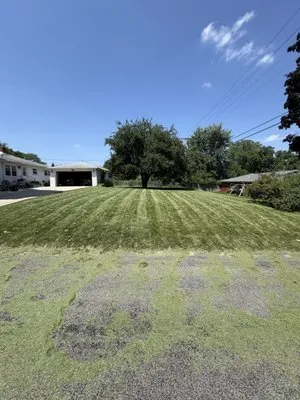
T&G Landscaping is a trusted local landscaping company serving Cottage Grove, WI homeowners. We specialize in landscape design, maintenance, and lawn care to address common local challenges like lawn ...

Green Edge Landscaping is a Madison, WI-based company specializing in comprehensive landscaping and tree services to enhance outdoor spaces for local homeowners. We address common local issues like so...
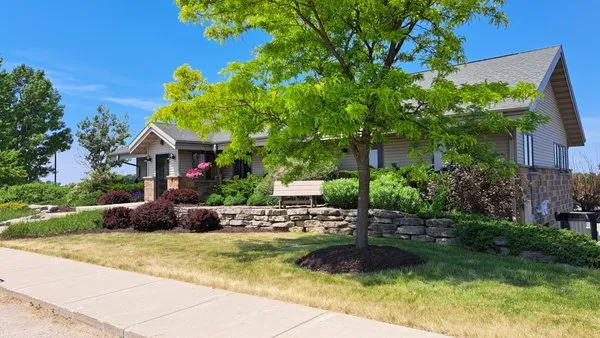
Cutting Edge Lawn Services is a locally owned and operated lawn care and snow removal provider serving Cambria, WI, and surrounding areas like Beaver Dam, Waupun, and Columbus. Licensed and insured, t...
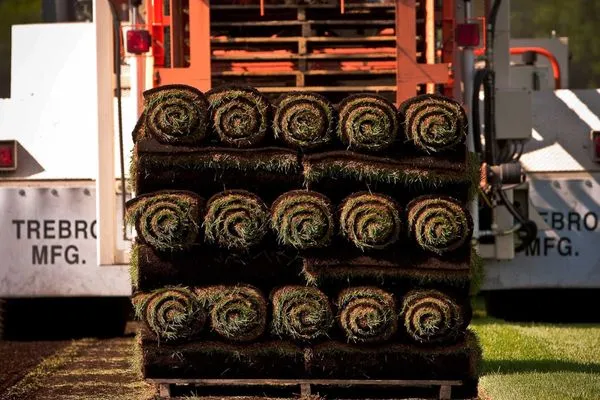
Skalitzky Sod Farms, L.L.C. has been Waterloo's trusted source for premium turf and landscaping supplies since 1998. As a family-owned sod farm, we specialize in high-quality Kentucky Bluegrass sod, a...
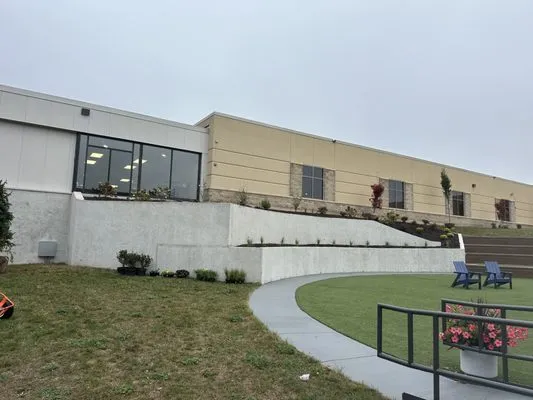
Adrian's Landscaping Inc. has been serving Beloit and Rock County since 2011, providing reliable landscaping and snow removal services. We specialize in comprehensive property care, including hardscap...
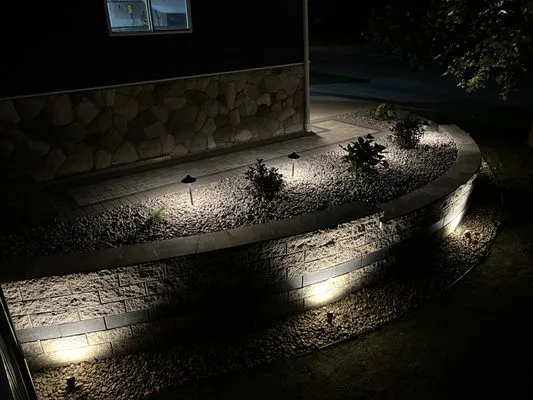
Nacho Landscaping/Hardscaping & Lawn Care
Nacho Landscaping/Hardscaping & Lawn Care is a Janesville-based outdoor service provider specializing in transforming local properties. We approach each project with a focus on practical design and du...
T'nT Hauling is a Stoughton-based service provider specializing in junk removal, handyman tasks, and landscaping. We help local residents and businesses with everything from appliance installations an...
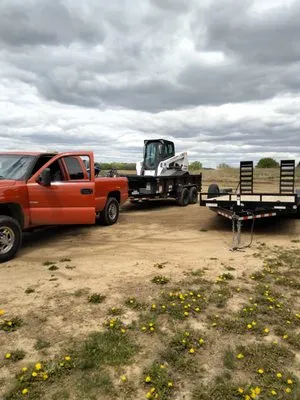
Early Morning Landscapes is a Madison-based, full-service outdoor company helping homeowners achieve resilient and beautiful yards. We understand the unique challenges of our climate, from storm-damag...

From the GroundUP LawnCare
From the GroundUP LawnCare is a trusted, full-service provider serving homeowners in Fall River, WI. We specialize in creating and maintaining healthy, beautiful outdoor spaces year-round. Understandi...
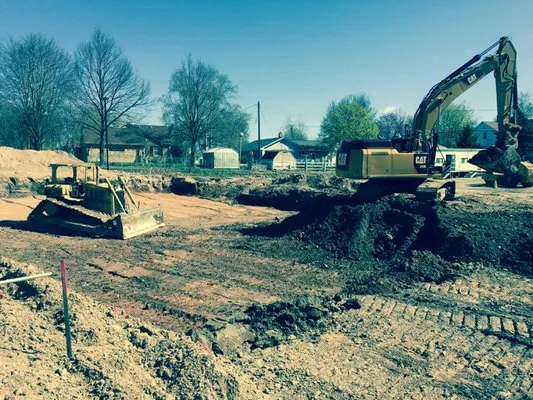
Forest Landscaping & Construction
Forest Landscaping & Construction, Inc. has been a cornerstone of the Lake Mills, WI community since 1992, providing reliable excavating, construction, and landscaping services across Jefferson, Dodge...
Estimated Landscaping Service Costs in Fall River, WI
Common Questions
Are crushed limestone and concrete pavers better than wood for durability and safety?
Crushed limestone with concrete paver surfaces provides 25+ year longevity versus wood's 10-15 year lifespan in Zone 5a freeze-thaw cycles. These non-combustible materials maintain Fall River's Low Fire Wise rating by creating defensible space without organic fuel sources. Properly installed with geotextile barriers, they resist frost heave better than timber while allowing necessary soil gas exchange.
What permits and licenses are needed for regrading my property?
Columbia County Planning & Zoning requires erosion control permits for any grading affecting more than 1,000 square feet on 0.25-acre lots. Contractors must hold Wisconsin Department of Safety and Professional Services landscaping licenses for earth moving exceeding 50 cubic yards. These regulations ensure proper drainage patterns that don't exacerbate neighborhood infiltration issues or violate state sediment control statutes.
My Fall River lawn seems compacted and drains poorly. Is this typical for Downtown Fall River properties?
Downtown Fall River lots built around 1995 have 31-year-old soil profiles. The prevalent silt loam (pH 6.5-7.2) tends to compact over decades, reducing permeability and creating seasonal water table issues. Core aeration every 2-3 years with organic amendments like composted leaf mold improves soil structure and microbial activity. This addresses the poor infiltration common in established neighborhoods without altering the native pH balance.
We need emergency storm debris cleanup to meet HOA compliance deadlines. What's your fastest response time?
Our electric maintenance fleet can dispatch from Fall River Village Hall via WI-16 within 20-30 minutes during peak conditions. This routing avoids residential noise ordinance restrictions (9:00 PM to 7:00 AM) while providing rapid debris removal. We prioritize safety assessments before cleanup operations, particularly for compromised trees or hardscape damage on standard 0.25-acre lots.
Our yard floods during spring thaws. What drainage solutions work with Fall River's soil conditions?
Seasonal high water tables in silt loam soils require subsurface French drains or dry wells to improve infiltration. Permeable crushed limestone bases under concrete pavers meet Columbia County Planning & Zoning runoff standards by allowing 8-12 inches per hour permeability. These systems redirect water from foundations while maintaining the soil's natural 6.5-7.2 pH range through proper aggregate selection.
How should I treat invasive species without using restricted fertilizers?
For common invasives like garlic mustard or buckthorn, mechanical removal before seed set combined with targeted glyphosate applications avoids phosphorus-containing fertilizer violations. Treatment windows align with early growth phases (April-May) when natives are dormant. Always verify with Wisconsin Department of Agriculture regulations, as some biological controls require specific licensing for application on 0.25-acre residential properties.
What low-maintenance alternatives exist for traditional lawn areas?
Transitioning to Purple Coneflower, Little Bluestem, Swamp Milkweed, and Wild Bergamot reduces mowing frequency from weekly to seasonal maintenance. These natives establish deep root systems that stabilize silt loam soils while providing habitat connectivity. Electric equipment meets 2026 noise ordinance requirements for gas-blower restrictions, creating quieter neighborhoods with higher biodiversity value.
How can I maintain Kentucky Bluegrass and Fine Fescue turf while practicing water conservation?
Smart Wi-Fi soil moisture sensor controllers optimize irrigation by tracking evapotranspiration rates and soil percolation. These systems apply water only when the root zone moisture drops below 50% capacity, typically reducing usage 30-40% while preserving turf health. Despite Fall River's voluntary conservation status, this technology prevents overwatering that exacerbates the area's seasonal high water table conditions.
