Top Landscaping Services in Evergreen, WI, 54801 | Compare & Call

There are 107 landscaping companies server in Evergreen WI
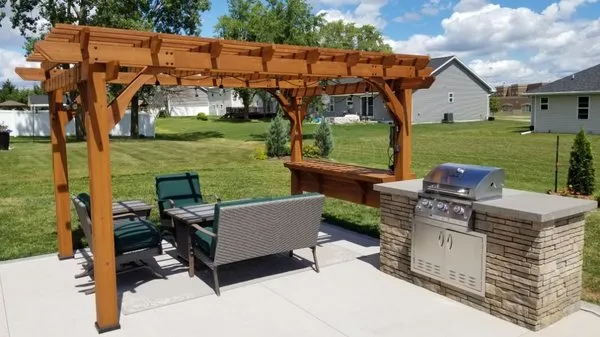
Landscape Medics is a Green Bay-based landscaping company founded in 1994 by owner-operator Tony Kiiskila, CLT, CSA, MG. With over 25 years of experience serving Northeast Wisconsin, Tony brings deep ...
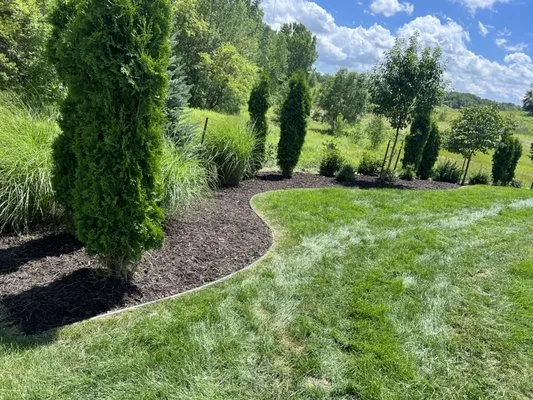
TNT Landscape and Property Maintenance
TNT Landscape and Property Maintenance is a locally-owned landscaping and excavation company serving Casco, WI, and surrounding areas. We specialize in transforming outdoor spaces with services rangin...
Superior Landscaping is a locally owned and operated business in Ashwaubenon, WI, founded in 2023 by a passionate professional dedicated to transforming outdoor spaces. We specialize in landscaping, m...
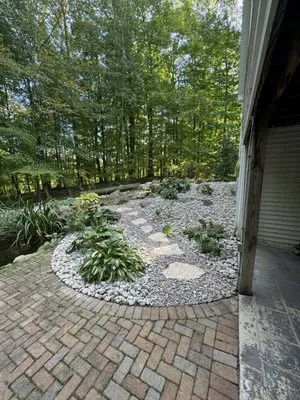
JG Property Works is a full-service landscaping, excavation, and tree care company serving Sobieski and surrounding communities. We specialize in transforming properties through comprehensive services...
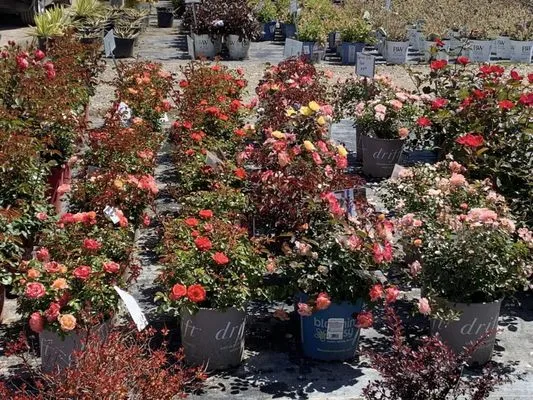
Willems Landscape Service has been a trusted landscaping partner for De Pere and the Greater Green Bay area for over 50 years. As a family-owned business with deep local roots, we understand the uniqu...
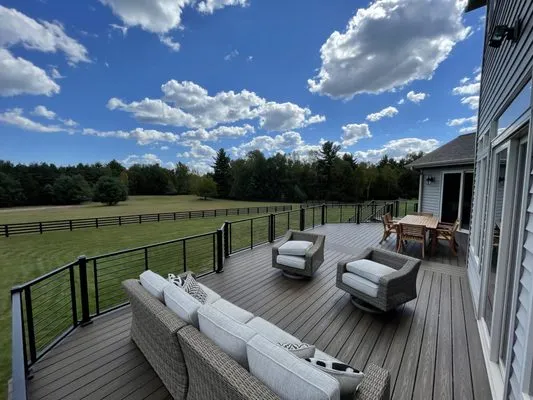
Dave Van Rite Construction
Dave Van Rite Construction, LLC, a family-owned and operated business serving Green Bay since 1988, brings over 45 years of construction expertise to every project. Founded by Dave Van Rite, the compa...
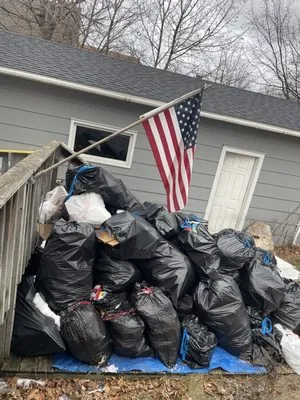
Leo's Junk Removal is a family-operated service based in Algoma, WI, specializing in junk removal, hauling, and lawn care for residents and businesses across Green Bay, De Pere, Kewaunee County, and D...
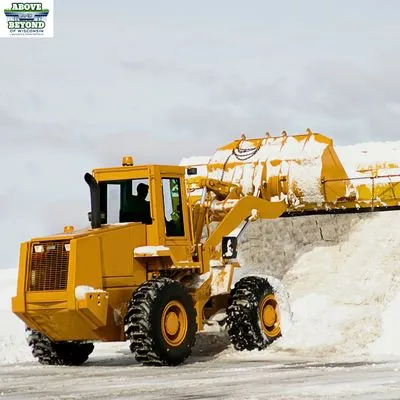
Above and Beyond of Wisconsin is a family-owned and operated business that has served Northeast Wisconsin since 1998. Based in Green Bay, they specialize in comprehensive year-round grounds maintenanc...
Turf Pro Lawncare & Snow Removal
Turf Pro Lawncare & Snow Removal is a locally owned and operated Green Bay business established in 1993. For over 20 years, we've been dedicated to maintaining and enhancing the outdoor spaces of both...
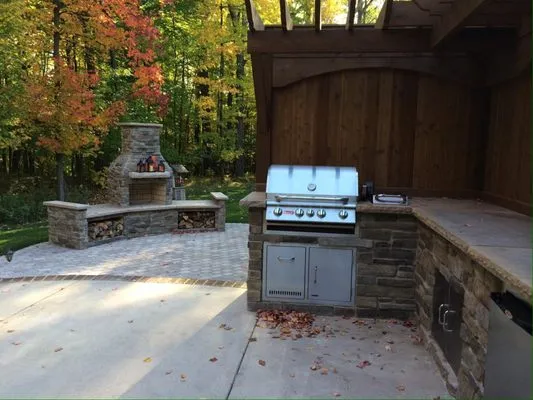
Proscape Lawn Care & Landscaping is a licensed and insured landscaping company based in Pulaski, WI, serving residential and commercial clients across Brown, Door, Oconto, Outagamie, and Shawano Count...
Estimated Landscaping Service Costs in Evergreen, WI
Question Answers
What solutions address seasonal saturation in Evergreen's clay-heavy soils?
Permeable concrete pavers installed with 40% void spaces and 12-inch gravel bases achieve 8 inches per hour infiltration rates, exceeding Department of Community Development runoff standards. French drains with non-woven geotextile fabric prevent silt loam clogging while intercepting water at 18-inch depths. Grading plans directing flow to rain gardens with Andropogon gerardii provide secondary absorption capacity. These systems mitigate the high seasonal saturation characteristic of glacial till compaction zones.
Are permeable pavers better than wood decking for Evergreen's climate?
Permeable concrete pavers maintain structural integrity for 25+ years versus wood's 12-year lifespan in Zone 5a freeze-thaw cycles. Their non-combustible composition supports the Low Fire Wise rating requirements for urban-suburban interfaces, creating 30-foot defensible space. Installation over 6-inch compacted aggregate bases prevents frost heave damage common with wood posts. Thermal mass properties reduce urban heat island effect while managing runoff through 0.25-inch joint spaces filled with angular gravel.
What permits and licenses are required for grading my 0.35-acre property?
The Evergreen Department of Community Development requires erosion control permits for any grading disturbing over 1,000 square feet. Wisconsin DSPS licensing mandates certified professionals for projects moving more than 50 cubic yards of material, which typical 0.35-acre lots often exceed. Stormwater management plans must demonstrate post-construction permeability rates matching pre-development conditions. Bonding requirements apply when work affects property lines or exceeds 18-inch cut/fill differentials.
How quickly can you respond to storm damage for HOA compliance in Evergreen?
Emergency cleanup crews dispatch from the Evergreen Civic Center using US-41 for arterial access, maintaining 25-35 minute response during peak conditions. We prioritize downed limb removal and debris staging to meet 72-hour municipal cleanup ordinances. Equipment includes electric chippers meeting the 8:00 AM noise ordinance threshold while processing 4-inch diameter material. Routing algorithms account for US-41 construction zones to maintain service windows.
How do I manage invasive species without violating fertilizer regulations?
Early-season identification of garlic mustard and buckthorn before seed set in mid-April allows mechanical removal without herbicides. Soil testing determines precise nitrogen requirements, avoiding phosphorus applications prohibited by state law. Mycorrhizae inoculants applied during spring planting establish symbiotic relationships that suppress invasive germination. Treatment schedules align with Department of Agriculture blackout dates while using organic amendments to maintain 6.5 pH balance.
Should I replace traditional turf with native plants to reduce maintenance?
Transitioning 30% of turf to Monarda fistulosa and Asclepias tuberosa stands reduces mowing frequency 60% while providing continuous bloom from June to September. These deep-rooted natives access water at 24-inch depths, eliminating irrigation needs after establishment. Electric maintenance equipment meets noise ordinance requirements while avoiding gas blower restrictions. Echinacea purpurea plantings increase pollinator habitat density to 3 species per square meter, exceeding 2026 biodiversity benchmarks.
Why does my Evergreen Heights lawn struggle with compaction and poor drainage despite regular care?
Evergreen Heights properties built around 1978 have soil systems approximately 48 years old. The slightly acidic silt loam common here develops glacial till compaction over decades, reducing permeability to 0.5 inches per hour. Core aeration with 3-inch depth spacing introduces oxygen channels while incorporating composted leaf mold addresses pH stabilization at 6.5. This combination breaks up subsurface pans that restrict root development beyond 4 inches.
Can smart irrigation systems maintain healthy turf during Stage 1 water restrictions?
Wi-Fi soil-moisture sensors programmed to 30% volumetric water content thresholds preserve Kentucky Bluegrass and Fine Fescue blends while reducing consumption 35%. These systems reference evapotranspiration data from the Milwaukee weather station, adjusting runtime before municipal peak demand periods. Deep watering cycles at 5:00 AM achieve 6-inch root penetration while staying within voluntary conservation guidelines. Weekly audits prevent runoff on compacted glacial till substrates.
