Top Landscaping Services in Evansville, WI, 53536 | Compare & Call

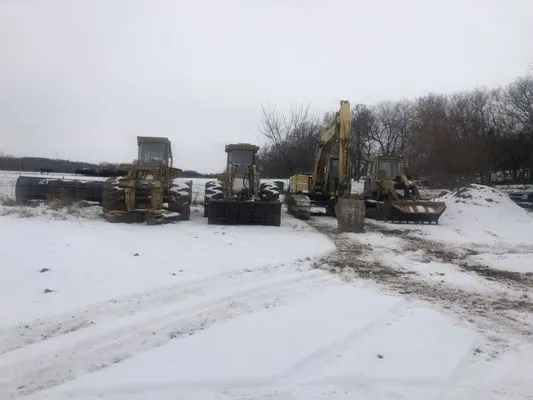
Sonland is a full-service landscaping and site development company serving Evansville, WI, and the surrounding area. We specialize in transforming challenging outdoor spaces into beautiful, functional...
Pleasant Prairie Greenhouse Urban Landscaping
Pleasant Prairie Greenhouse Urban Landscaping is a trusted, full-service resource for gardeners and homeowners in Evansville, Brodhead, and Albany, Wisconsin. With three convenient locations—16907 W C...
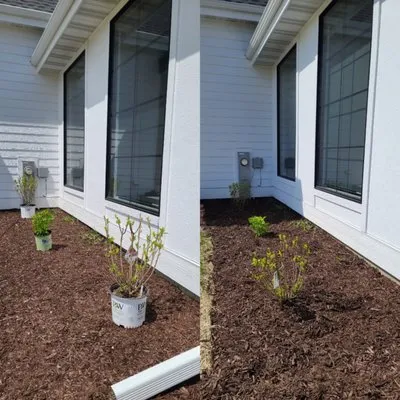
Sturgeon Company LLC is a trusted landscaping and excavation provider serving Evansville, Wisconsin, and surrounding areas. Founded in 2006 by Tye Sturgeon with a small push mower and a commitment to ...
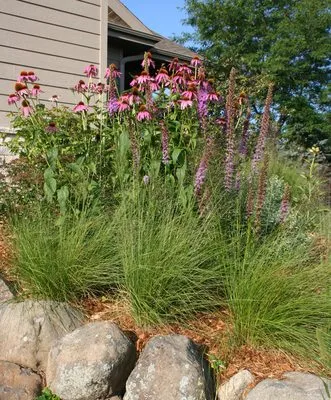
Formecology, based in Evansville, WI, is a sustainable landscape design, build, and care firm led by licensed landscape architect John J Gishnock III. With over 27 years of combined industry experienc...
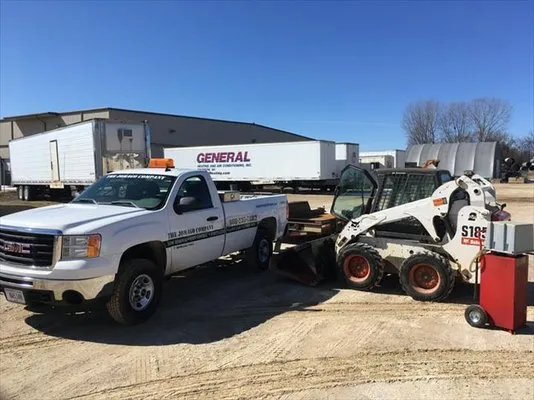
The Jomago Company
The Jomago Company is a state-licensed landscaping and property care specialist serving the Evansville community and surrounding areas. Established in 2015, we bring over 30 years of combined industry...

Norse Lawn Service in Evansville, WI, is a trusted local provider specializing in snow removal, lawn care, and gutter services. We help Evansville homeowners maintain healthy, resilient landscapes yea...
Liberty Lawn and Maintenance is your trusted, full-service landscaping partner in Evansville, WI. We specialize in comprehensive solutions that keep your property beautiful and healthy year-round, fro...
Yard Envy began with a simple passion for gardening. For the owner, it's more than a job—it's a personal commitment to transforming outdoor spaces. By keeping the operation small and family-run, with ...
Hurleys New Lawns is a trusted, local provider of comprehensive outdoor care services for Evansville, WI, and the surrounding area. We specialize in lawn care, snow removal, and tree services, offerin...
Common Questions
Our Historic Downtown Evansville home was built in 1976—what should we know about our soil after 50 years?
Fifty years of development have compacted the native silt loam soil, reducing permeability and creating a dense layer that restricts root growth. This soil type naturally holds moisture but becomes anaerobic when compacted, limiting oxygen availability to turf and plant roots. Core aeration every 1-2 years is essential to improve soil structure and incorporate organic amendments like compost. Without this intervention, water infiltration decreases and frost heave risks increase during winter freeze-thaw cycles.
What low-maintenance alternatives can replace high-water turf while complying with upcoming noise restrictions?
Transitioning to native plantings like Purple Coneflower, Butterfly Milkweed, Little Bluestem, and Wild Bergamot reduces maintenance frequency by 60-80%. These deep-rooted perennials require no gas-powered equipment once established, aligning with electric fleet transitions and noise ordinance considerations. Native plant communities support local pollinators while needing minimal irrigation after the first growing season. This approach creates a resilient landscape that adapts to USDA Zone 5b conditions without chemical inputs.
What invasive species should Evansville homeowners monitor, and how do we treat them within phosphorus ban regulations?
Garlic mustard, buckthorn, and Japanese knotweed pose significant threats in Wisconsin's Zone 5b, outcompeting native vegetation. Manual removal before seed set is most effective for small infestations, while targeted herbicide applications require careful timing outside of new lawn establishment periods. The statewide phosphorus ban prohibits most fertilizer applications except during initial turf establishment, making organic soil amendments the preferred nutrient source. Regular monitoring near property edges and natural areas prevents invasive spread.
We need emergency storm cleanup to meet HOA compliance—how quickly can you respond to our Historic Downtown location?
Our dispatch routes from Leonard-Leota Park via WI-14 typically reach Historic Downtown Evansville within 20-30 minutes for urgent service calls. We maintain electric-powered equipment fleets that operate within the 9:00 PM to 7:00 AM noise ordinance restrictions. For immediate debris removal after severe weather events, we prioritize properties with safety hazards or imminent compliance deadlines. This routing efficiency ensures we can address fallen branches or drainage blockages before they escalate.
Should we use crushed limestone or wood for our new patio, considering durability and fire safety requirements?
Crushed limestone and concrete pavers offer superior longevity with minimal maintenance compared to wood, which requires regular treatment and replacement. In Evansville's Low Fire Wise Rating urban interface, non-combustible materials create defensible space by reducing fuel loads near structures. Permeable hardscape installations using crushed limestone improve water infiltration rates by 30-50% over solid surfaces. These materials withstand freeze-thaw cycles better than wood, maintaining structural integrity through Wisconsin winters.
What permits and licensing are required for regrading our 0.22-acre lot in Evansville?
Grading projects altering more than 100 square feet require an erosion control permit from the Evansville Building Inspection & Zoning Department. Contractors must hold appropriate licensing through the Wisconsin Department of Safety and Professional Services, particularly for work affecting drainage patterns or structural foundations. On 0.22-acre urban lots, even minor elevation changes can impact neighboring properties, necessitating professional surveys. Proper documentation ensures compliance with municipal runoff standards and prevents future liability issues.
We have persistent wet spots and frost heave issues—what drainage solutions work best with Evansville's silt loam soil?
Seasonal frost heave and saturated clay pockets in silt loam require subsurface drainage systems with proper permeability. Installing French drains with washed gravel and perforated pipe at critical low points redirects water away from foundations. For hardscape areas, crushed limestone offers better permeability than solid concrete, meeting Evansville Building Inspection & Zoning Department runoff standards. Grading adjustments that create a 2% slope away from structures prevent water accumulation during spring thaw periods.
How do we maintain our Kentucky Bluegrass and Fine Fescue lawn during dry spells without violating water conservation guidelines?
Wi-Fi ET-based weather sensing irrigation systems automatically adjust watering schedules based on real-time evapotranspiration data and soil moisture levels. This technology reduces water usage by 20-40% compared to traditional timer systems while maintaining turf health. During voluntary conservation periods, the system prioritizes deep, infrequent watering that encourages deeper root growth. Programming specific zones for different sun exposures and soil conditions further optimizes water distribution across your 0.22-acre property.
