Top Landscaping Services in Elroy, WI, 53929 | Compare & Call

There are 22 landscaping companies server in Elroy WI

Yard Effects Landscaping, L.L.C. has been a trusted provider of comprehensive outdoor services for Elroy and the surrounding areas since 2009. We specialize in both residential and commercial projects...

Landscape LOGiQ is a local, family-owned landscaping and snow removal service based right here in Baraboo. We understand the unique challenges of South Central Wisconsin's seasons, from keeping drivew...
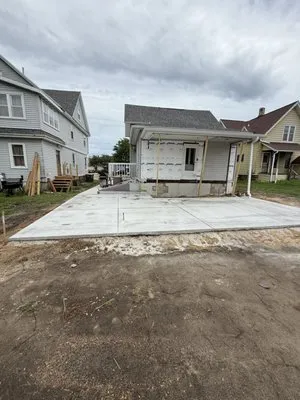
KCV Construction and Land Services
KCV Construction and Land Services is a veteran-owned company serving Prairie Du Sac and the surrounding area. We bring a disciplined, hands-on approach to a wide range of outdoor and site work projec...
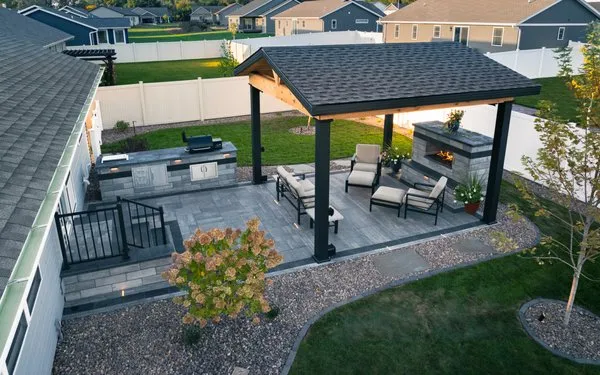
Phillips Outdoor Services
Phillips Outdoor Services has been enhancing outdoor living spaces in Onalaska, WI, since 1975. Starting from humble beginnings with chain link fence installations, we've grown into a trusted provider...
Pest Badger is your local, trusted partner for pest control, wildlife removal, and lawn services in La Crosse, WI. We understand the unique challenges of our area, including how shifting rock gardens ...
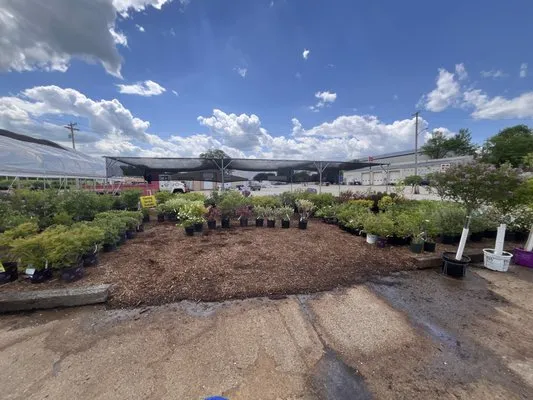
New Era Nursery
Nestled in the scenic Kickapoo River Valley, New Era Nursery serves the Hillsboro, LaFarge, and Ontario communities from its country greenhouse. Our mission is to be 'Beyond All Expectations,' providi...

Lawn Mowing by Scott is a professional lawn care company serving Sparta and Monroe County, Wisconsin. With over 40 years of experience, Scott and his team provide reliable lawn mowing and maintenance ...

AX Head Tree Service and Landscaping
AX Head Tree Service and Landscaping is your trusted, locally owned partner in Nekoosa for comprehensive outdoor care. We specialize in tree services, from expert pruning and safe removal to disease m...
Advanced Outdoor Services provides expert landscaping and tree care to homes and businesses across Wisconsin Dells, WI. We understand the unique challenges local properties face, from persistent mulch...

NaturaLawn of America in Middleton, WI, is a locally operated lawn care and pest control service dedicated to providing organic-based solutions for homeowners. Founded in the late 1980s with a focus o...
Estimated Landscaping Service Costs in Elroy, WI
FAQs
Do I need a permit to regrade my yard or build a small patio?
Yes, significant grading that alters water runoff patterns or any permanent hardscape installation typically requires a permit from the Juneau County Zoning Department. For a 0.25-acre lot, the scale of earth movement can impact drainage for neighboring properties. Furthermore, contracting for this work requires a professional licensed through the Wisconsin Department of Safety and Professional Services, ensuring they carry proper insurance and adhere to state codes like NR 151.
Our yard gets soggy in spring and heaves in winter. What's the cause and solution?
This indicates a seasonal high water table compounded by frost heave, a common issue in Elroy's silt loam soils due to their moderate drainage rate. Solutions include regrading to direct water away from foundations and installing French drains. For patios or walkways, using permeable crushed limestone or concrete pavers can increase surface infiltration, helping meet Juneau County Zoning Department standards for stormwater management.
Our lawn looks tired. Is this normal for a house built in the 1950s?
Yes, soil compaction and nutrient depletion are typical for residential lots around Elroy City Center from that era. Soil maturity is calculated from the construction date; your 72-year-old silt loam soil likely suffers from reduced permeability and organic matter below the root zone. A soil test is advised, but core aeration and top-dressing with compost are standard treatments to restore structure and biological activity in this pH 6.2-6.8 range.
A storm damaged trees and scattered debris. What's the fastest way to get a cleanup crew here?
For emergency storm response, a crew can dispatch from the Elroy Commons Park depot and use WI-82 for direct access to your neighborhood. Our target arrival is within 20-30 minutes during peak periods. The priority is to clear hazards like hanging limbs to secure the property, followed by systematic debris removal, ensuring all work complies with the local 7:00 AM to 9:00 PM noise ordinance for power equipment.
How can I keep my Kentucky Bluegrass lawn healthy without overwatering?
Using a smart Wi-Fi soil moisture sensor controller is the most effective method. These devices schedule irrigation based on actual evapotranspiration (ET) and soil conditions, not just a timer. This approach delivers precise hydration to your Bluegrass and Fescue mix, conserving significant water while maintaining turf health. Even without mandatory restrictions, this technology aligns with Wisconsin's standard conservation guidelines and prevents runoff.
What invasive plants should I watch for, and how do I remove them safely?
Common invasive alerts for this area include Garlic Mustard and Buckthorn. Manual removal for young plants and careful, targeted herbicide application for established stands are effective. Any treatment must adhere to Wisconsin's NR 151 phosphorus runoff restriction, meaning phosphorus-free fertilizers and avoiding application before predicted rainfall. Proper disposal of plant material is crucial to prevent re-establishment.
Is crushed limestone or wood better for a new garden path?
Crushed limestone is superior for longevity and permeability in Zone 4b. It provides a stable, well-draining surface that resists frost heave damage better than wood, which rots and requires replacement. For properties in Elroy's Moderate Wildland-Urban Interface zone, non-combustible materials like limestone also contribute to defensible space by reducing flammable fuel immediately around your home, a key fire-wise landscaping principle.
I'm tired of weekly mowing. Are there lower-maintenance options?
Replacing high-input turf with a native plant community is a strategic, long-term solution. Species like Purple Coneflower, Butterfly Milkweed, Little Bluestem, and Wild Bergamot are adapted to Zone 4b and require no mowing, minimal water, and no synthetic fertilizers. This conversion also future-proofs your landscape against evolving noise ordinances that may restrict gasoline-powered blowers and mowers, shifting maintenance to quieter, electric methods.
