Top Landscaping Services in Edgar, WI, 54426 | Compare & Call

There are 26 landscaping companies server in Edgar WI
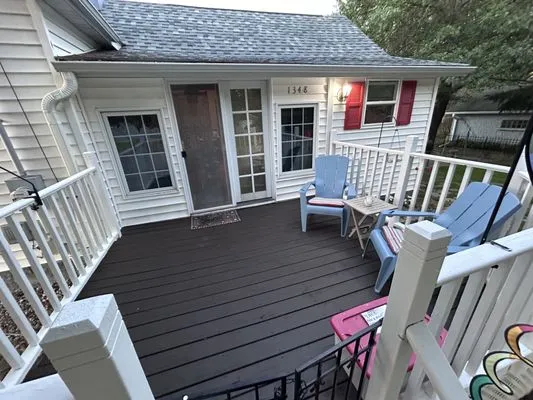
Ranger Subcontracting is your trusted local contractor in Antigo, WI, specializing in comprehensive carpentry, painting, and landscaping services. From interior drywall repairs and painting to buildin...
Carl's Landscape Service
Carl's Landscape Service has been the trusted name for complete landscape solutions in Central Wisconsin since 1975. As the region's first full-service landscape company, we specialize in comprehensiv...
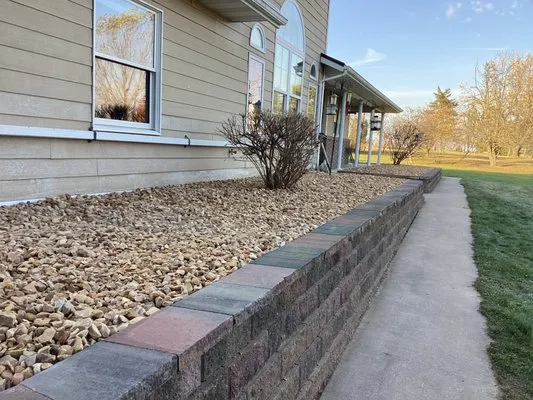
Cruz’s Landscaping And Excavating
Cruz’s Landscaping And Excavating is a family-owned and operated business founded by three brothers in Abbotsford. With a combined 30 years of experience gained working for various employers in the ar...
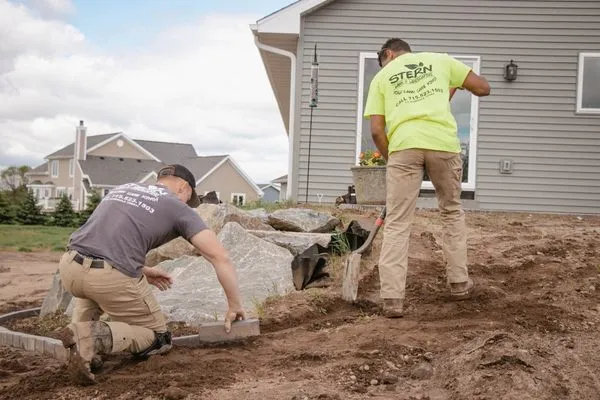
Stern Lawn N' Landscaping is a Wausau-based contractor specializing in comprehensive landscaping and masonry solutions for Central Wisconsin homes. We understand that local property owners often face ...
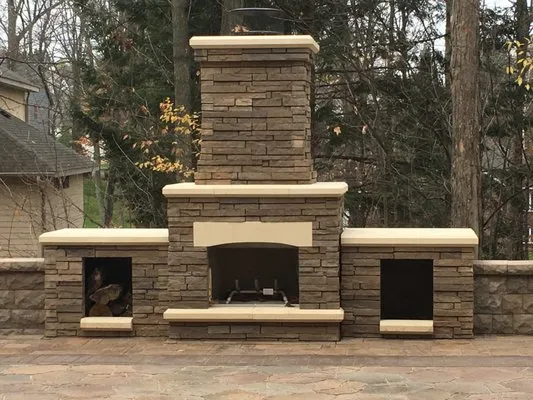
Landscape Solutions by Susan Murphy Jones
Susan Murphy Jones of Landscape Solutions brings over 25 years of expertise to Wausau, blending her formal training in art history and interior design with landscape architecture. An award-winning des...
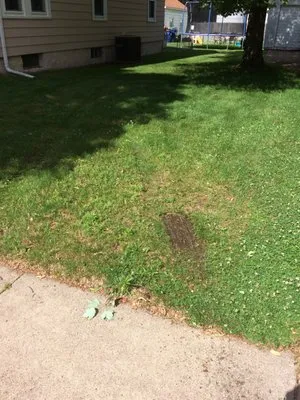
R & R Landscaping
R & R Landscaping has been a trusted provider of tree services and landscaping in Mosinee, Wisconsin, for over 30 years. As a full-service company, we specialize in landscape design, maintenance, tree...
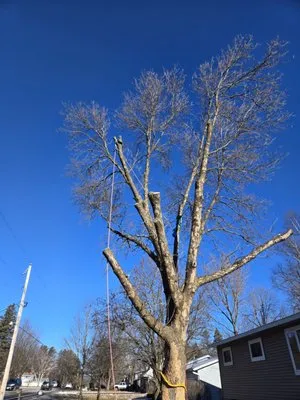
Albright Enterprises
Albright Enterprises is a fully insured, local landscaping service provider based in Rib Mountain, serving the greater Wausau, Wisconsin area. We offer a comprehensive range of outdoor solutions tailo...
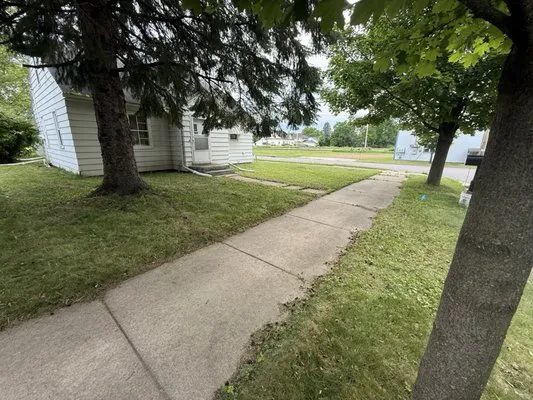
Jerzak Lawn Care is a dedicated local lawn service provider in Wausau, WI, specializing in restoring and maintaining healthy, vibrant lawns. We understand the specific challenges Wausau homeowners fac...
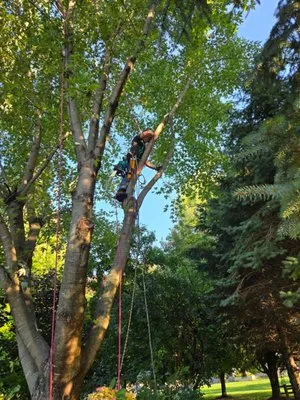
Marks Tree Removal and Landscaping is a dedicated, local provider serving Wisconsin Rapids and the surrounding areas with a comprehensive range of tree and shrub care services. We specialize in diagno...
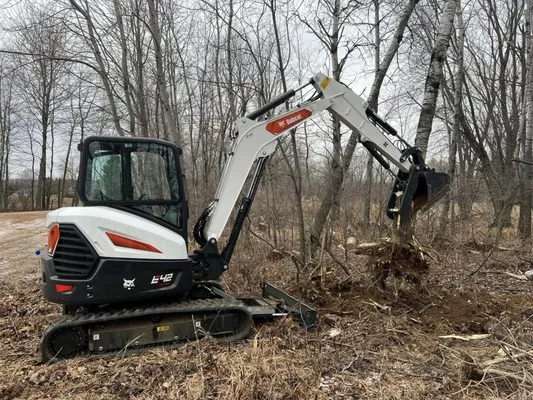
I'm a local business owner who grew up in Marshfield with a dream of building something of my own. After graduating high school, I spent six years in the trades, including five years traveling with Le...
Estimated Landscaping Service Costs in Edgar, WI
Q&A
Are concrete pavers and crushed granite better than wood for Edgar's climate?
Concrete pavers and crushed granite offer superior longevity compared to wood in Edgar's Zone 4b climate with freeze-thaw cycles. These materials withstand frost heave better than wooden structures and require minimal maintenance. For properties concerned with fire safety, these non-combustible materials contribute to defensible space around structures, though Edgar currently has a low fire-wise rating. The thermal mass of concrete can also moderate temperature fluctuations in adjacent planting beds.
What are my options for reducing lawn maintenance while supporting local ecology?
Transitioning from high-maintenance turf to native plantings like Purple Coneflower, Wild Bergamot, Little Bluestem, and Swamp Milkweed creates a resilient landscape. These species require minimal watering once established and provide essential habitat for pollinators. This approach aligns with evolving noise ordinances that increasingly restrict gas-powered equipment, as native plantings need less frequent mowing and blowing. The transition also supports Edgar's biodiversity goals while reducing long-term maintenance costs.
How quickly can you respond to an HOA violation notice for overgrown vegetation?
Emergency cleanup crews can typically reach Edgar Village Center properties within 20-30 minutes during standard conditions. The dispatch route originates near Edgar Village Hall, proceeds east on local roads to access WI-29, then follows direct routes to your neighborhood. During peak winter conditions or storm events, this response time represents the maximum expected delay. Crews coordinate arrival to comply with the 7:00 AM to 9:00 PM noise ordinance restrictions.
How should I handle invasive species without harming my existing plants?
Common invasive threats in Zone 4b include garlic mustard and buckthorn, which compete with native vegetation. Treatment should focus on mechanical removal or targeted herbicide applications during active growth periods. These methods avoid violating Wisconsin's phosphorus restrictions on turf fertilizer, as they don't involve soil amendments. Timing is critical—early intervention prevents seed set and reduces future management needs. Always verify treatment windows don't conflict with any local application blackout dates.
Why does my Edgar lawn have such poor drainage and compaction issues?
Edgar Village Center properties built around 1979 have soil that has matured for approximately 47 years. This extended timeline with standard construction practices has led to significant compaction in the silt loam soil, which naturally has moderate permeability. The pH range of 6.2-6.8 indicates adequate acidity for most plants but doesn't address the physical structure degradation. Core aeration with organic amendments like compost is essential to restore pore space and microbial activity in these established landscapes.
How do I maintain my Kentucky Bluegrass and Fine Fescue mix without wasting water?
Smart Wi-Fi soil moisture sensor controllers provide precise irrigation management for Edgar's turf standards. These systems monitor actual soil conditions rather than operating on fixed schedules, adjusting watering based on evapotranspiration rates and precipitation. While Edgar currently has no formal water restrictions, this technology typically reduces municipal water consumption by 30-40% while maintaining optimal soil moisture for grass health. The controllers can be programmed to avoid runoff during high water table periods common in spring.
What permits and licenses are needed for regrading my quarter-acre property?
Grading work on a 0.25-acre lot in Edgar typically requires approval from the Marathon County Planning & Zoning Department, especially if it alters drainage patterns or involves significant earth moving. Contractors must hold appropriate licensing through the Wisconsin Department of Safety and Professional Services, particularly for work affecting structural integrity or utility lines. The specific license category depends on the project scope—landscape contractors may need different credentials than excavation specialists. Always verify current requirements before commencing work.
What solutions work for seasonal water pooling and frost heave in my yard?
Silt loam soils in Edgar have moderate drainage capacity that becomes problematic with seasonal high water tables and frost heave cycles. Permeable hardscape materials like crushed granite or specially designed concrete pavers with wider joints allow water infiltration rather than surface runoff. These solutions help meet Marathon County Planning & Zoning Department standards for stormwater management. For severe cases, French drains or dry wells may be necessary to redirect subsurface water away from foundations and walkways.
