Top Landscaping Services in East Troy, WI, 53120 | Compare & Call
There are 163 landscaping companies server in East Troy WI
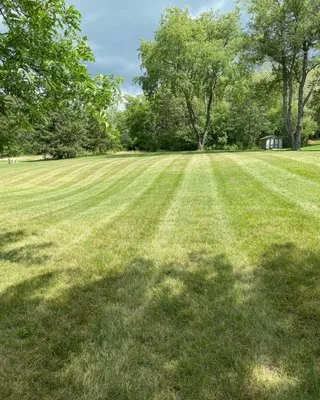
Garrett's Grass Services is your local Mukwonago lawn care specialist, dedicated to solving the common local problems of patchy grass and lawn drought stress. Serving the Mukwonago community, we under...
Hydro Turf Irrigation is your East Troy neighbor for creating and maintaining beautiful, healthy outdoor spaces. We specialize in expert irrigation and landscaping services tailored to our local clima...
Gedney Seasonal Service is a trusted, year-round landscape partner for East Troy, WI homeowners. We specialize in lawn care, snow removal, and tree care services to keep your property healthy and beau...
Estimated Landscaping Service Costs in East Troy, WI
Question Answers
We have a tree down after a storm and need immediate cleanup to meet HOA rules. How quickly can a crew arrive?
For emergency storm response, a crew can typically be dispatched within 30 minutes during peak hours. Our routing from the East Troy Village Square uses I-43 for the most direct access to Village Center neighborhoods, ensuring arrival within the 20-30 minute window. We prioritize securing the site and clearing debris to restore safety and compliance, with full removal and chipping scheduled for immediate follow-up.
Our yard stays soggy long after rain. What's causing this, and what's a lasting solution?
This is a classic symptom of the high seasonal water table and poor infiltration of the glacial till underlying our local silt loam soils. Surface water cannot percolate downward efficiently. A graded French drain system, directing water away from foundations, is often necessary. For new hardscapes, using permeable concrete pavers or an open-graded crushed limestone base can significantly increase surface infiltration and help meet Village stormwater runoff standards managed by the Building Inspector Office.
We're adding a patio. Are concrete pavers a better long-term choice than wood decking here?
For longevity and minimal maintenance in East Troy's climate, concrete pavers are superior to wood. They are impervious to rot, insect damage, and the freeze-thaw cycle when installed with a proper base. While East Troy has a low Fire Wise rating, non-combustible hardscapes like pavers or crushed limestone inherently contribute to defensible space. Their permeability, when installed correctly, also aids in managing the site's drainage challenges, offering a durable and functional solution.
Do we need a permit to regrade our backyard, and does the contractor need special licensing?
Yes, significant regrading on a 0.25-acre lot typically requires a permit from the East Troy Village Clerk/Building Inspector Office to ensure compliance with drainage and erosion control ordinances. Furthermore, the contractor must hold the appropriate licensing from the Wisconsin Department of Safety and Professional Services (DSPS). This state-level licensing verifies competency in excavation, soil mechanics, and adherence to code, which is crucial for work that alters water flow and could impact adjoining properties.
We see creeping Charlie and garlic mustard taking over garden beds. How do we control them safely?
These are persistent invasive species that outcompete desirable plants. For creeping Charlie in turf, a fall-applied broadleaf herbicide is most effective, timed when the plant is actively storing nutrients. Manual removal is best for garlic mustard before it sets seed. Crucially, all treatments must comply with Wisconsin's statewide phosphorus ban; ensure any product used is phosphorus-free. Always follow label instructions for targeted application to protect nearby native plants and soil biology.
We're tired of weekly mowing and gas equipment noise. Are there lower-maintenance, quieter options?
Transitioning high-input turf areas to a native plant community is a forward-thinking solution. Species like Purple Coneflower, Little Bluestem, and Prairie Dropseed are adapted to Zone 5b and require no mowing, minimal watering once established, and no phosphorus-based fertilizers. This shift reduces reliance on gas-powered blowers and mowers, aligning with trends toward quieter, electric maintenance fleets and proactively addressing potential future noise ordinance refinements.
Our lawn seems thin and compacted despite regular care. Is there a deeper issue with the soil in our neighborhood?
Homes built around 1990, common in East Troy Village Center, sit on immature topsoil over glacial till. Your Mequon-Beecher-Elliott Silt Loam likely has a dense, poorly aggregated structure after 35+ years, limiting root penetration and water infiltration. Core aeration in early fall is critical to relieve this compaction. Following aeration, amending with composted organic matter will improve soil tilth and microbial activity, establishing a healthier foundation for your turf or landscape plants.
How can we keep our Kentucky Bluegrass lawn healthy without wasting water or violating potential restrictions?
While East Troy is currently in Stage 0 with no water restrictions, efficient use is essential. Smart Wi-Fi soil moisture sensor controllers are the standard for precision. These systems irrigate based on actual evapotranspiration (ET) and soil permeability data, not a fixed schedule. This technology delivers water only when and where your turf needs it, maintaining the grass mix's health while conserving significant municipal water volume, keeping you well within any future regulatory limits.
