Top Landscaping Services in Dayton, WI, 54946 | Compare & Call
There are 151 landscaping companies server in Dayton WI
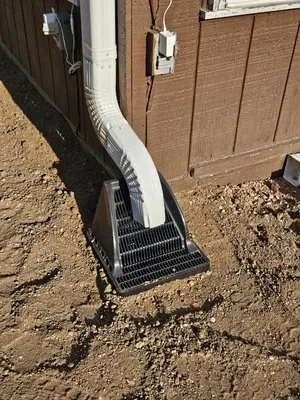
Kes Contracting
KES Contracting is a locally-owned and operated business serving Hobart and Northeast Wisconsin. We are a union-trained team with an A+ rating from the BBB, equipped to handle projects of any scale. O...
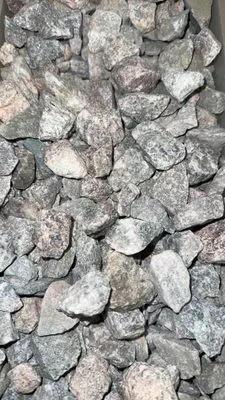
Kiel Sand & Gravel, Inc. has been a trusted local resource in Kiel, Wisconsin, since 1959. Starting as a supplier of Mason Sand to Sheboygan area contractors, we've grown to offer a comprehensive rang...

Brilliant Lawn & Landscape is a Brillion, Wisconsin-based family-owned landscaping and tree service company with over 40 years of combined experience. We specialize in comprehensive lawn and landscape...
Chappy's Chipping is a Pulaski-based lawn and tree care service dedicated to solving common local landscaping challenges. Many area homes struggle with yard drainage issues and patchy, unhealthy grass...

Safe Cut Tree Care is your trusted, full-service landscaping and tree care provider in Manawa, WI. We specialize in comprehensive tree services, from planting and pruning to safe removal and disease m...

Bj’s Landscape And Maintenance
Bj's Landscape and Maintenance in Shawano, WI, is a locally owned and operated business specializing in comprehensive outdoor care for all seasons. Founded by Brad, a landscaper with over a decade of ...
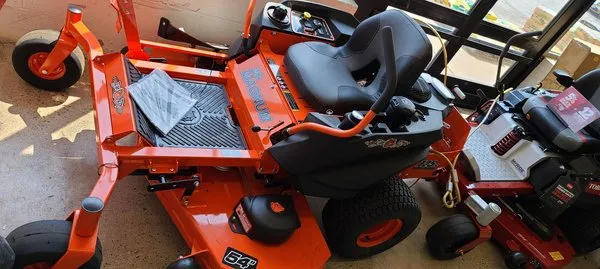
H & W Lawn Maintenance is a trusted, locally-owned provider serving Wild Rose, WI, and the surrounding area. We specialize in comprehensive lawn care, snow removal, and excavation services to keep you...
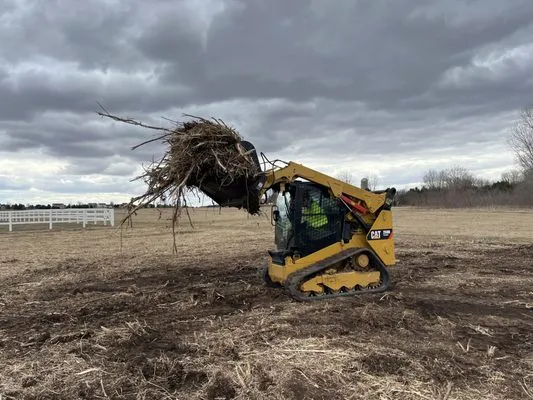
Bauman Grading and Landscaping is a locally owned and operated business serving Seymour, WI, and surrounding areas like Appleton. With years of experience in excavation and lawn services, we specializ...
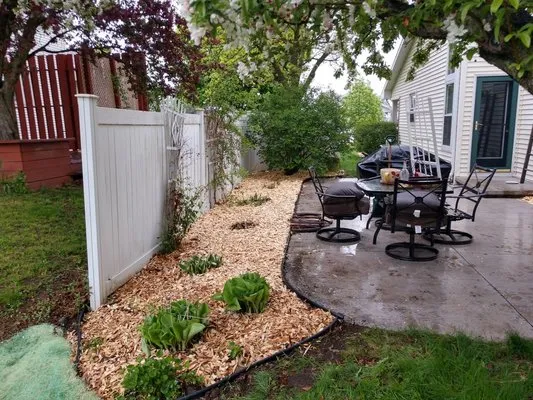
Wisconsin Maintenance Company, based in Shiocton, WI, is a locally owned and operated property maintenance business specializing in landscaping, painting, and pressure washing services. Founded by Ada...
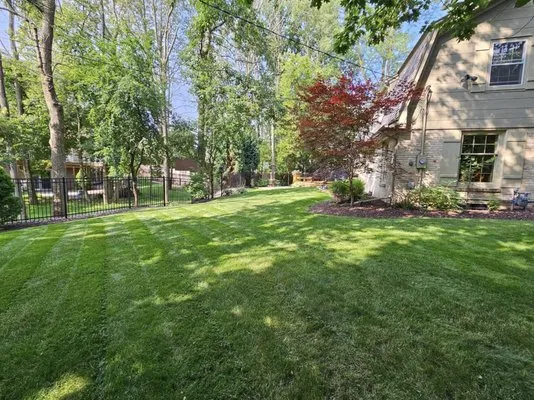
Premium Landscapes is a trusted, family-owned landscaping company proudly serving the Manitowoc community. We specialize in providing reliable, year-round property care, from comprehensive lawn mainte...
Estimated Landscaping Service Costs in Dayton, WI
Q&A
Do I need a permit to regrade my yard or install a drainage system?
Yes. Significant regrading or installing subsurface drainage on a 0.55-acre lot often requires review by the Waupaca County Planning and Zoning office to ensure compliance with erosion control and stormwater management ordinances. Furthermore, this work must be performed by or under the supervision of a professional licensed by the Wisconsin Department of Safety and Professional Services, as it involves altering the land's contour and water flow, which carries liability.
We have a major storm damage situation and need emergency tree cleanup to meet HOA compliance. How quickly can a crew arrive?
For emergency storm response, our crews dispatch from the Dayton Town Hall area. The primary route utilizes WIS-22 to reach most Dayton addresses. Under typical conditions, we schedule arrival within 45-60 minutes during peak response windows, prioritizing safety hazards and immediate access issues to facilitate swift compliance restoration.
Is natural fieldstone or pressure-treated wood better for a long-lasting patio or pathway?
Natural fieldstone offers superior longevity and permeability compared to wood, which will eventually rot and require replacement. In Dayton's climate, a properly installed fieldstone patio with a compacted crushed limestone base can last decades. This material also supports a higher Firewise rating for low-risk zones by creating a non-combustible, defensible space immediately adjacent to structures, unlike wooden decks.
How can I keep my Kentucky Bluegrass lawn healthy during the summer without violating water restrictions?
While Dayton is currently in Stage 0 with no active restrictions, proactive water conservation is standard. Installing a soil moisture sensor-based smart irrigation controller is the most effective method. This technology applies water only when the root zone of your turfgrass blend requires it, based on evapotranspiration (ET) data, preventing overwatering and aligning with municipal water stewardship goals.
I want to reduce mowing, watering, and gas-powered maintenance. What are my best options?
Transitioning high-input turf areas to a native plant community is the definitive solution. Species like Big Bluestem, Common Milkweed, Bergamot, and Black-eyed Susan are adapted to Zone 4b and require no irrigation or fertilization once established. This approach significantly reduces maintenance frequency, eliminates gas blower use during restricted hours (9:00 PM to 7:00 AM), and supports local biodiversity.
What are the most aggressive invasive plants here, and how do I remove them safely?
In the Dayton area, watch for invasive species like Garlic Mustard, Buckthorn, and Japanese Knotweed. Manual removal for smaller infestations is effective, ensuring the entire root system is extracted. For larger issues, targeted, professional-grade herbicide application may be necessary. All treatments must carefully avoid any drift onto turf to comply with Wisconsin's statewide phosphorus ban and are timed outside of critical growth periods for native plants.
My yard has persistent soggy areas long after rain. What's the cause and a lasting solution?
This is a common issue due to the region's seasonal high water table and the poor infiltration rate of our native silt loam soils. Surface grading alone is insufficient. A subsurface French drain system, tied to a dry well or daylighted outlet, is often required. For hardscape areas, using permeable crushed limestone can help meet Waupaca County Planning and Zoning standards for managing stormwater runoff on-site.
Why does my soil seem so compacted and tired, especially compared to newer neighborhoods?
Properties in the Dayton Residential District, with an average construction year of 1978, have soil profiles that are approximately 48 years old. Decades of standard lawn maintenance on the neutral to slightly acidic silt loam have depleted organic matter and reduced soil percolation. This compaction is typical for the area and necessitates core aeration paired with compost amendments to rebuild soil structure and water infiltration capacity.
