Top Landscaping Services in Como, WI, 53147 | Compare & Call
There are 119 landscaping companies server in Como WI
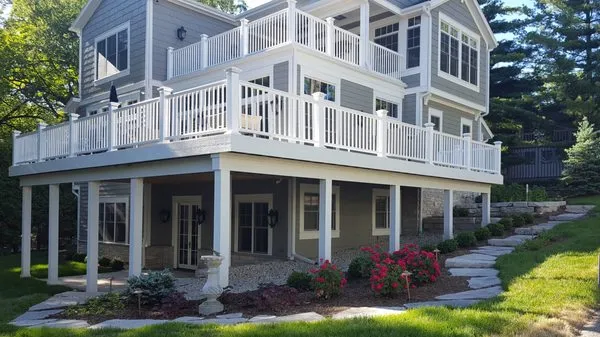
B&J Tree & Landscape Service
B&J Tree & Landscape Service is a Lake Geneva, Wisconsin institution. Founded as B&J Tree Service in 1959 by Dale Castleman's father, the family-operated business has grown under Dale's leadership sin...
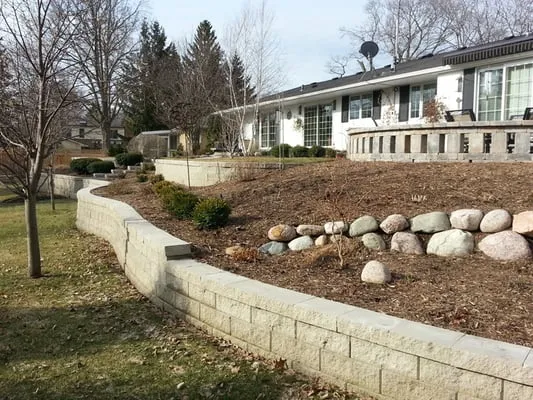
Burdick Lawn & Landscaping, L.L.C. has been the trusted local choice for landscaping and snow removal in Elkhorn and throughout Walworth County since 2005. As a fully insured provider, we bring over t...
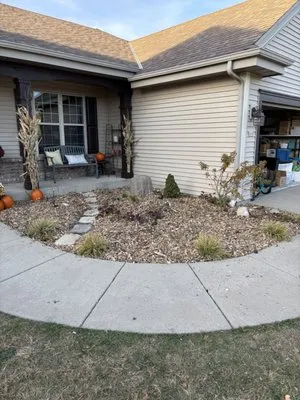
Donley Seasonal Maintenance is a dedicated lawn and landscape business serving homeowners throughout Walworth County from our base in Elkhorn, WI. We believe quality work comes from taking the time to...
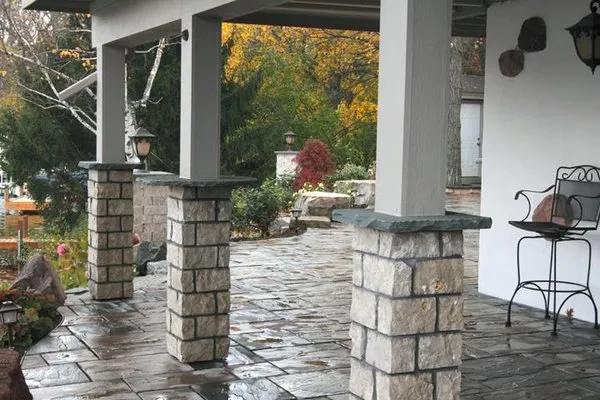
TLC Landscaping has been the trusted landscaping specialist for East Troy, Mukwonago, Eagle, Oconomowoc, Delavan, and Lake Geneva since 2003. We are a licensed and insured company dedicated to providi...
Rocky Mountain Improvements
Rocky Mountain Improvements is a Whitewater-based, family-owned home improvement company with deep roots in the community. Founded in Montana over 20 years ago, we've brought our extensive constructio...

Stier & Nehs Landscape is a full-service landscaping company serving Pewaukee, WI, and surrounding areas. We specialize in comprehensive landscape solutions, from design and construction to ongoing ma...

At Newbys Seasonal Service (NSS), we are a veteran-owned and veteran-operated company proudly serving the Mukwonago community since 2009. Our team brings a disciplined, reliable approach to every proj...
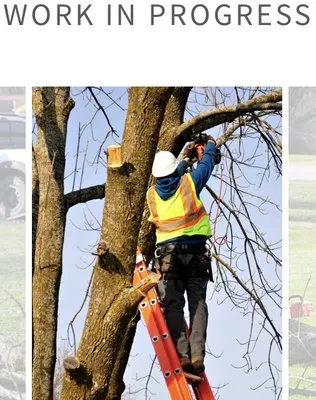
Woodee's Tree Service is a trusted, locally-owned tree and lawn care provider in East Troy, WI, dedicated to delivering quality work at affordable prices. For many years, we've served homeowners throu...
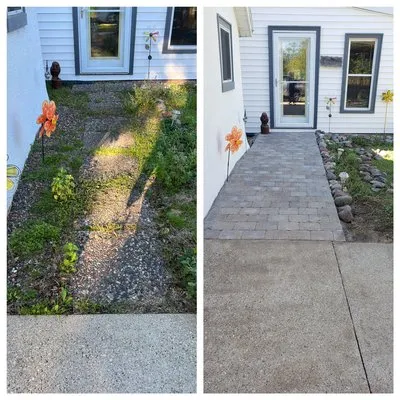
J & L 4 Seasons is a trusted, full-service landscaping company serving Sharon, WI, and the surrounding communities. We specialize in comprehensive outdoor solutions, from driveway and patio constructi...
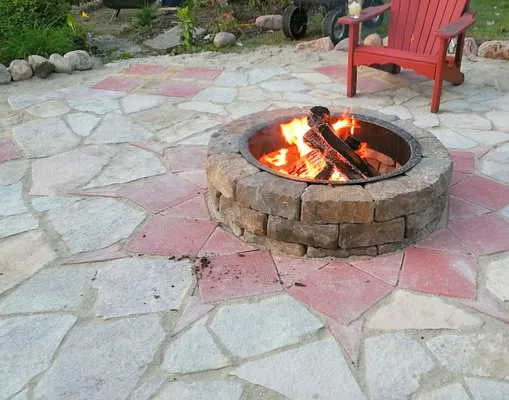
Delavan Landscaping is a trusted local landscaping company serving Elkhorn, WI, and the surrounding Southeast Wisconsin communities including Delavan and Lake Geneva. We specialize in comprehensive la...
Estimated Landscaping Service Costs in Como, WI
Common Questions
Our yard stays soggy long after rain. What solutions work with Como's silty soil?
Silty Loam's fine particles cause poor infiltration, a common issue here. The primary solution is redirecting water away from foundations via regrading and installing French drains filled with clean gravel. For new hardscapes, specify permeable concrete pavers or an open-graded crushed limestone base to increase ground absorption and meet Walworth County's stormwater runoff standards. These systems work in concert to manage the seasonal high water table.
Our Como Historic District lawn looks thin and compacted. What's the underlying soil issue?
Properties developed around 1979, like many here, have nearly 50-year-old soils. Decades of standard maintenance have depleted the native Silty Loam's structure, leading to compaction and poor permeability. This reduces oxygen for grassroots and exacerbates the area's known seasonal high water table. A program of core aeration and top-dressing with composted organic matter is essential to rebuild soil tilth and biological activity for long-term health.
Are concrete pavers a better long-term choice than wood for a new patio?
Yes, for durability and low maintenance. Concrete pavers and crushed limestone have a far longer lifespan than wood, resisting rot, insect damage, and frost heave in Zone 5b. They also contribute to a defensible space in Como's low Fire Wise rating interface by providing a non-combustible barrier. Their modular nature allows for repairs without full replacement and, when installed with permeable bases, improves site drainage.
A storm brought down branches. How quickly can you respond for an emergency cleanup?
Our dispatch prioritizes storm response from our base near Como Lake Park. Using WI-50, we can typically reach properties in the Como Historic District within the 25-35 minute window during peak conditions, adhering to the 7 AM start time for noisy operations. We coordinate arrival to assess safety hazards first, then deploy electric chippers and hand tools to clear driveways and walkways efficiently, documenting the site for any necessary follow-up pruning.
What invasive species should we watch for, and how do we control them safely?
Garlic mustard and buckthorn are prevalent threats in Walworth County. Manual removal before seed set is most effective. For persistent issues, targeted, foliar-applied herbicide in late fall can be used when natives are dormant, strictly following label instructions. All treatments must use phosphorus-free products to comply with Wisconsin's fertilizer mandate. We avoid broadcast applications to protect soil biology and non-target plants.
How do we keep our Kentucky Bluegrass lawn healthy during summer without wasting water?
Wi-Fi ET-based irrigation controllers are the standard for efficiency. They automatically adjust watering schedules by pulling local evapotranspiration data, applying only the precise amount of water lost to evaporation and plant use. This system preserves the turf blend while operating well within Como's voluntary conservation guidelines. We program deep, infrequent cycles that encourage deeper root growth and improve the soil's water-holding capacity, making the lawn more drought-resilient.
Do we need a permit to regrade our yard, and what should we verify about a contractor?
Significant regrading that alters stormwater flow on a 0.35-acre lot often requires review by the Walworth County Land Use and Resource Management office. Always verify your contractor holds a Dwelling Contractor Qualifier license from the Wisconsin Department of Safety and Professional Services for this work. This licensing ensures they carry proper insurance and understand state building codes, protecting you from liability and substandard work that could cause drainage issues for your or neighboring properties.
We want to reduce mowing and gas equipment noise. What's a good alternative to grass?
Transitioning sunny areas to a native plant community is highly effective. Species like Purple Coneflower, Butterfly Milkweed, Little Bluestem, and Wild Bergamot are adapted to Zone 5b and require no weekly mowing, fertilization, or frequent irrigation once established. This shift aligns with evolving noise ordinances restricting gas-powered blowers and mowers, replacing them with quieter, periodic maintenance using electric equipment, while significantly boosting local biodiversity.
