Top Landscaping Services in Combined Locks, WI, 54113 | Compare & Call
There are 189 landscaping companies server in Combined Locks WI
M&M Lawn Care Services is a locally owned and operated lawn care provider dedicated to keeping Freedom, WI yards healthy and beautiful. We specialize in comprehensive lawn care solutions that directly...

Brilliant Lawn & Landscape is a Brillion, Wisconsin-based family-owned landscaping and tree service company with over 40 years of combined experience. We specialize in comprehensive lawn and landscape...

Beauty By The Yard is a Neenah-based landscaping business founded by Cathy, who combines over a decade of garden center experience with a horticulture degree to transform outdoor spaces. Living in the...
Cold Summer Landscaping is a dedicated local landscaping company serving communities across Wisconsin. We specialize in diagnosing and solving common, disruptive yard problems like damaged landscape e...
Safe Cut Tree Care is your trusted, full-service landscaping and tree care provider in Manawa, WI. We specialize in comprehensive tree services, from planting and pruning to safe removal and disease m...
Founded in Marinette, WI, Black & Tan Industries was built on a genuine passion for operating heavy equipment and a commitment to helping our neighbors. We started with a simple goal: to provide relia...

Blue Horse Design Company
Blue Horse Design Company in Suamico, WI, is a landscaping and design firm founded on a commitment to natural, eco-friendly practices. Starting in 2008 with traditional landscaping, the founder grew d...
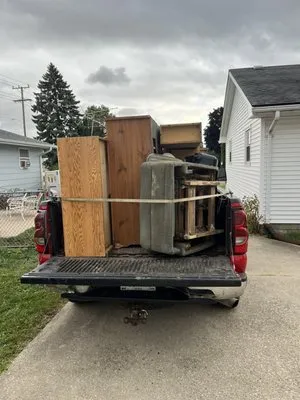
T H Services is your trusted local expert in Appleton, WI, for lawn care, junk removal, and handyman solutions. We understand that local homeowners often face landscaping challenges like standing wate...
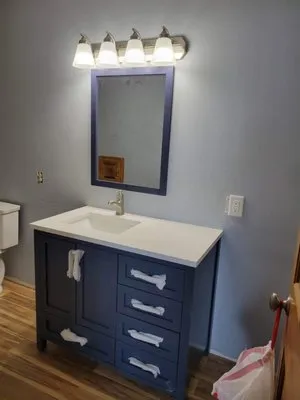
Triple A Property Maintenance is your trusted, full-service property care partner serving Green Bay and the surrounding areas. We specialize in three core areas to protect and enhance your home's valu...

Bj’s Landscape And Maintenance
Bj's Landscape and Maintenance in Shawano, WI, is a locally owned and operated business specializing in comprehensive outdoor care for all seasons. Founded by Brad, a landscaper with over a decade of ...
Estimated Landscaping Service Costs in Combined Locks, WI
Q&A
How do I control invasive species without violating fertilizer laws?
Japanese Knotweed and Garlic Mustard pose the highest invasion risk in Zone 5b, spreading through root fragments and seed dispersal. Apply glyphosate-based herbicides during October-November dormancy when native plants are less vulnerable. Avoid phosphorus-containing fertilizers on impervious surfaces per statewide runoff laws, and schedule applications outside April 1-June 15 blackout dates. Manual removal with mycorrhizae-enhanced compost tea supports soil biology without chemical dependency.
How quickly can you respond to storm damage for HOA compliance?
Our electric maintenance fleet can dispatch from Memorial Park within 15 minutes during peak hours. We route via I-41 to bypass local traffic, ensuring 20-minute arrival to most Village Center addresses. Emergency cleanup protocols include immediate debris removal with battery-powered equipment that complies with daytime noise ordinances. We prioritize safety hazards like downed branches over aesthetic concerns to meet HOA deadlines.
What permits and licenses are needed for grading my 0.25-acre lot?
The Combined Locks Building Inspection Department requires grading permits for soil movement exceeding 50 cubic yards or altering drainage patterns. Contractors must hold Wisconsin Department of Safety and Professional Services licensing for excavation work involving slopes over 10%. On 0.25-acre lots, professional engineering stamps are mandatory when cut/fill depths exceed 2 feet near property lines. These regulations prevent erosion and protect adjacent foundations from subsidence.
Why does my Combined Locks lawn struggle with compaction and poor drainage?
Most Village Center properties built around 1991 have 35-year-old soil profiles of Kewaunee-Manawa Silty Clay Loam. This soil type naturally develops dense layers over decades, reducing permeability to 0.1-0.2 inches per hour. Core aeration with 3-4 inch depth penetration every 2-3 years is essential to break up compaction. Incorporate 0.5 cubic yards of compost per 1,000 square feet annually to increase organic matter above 3%, which improves soil structure and water infiltration.
What solutions prevent seasonal ponding in clay-heavy soils?
Kewaunee-Manawa Silty Clay Loam has permeability rates under 0.2 inches per hour, causing surface ponding during spring thaw. Install 4-inch perforated drainage pipes at 1% slope in gravel-filled trenches to redirect water. Replace impermeable surfaces with permeable concrete pavers (30% void space) and crushed limestone (40% permeability) to meet Combined Locks Building Inspection Department runoff standards. French drain systems should discharge 10 feet from foundations to prevent basement flooding.
How do smart irrigation systems work with Wisconsin's conservation standards?
Smart Wi-Fi soil moisture sensors measure volumetric water content at 6-inch and 12-inch depths, triggering irrigation only when soil moisture drops below 25% field capacity. This ET-based system reduces Kentucky Bluegrass and Fine Fescue water use by 30-40% compared to traditional timers. The technology automatically adjusts for rainfall and evapotranspiration rates, keeping irrigation within municipal water limits while maintaining 85% turfgrass viability during drought periods.
Can native plants reduce maintenance while meeting noise regulations?
Transitioning 30-50% of turf to Purple Coneflower, Butterfly Milkweed, Little Bluestem, and Wild Bergamot eliminates weekly mowing and reduces gas-powered equipment use by 60%. These deep-rooted natives require no irrigation after establishment and provide year-round habitat for pollinators. Electric maintenance equipment operates below 65 decibels, complying with 7:00 AM start times while supporting 2026 biodiversity standards for urban corridors.
Are concrete pavers better than wood for long-term durability?
Concrete pavers maintain structural integrity for 25+ years with minimal maintenance, while wood decks require replacement every 10-15 years in Wisconsin's freeze-thaw cycles. The non-combustible nature of pavers and crushed limestone creates defensible space that meets Low Fire Wise ratings for suburban interfaces. Properly installed with 4-inch gravel base and polymeric sand joints, these materials resist frost heave and provide stable surfaces during extreme weather events.
