Top Landscaping Services in Clintonville, WI, 54929 | Compare & Call
There are 71 landscaping companies server in Clintonville WI

Addis Excavating & Grading
Addis Excavating & Grading is your trusted local excavation and landscaping contractor serving Plainfield and the surrounding communities. We specialize in a comprehensive range of earthwork and const...
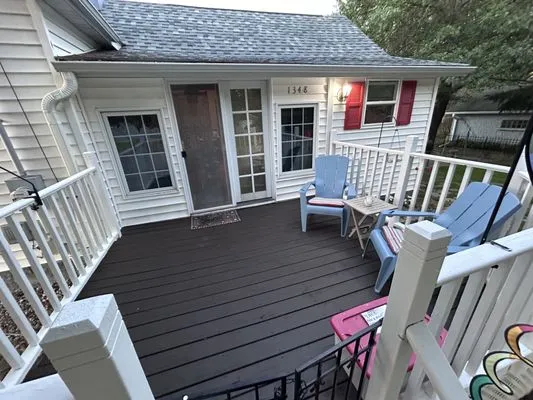
Ranger Subcontracting is your trusted local contractor in Antigo, WI, specializing in comprehensive carpentry, painting, and landscaping services. From interior drywall repairs and painting to buildin...
Schmidty Tree & Debris is your trusted local partner for comprehensive tree and lawn care in Greenleaf, WI. We understand the specific challenges homeowners in our area face, from lawn drought stress ...
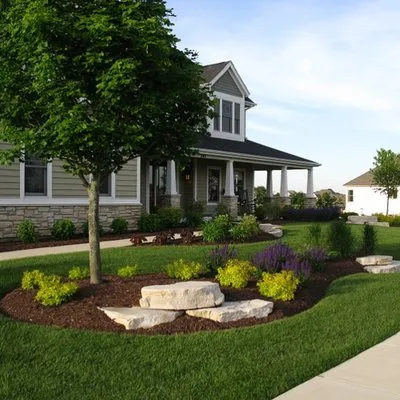
Rudy's is a trusted, local lawn care and snow removal service based in Kaukauna, WI. We understand the unique challenges Kaukauna homeowners face, from seasonal drainage problems that cause standing w...
LawnGuard is a dedicated lawn care service operating in Appleton, Wisconsin, and throughout Northeast Wisconsin. As a division of the locally respected Schmalz Landscaping, which has served the commun...

Ascension Landscape & Tree Service is a veteran-owned and operated full-service provider dedicated to the Green Bay area and its surrounding counties. We specialize in comprehensive tree care and comp...
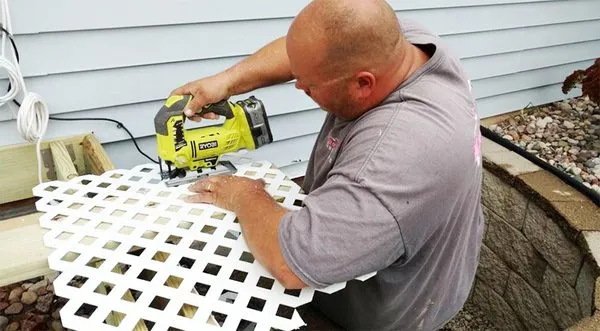
Kuether Services is a family-owned and operated contracting business serving New London and the Fox Valley since 1997. Founded by Kelly and Kim Kuether, the company started with a single snow plow and...
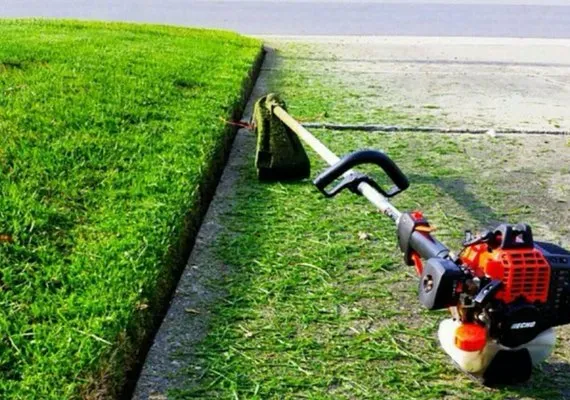
Anderson Custom Services in Waupaca, WI, is a local landscaping, irrigation, and snow removal company founded on expertise from the golf and turf industry. Owner Anderson brings a focus on turf health...
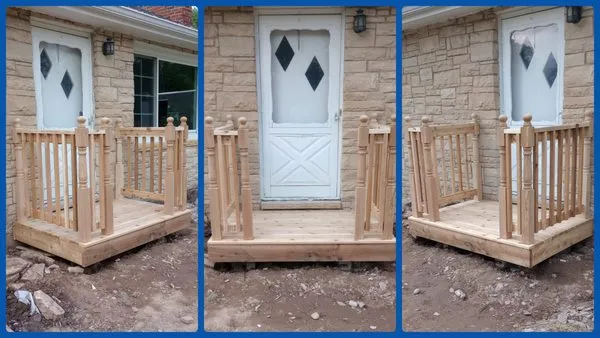
All Things Considered WI is a family-owned handyman and contracting business based in Pulaski. Founded on a commitment to quality and value, owner Lee brings over 26 years of industry experience, incl...
Granite Land Maintenance serves Redgranite, WI, as a full-service landscaping and tree care provider. We specialize in solving common local problems like poor yard drainage and lawn fungus. Our servic...
Estimated Landscaping Service Costs in Clintonville, WI
Questions and Answers
My yard gets soggy in spring and heaves in winter. What's the cause and solution?
This is the seasonal high water table interacting with frost heave, a common issue in Clintonville's sandy loam. The soil holds water at a shallow depth in spring, then freezes and expands unevenly. Solutions include regrading to direct water away from foundations and using permeable hardscapes like concrete pavers or crushed granite for patios. These materials increase surface permeability and can help meet Clintonville Building Inspection Department standards for stormwater runoff management.
How fast can a crew respond to an emergency like a storm-downed tree limb?
For urgent situations requiring HOA compliance or safety, our dispatch from W.A. Olen Park via Highway 45 allows a peak response time of 15-20 minutes to most Central Clintonville addresses. Our electric fleet is designed for quiet operation, ensuring compliance with the 10 PM to 7 AM quiet hours even during early or late dispatches for critical cleanup.
Are concrete pavers a better long-term choice than wood for a new patio?
In USDA Zone 4b, concrete pavers and crushed granite offer superior longevity and lower lifetime maintenance compared to wood, which is susceptible to rot and insect damage. For fire safety in a Low Fire Wise rating area, these non-combustible materials also contribute to defensible space by not providing fuel. A properly installed permeable paver system manages onsite drainage more effectively than solid concrete, aligning with modern stormwater goals.
What permits and contractor credentials are needed for regrading my yard?
Significant regrading that alters drainage patterns or involves retaining walls over 24 inches typically requires a permit from the Clintonville Building Inspection Department. For a 0.22-acre lot, this work must be performed by or under the supervision of a professional licensed by the Wisconsin Department of Safety and Professional Services. This ensures the contractor understands soil mechanics, local codes, and the specific hazards of the area's high water table, protecting your property and your neighbors'.
Is there a lower-maintenance, eco-friendly alternative to my traditional grass lawn?
Yes, transitioning high-input turf areas to a xeriscape or native planting bed is a forward-looking strategy. Using species like Purple Coneflower, Butterfly Milkweed, Little Bluestem, and Wild Bergamot creates a resilient landscape that requires no fertilization, minimal watering once established, and provides critical habitat. This also aligns with the shift toward electric maintenance equipment, as these plantings generate little to no leaf litter, reducing or eliminating the need for gas-powered blowers.
What invasive species should I watch for, and how do I control them safely?
Common invaders include garlic mustard and buckthorn. Manual removal before seed set is most effective. For persistent issues, targeted herbicide application by a licensed professional is appropriate, but it must be timed outside of the Wisconsin Phosphorus Fertilizer Law blackout dates and follow all label instructions. Crucially, this law prohibits phosphorus use on established lawns, so any soil amendments or fertilizers used must be phosphorus-free unless starting a new lawn or a soil test confirms a deficiency.
Why does my 1960s Clintonville lawn seem thin and compacted, and what can be done?
Homes built in 1966 have soils with approximately 60 years of development. In Central Clintonville, the native sandy loam was often stripped and poorly amended during original construction, leading to a dense, nutrient-poor layer. This compaction reduces percolation and root penetration. Core aeration followed by top-dressing with composted organic matter is the standard corrective procedure to rebuild soil structure and microbial activity.
How can I keep my Kentucky Bluegrass lawn healthy without wasting water?
Despite no formal restrictions, standard conservation is mandated. Smart Wi-Fi soil moisture sensor controllers are the most effective tool. They schedule irrigation based on actual evapotranspiration (ET) data and soil conditions, not a timer. This prevents overwatering the sandy loam, which drains quickly, and ensures the grass mix receives deep, infrequent watering to encourage drought-tolerant root growth.
