Top Landscaping Services in Chase, WI, 54101 | Compare & Call
There are 213 landscaping companies server in Chase WI
High Performance Landscaping in Green Bay, WI, specializes in comprehensive landscape solutions tailored to the local environment. We provide landscape construction, installation, and ongoing maintena...

Fox Valley Exterior Cleansing LLC is a locally owned and operated business in Appleton, WI, dedicated to enhancing your home's curb appeal through reliable exterior cleaning and lawn care services. We...
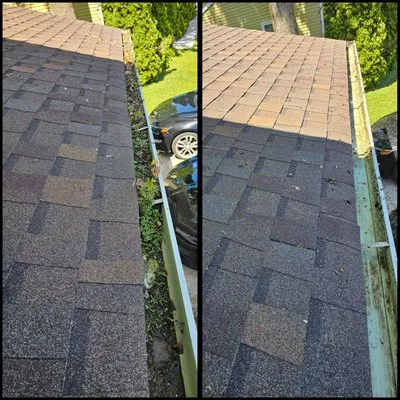
Sweda Mowing is a trusted lawn care provider serving Green Bay, WI, specializing in comprehensive lawn services to address common local landscaping challenges. With Green Bay's climate often leading t...
Miller's Landscaping is a trusted, locally-owned landscaping company serving Bellevue, WI, and the surrounding Fox Valley area. We specialize in diagnosing and repairing the specific lawn challenges c...
Derricks Property Maintenance is a full-service Green Bay company dedicated to protecting and enhancing your property year-round. We understand the specific challenges local homeowners face, such as l...
HFS Curbing is a Neenah-based landscaping and masonry/concrete company dedicated to enhancing outdoor spaces throughout the Fox Cities region. We specialize in comprehensive solutions for common local...
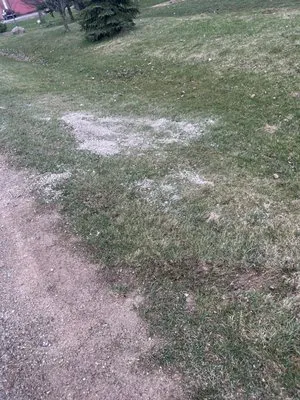
L&J Property Services is a New Franken-based property care business dedicated to transforming and maintaining your landscape. We understand the unique challenges of local yards, from seasonal drought ...
Chappy's Chipping is a Pulaski-based lawn and tree care service dedicated to solving common local landscaping challenges. Many area homes struggle with yard drainage issues and patchy, unhealthy grass...

Lawnmaster, Inc. is a locally owned lawn care business serving Green Bay and the surrounding area. We provide reliable and consistent lawn care services to help homeowners achieve a healthy, beautiful...
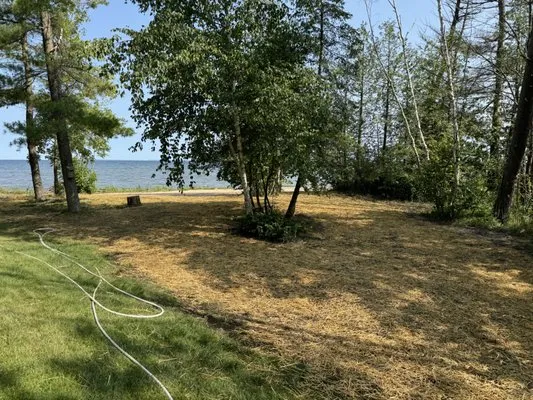
Founded in Marinette, WI, Black & Tan Industries was built on a genuine passion for operating heavy equipment and a commitment to helping our neighbors. We started with a simple goal: to provide relia...
Estimated Landscaping Service Costs in Chase, WI
FAQs
We want to reduce mowing and gas-powered maintenance. What native alternatives work in Chase's climate?
Replacing high-maintenance turf with Big Bluestem, Butterfly Milkweed, Wild Bergamot, and Little Bluestem creates a resilient landscape requiring minimal intervention. These natives thrive in USDA Zone 5a without supplemental irrigation once established, and their deep root systems improve soil structure. This transition reduces mowing frequency from every 7-10 days to seasonal management, aligning with evolving noise ordinances that may restrict gas-powered equipment. The resulting habitat supports pollinators while providing year-round visual interest with minimal inputs.
How do we maintain healthy Kentucky Bluegrass and Fine Fescue turf during dry periods without violating water restrictions?
Soil-moisture sensor bypass controllers prevent irrigation when the root zone has adequate moisture, typically reducing water use by 20-30%. These systems measure actual soil conditions rather than operating on fixed schedules, which is critical during Stage 0 restrictions when voluntary conservation is encouraged. For Chase's USDA Zone 5a climate, we program controllers to deliver 1-1.5 inches weekly during peak ET periods, concentrating on early morning applications. This preserves turf health while staying well within municipal water system capacities.
We need emergency storm cleanup to meet HOA compliance deadlines. How quickly can a crew reach our Chase property?
Emergency response from Chase Town Hall follows US-41 northbound into Chase Rural Residential neighborhoods, with 45-60 minute arrival during peak conditions. Our electric maintenance fleet operates within the 7:00 AM to 9:00 PM noise ordinance window without gasoline engine restrictions. We prioritize debris removal and safety hazard mitigation first, followed by detailed cleanup to restore property lines and visibility. This approach minimizes repeat visits while addressing immediate compliance concerns.
Our Chase Rural Residential property has heavy, compacted soil that struggles to drain properly. What's causing this and how can we improve it?
Chase properties built around 1971 have 55-year-old soil profiles that have experienced decades of compaction from foot traffic and equipment. The Kewaunee-Manawa Silty Clay Loam common in this area naturally has poor permeability, and aging exacerbates this through reduced pore space. Core aeration every 2-3 years creates channels for oxygen and water movement. Incorporating 1-2 inches of composted organic matter annually builds soil structure and microbial activity, addressing the pH 6.5-7.2 range's tendency toward compaction.
Our yard has standing water for days after rainstorms. What drainage solutions work with Chase's high water table?
The Kewaunee-Manawa Silty Clay Loam's poor infiltration combined with Chase's seasonal high water table requires engineered drainage solutions. We install French drains with clean gravel and perforated pipe to intercept subsurface water before it surfaces. Crushed limestone aggregate in walkways and patios provides permeability while meeting Oconto County Zoning Department runoff standards. For severe cases, we create dry creek beds that channel water away from structures while adding landscape interest. These systems work with the soil's natural limitations rather than against them.
We're considering patio materials. How does crushed limestone aggregate compare to wood for longevity and maintenance?
Crushed limestone aggregate offers superior permeability and durability compared to wood, which requires regular treatment and replacement in Chase's freeze-thaw cycles. The compacted surface provides stable footing while allowing water infiltration critical for areas with poor drainage. For Fire Smart Wisconsin compliance in low-risk zones, this non-combustible material creates defensible space without contributing to fire spread. Unlike wood, it doesn't warp or rot, maintaining its appearance for decades with only occasional re-leveling. This makes it ideal for Chase's climate and soil conditions.
We're seeing invasive species like garlic mustard and buckthorn spreading. How do we control them safely?
Garlic mustard requires hand-pulling before seed set in spring, while buckthorn needs cut-stump treatment with glyphosate during late summer dormancy. Wisconsin's statewide phosphorus ban on turf applications doesn't affect these targeted treatments, but we follow label instructions precisely to protect nearby natives. For Chase properties, we implement monitoring programs that catch invasions early when control is most effective. Mechanical removal combined with strategic herbicide application prevents soil disturbance that could trigger further invasion while protecting established Butterfly Milkweed and Wild Bergamot plantings.
What permits and licensing are required for regrading our 1.5-acre property in Chase?
Grading projects exceeding 1 acre typically require erosion control permits from Oconto County Zoning Department, especially when modifying natural drainage patterns. Contractors must hold appropriate licensing through the Wisconsin Department of Safety and Professional Services, particularly for work affecting stormwater management. The permit process evaluates soil disturbance, sediment control, and final grade stability to prevent off-site impacts. For Chase Rural Residential properties, we submit detailed plans showing how regrading addresses existing drainage issues while maintaining natural contours. This ensures compliance while improving property functionality.
