Top Landscaping Services in Cambridge, WI, 53523 | Compare & Call
There are 122 landscaping companies server in Cambridge WI
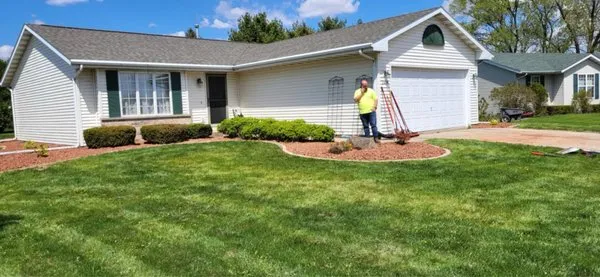
Big Ed's Lawn Services is your local Janesville expert for reliable, year-round lawn care. We understand the common landscaping challenges in our area, like persistent weed infestations and mulch beds...
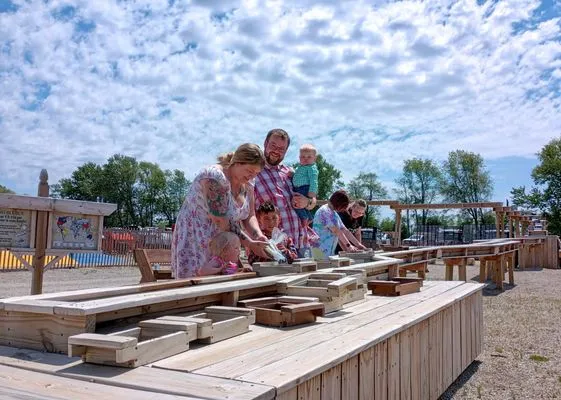
Nature's Touch
Nature's Touch in Janesville, WI, specializes in creating functional and beautiful outdoor spaces for local families. We combine landscape design, lawn care, and our unique 3-acre activity center to o...
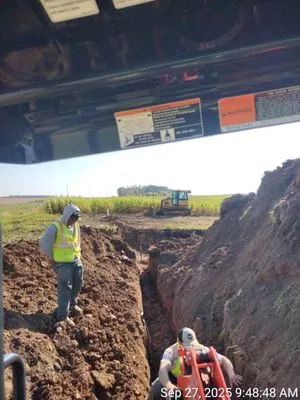
Top Notch Removal is a Janesville-based excavation, demolition, and landscaping company dedicated to solving common local yard problems like standing water and bare lawn patches. We specialize in serv...
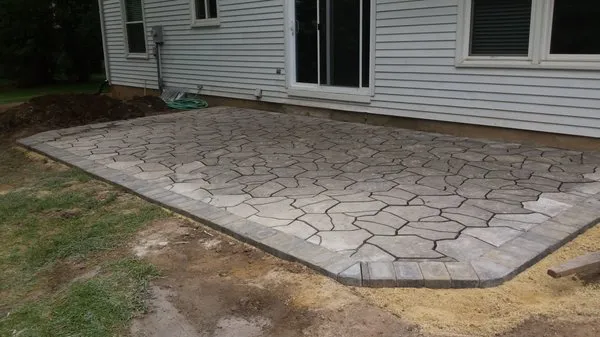
AMS Lawn & Landscapes is a Stoughton, Wisconsin-based business built on a foundation of Midwestern work ethic and integrity. Founded by Marc, who learned the value of an honest day's work from his gra...
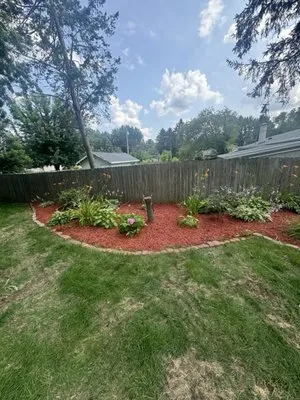
JK Landscaping is a DeForest-based landscaping and snow removal company dedicated to helping local homeowners maintain and enhance their outdoor spaces. We provide comprehensive services including law...
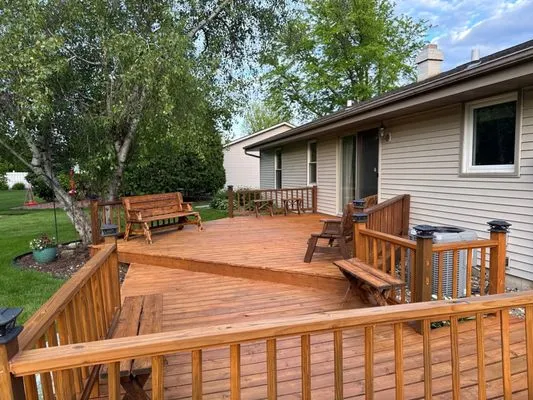
Kastor Services is a Janesville-based, owner-operated landscaping and snow removal company serving Rock County. We provide reliable, year-round property care, from detailed lawn maintenance and shrub ...
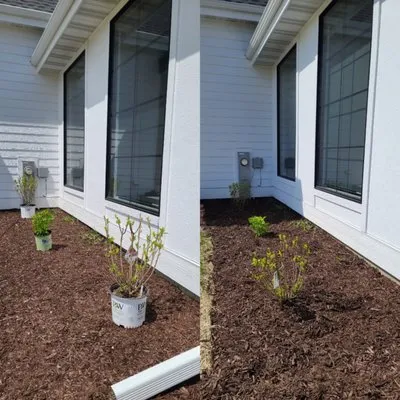
Sturgeon Company LLC is a trusted landscaping and excavation provider serving Evansville, Wisconsin, and surrounding areas. Founded in 2006 by Tye Sturgeon with a small push mower and a commitment to ...
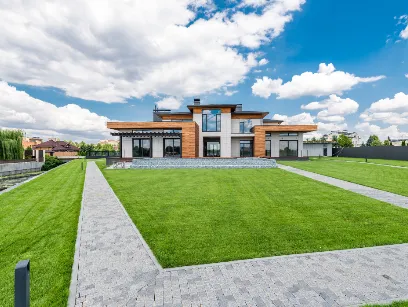
Blue Sky Lawns is a locally owned and operated lawn care service in Janesville, WI, dedicated to helping residents maintain healthy, vibrant lawns. We focus on professional lawn fertilization to ensur...
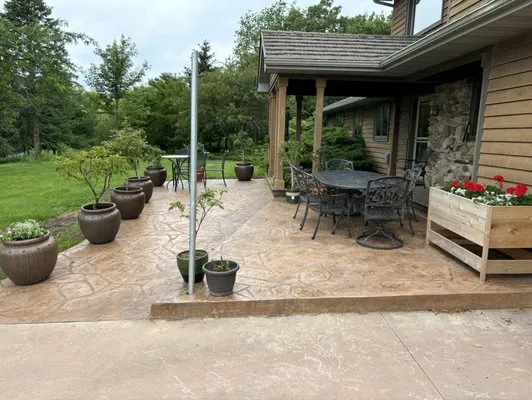
DP Concrete & Landscaping
DP Concrete & Landscaping, Inc., based in Albany, WI, has been the trusted concrete specialist for South Central Wisconsin since 1990. As a fully insured local business with over 35 years of combined ...

Revenz Cleaning And Landscaping Services
Revenz Cleaning And Landscaping Services is a locally owned and operated business in Middleton, founded by Jesús R. Based in the Madison area, Jesús built Revenz with a deep commitment to the communit...
Estimated Landscaping Service Costs in Cambridge, WI
Frequently Asked Questions
Which patio material lasts longest in Wisconsin's climate?
Crushed limestone and permeable concrete pavers outperform wood by 15-20 years in freeze-thaw cycles. These materials maintain structural integrity without seasonal warping or rot concerns. For fire-wise considerations in low-risk zones, they provide non-combustible defensible space when installed with proper clearance from structures. Edge restraint systems prevent shifting while allowing natural drainage through joints.
Why does my Cambridge Village Center lawn struggle despite regular care?
Cambridge lots developed around 1987 have 39-year-old soil profiles with silt loam that compacts over time. This soil type naturally develops hardpan layers that restrict root growth and water percolation. Core aeration every 2-3 years is essential to break up compaction and improve oxygen exchange. Adding organic amendments like composted leaf mold addresses the pH 6.5-7.2 range by increasing microbial activity and nutrient availability.
Can I reduce mowing without sacrificing landscape appearance?
Replacing high-maintenance turf with Butterfly Milkweed, Wild Bergamot, Little Bluestem, and Prairie Dropseed creates biodiverse plant communities. These natives require no weekly mowing and support pollinator populations ahead of potential gas-blower restrictions. Establishment takes 2-3 growing seasons but reduces water needs by 60-70% thereafter. The transition aligns with 2026 biodiversity standards for residential landscapes.
How quickly can you respond to storm damage for HOA compliance?
Emergency cleanup crews dispatch from Cam-Rock Park via US-12 with 25-35 minute arrival during peak conditions. This routing avoids Cambridge Village Center congestion while maintaining response capability for downed branches or debris clearance. We prioritize safety assessments before removal operations, coordinating with local utilities when necessary. All equipment meets standard noise ordinance requirements for residential areas.
How do I manage invasive species without chemical overuse?
Garlic mustard and buckthorn pose primary risks in Cambridge's woodland edges. Manual removal before seed set in early spring prevents spread without violating Wisconsin's phosphorus application ban. Targeted spot treatments use glyphosate alternatives like iron-based herbicides during permitted application windows. Soil testing determines specific nutrient deficiencies before any amendment to avoid ordinance violations.
What permits and licenses are needed for landscape grading?
Grading a 0.25-acre lot requires Village of Cambridge zoning approval for changes exceeding 6 inches of elevation. Contractors must hold Wisconsin DSPS licensing for earth moving operations to ensure proper erosion control during work. Drainage modifications may need additional permits if altering water flow patterns to adjacent properties. Always verify contractor credentials through the state licensing database before excavation begins.
What solutions work for seasonal wet spots in my yard?
Moderate saturation in Cambridge's glacial topography requires permeability-focused approaches. Crushed limestone or permeable concrete pavers create 30-40% void spaces for water infiltration while meeting Village runoff standards. French drains with clean gravel layers redirect subsurface flow away from foundation areas. Grading adjustments of 2% slope toward drainage swales prevent standing water in low-lying zones.
Should I install irrigation with Cambridge's current water restrictions?
Stage 0 water status permits irrigation, but smart Wi-Fi soil moisture controllers optimize usage by tracking evapotranspiration rates. These systems maintain Kentucky Bluegrass and Fine Fescue turf at 85% efficiency compared to traditional timers. Programming follows municipal water limits while preventing drought stress during peak summer months. Regular sensor calibration ensures accurate moisture readings in silt loam conditions.
