Top Landscaping Services in Burlington, WI, 53105 | Compare & Call
There are 176 landscaping companies server in Burlington WI
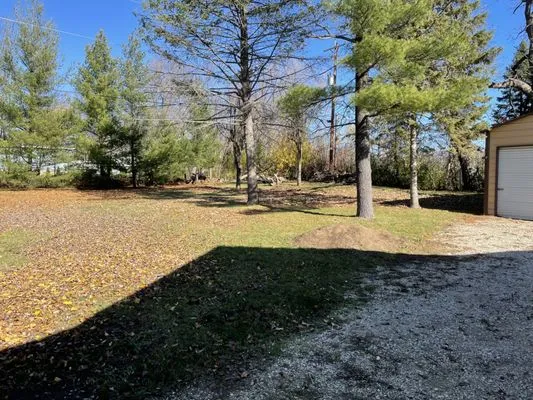
Jeff's Lawn and Snow in Kenosha, WI, is a locally owned and operated business that grew from a part-time passion into a full-time commitment. Jeff started by mowing lawns on the side while working ful...
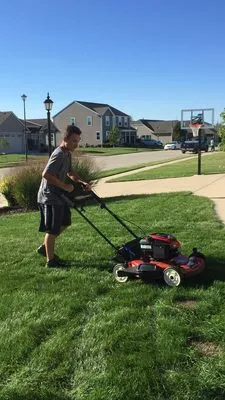
Founded by Jude Kearney in 2013, J.K. Seasonal Services began as a neighborhood lawn mowing venture and has grown into a trusted local provider for Oconomowoc. From a single neighbor's lawn to over 50...

Bienemann's Quality Tree Service LLC has been a trusted, family-operated provider for Burlington, WI, and the greater Racine, Kenosha, and Milwaukee areas since 2005. Founded on a commitment to qualit...
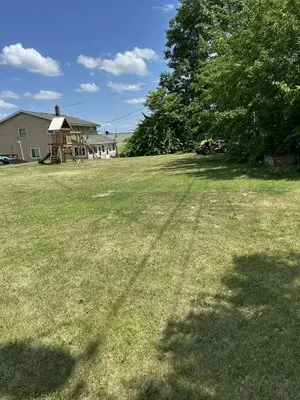
Mondragon's Landscaping Service is a trusted local provider in Burlington, WI, specializing in comprehensive outdoor solutions to keep your property looking its best year-round. We offer landscape con...

Since 2007, Fox Services, LLC has been a trusted local partner for homeowners in Union Grove and across Racine, Kenosha, and Waukesha counties. As a full-service landscaping provider, they handle ever...
The Reesman Company
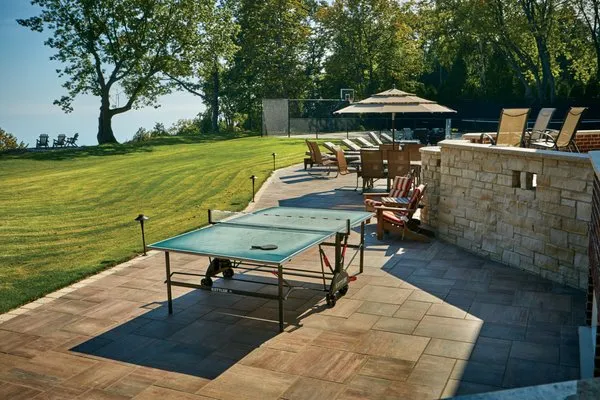
Since 1947, The Reesman Company has been a trusted name in Burlington and the surrounding areas for comprehensive landscape and excavation services. Rooted in over five decades of local experience, we...
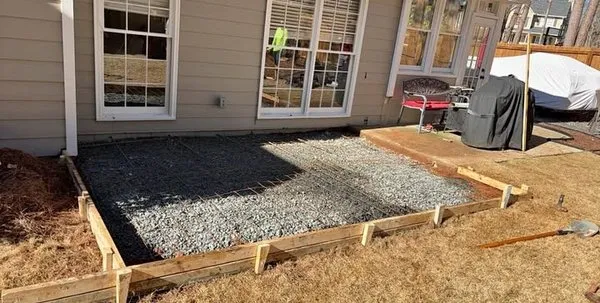
BullyMade Contracting is a Racine-based masonry, concrete, landscaping, and general contracting company serving homeowners throughout southeastern Wisconsin. With expertise spanning from balcony addit...
AMJ Lawn & Landscape is a locally owned and operated business serving East Troy, WI, and the surrounding communities for over 16 years. We build lasting relationships with our neighbors by providing r...
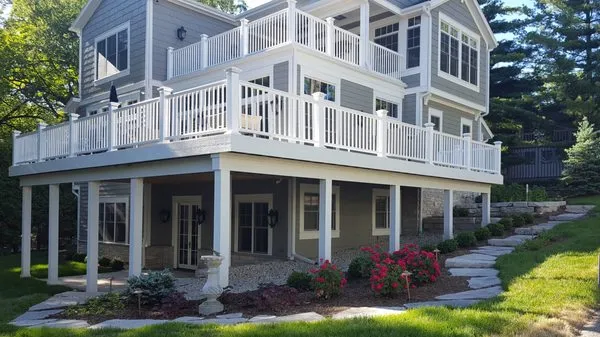
B&J Tree & Landscape Service
B&J Tree & Landscape Service is a Lake Geneva, Wisconsin institution. Founded as B&J Tree Service in 1959 by Dale Castleman's father, the family-operated business has grown under Dale's leadership sin...
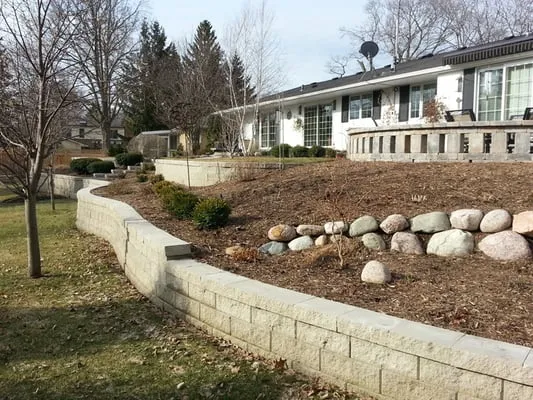
Burdick Lawn & Landscaping, L.L.C. has been the trusted local choice for landscaping and snow removal in Elkhorn and throughout Walworth County since 2005. As a fully insured provider, we bring over t...
Estimated Landscaping Service Costs in Burlington, WI
Q&A
I want to reduce mowing and gas-powered equipment use. What are my options?
Transitioning areas of high-maintenance turf to a planting of native species like Purple Coneflower, Butterfly Milkweed, Little Bluestem, and Wild Bergamot is a forward-looking strategy. These deep-rooted perennials require no mowing, minimal water once established, and support local biodiversity. This shift also aligns with the move toward quieter, electric maintenance fleets encouraged by local noise ordinances.
How quickly can a crew respond for emergency storm debris cleanup to ensure HOA compliance?
For urgent storm response in the Echo Lake District, a dispatch from the ChocolateFest Grounds on Congress Street allows efficient access via WI-36. During peak hours, a crew can typically arrive within the 20-30 minute window. This prioritizes rapid site assessment and debris removal to meet local compliance timelines and safety standards.
What invasive species should I watch for, and how do I treat them without using phosphorus fertilizer?
Burlington properties face threats from invasive plants like garlic mustard and creeping bellflower. Manual removal before seed set is most effective. For persistent perennial weeds, a targeted, systemic herbicide applied by a licensed professional may be necessary. All treatments must comply with Wisconsin's statewide ban on phosphorus-containing lawn fertilizers, which does not restrict most selective herbicides.
With no current water restrictions, is a smart irrigation system still worthwhile for my Kentucky Bluegrass lawn?
Yes. Smart Wi-Fi soil moisture sensor controllers are a strategic investment for Burlington's Stage 0 status. They apply water based on actual evapotranspiration (ET) and root zone needs, not a preset schedule. This prevents overwatering, conserves municipal water resources long-term, and maintains turfgrass health by preventing the shallow root development common with manual irrigation.
My yard holds water in spring. What's the best solution for Burlington's wet conditions and silt loam soil?
Seasonal high water tables and poor infiltration are common in local Mollisols. The primary solution is to regrade for positive surface drainage away from foundations. For patios or walkways, specifying permeable concrete pavers or Lannon Stone set on an open-graded aggregate base can significantly reduce runoff, often meeting Burlington Building & Zoning Department standards for stormwater management.
Does regrading my 0.25-acre lot require a permit or special contractor qualifications?
Significant regrading that alters water flow patterns or involves substantial earth moving often requires review by the Burlington Building & Zoning Department. For proper execution, you must hire a contractor licensed by the Wisconsin Department of Safety and Professional Services. This ensures the work complies with erosion control and drainage codes, which is critical on quarter-acre lots where runoff impacts are concentrated.
My lawn seems compacted and drains poorly. Is this common for Burlington homes built around the 1970s?
Homes constructed in 1975, like many in the Echo Lake District, sit on over 50-year-old landscaping. The native Mollisols silt loam, while fertile, becomes heavily compacted over decades under turfgrass and foot traffic. This reduces soil percolation and oxygen availability to roots. Core aeration, combined with top-dressing compost, is essential to restore permeability and biological activity in this mature soil profile.
Are concrete pavers or natural stone better than wood for a long-lasting, low-maintenance patio?
For longevity and minimal upkeep, inorganic materials like concrete pavers or Lannon Stone are superior to wood. They do not rot, warp, or require chemical treatments. In the context of Burlington's low Fire Wise rating, these non-combustible materials also contribute to defensible space in the urban-suburban interface, reducing fire fuel immediately adjacent to the home.
