Top Landscaping Services in Black River Falls, WI, 54615 | Compare & Call

There are 19 landscaping companies server in Black River Falls WI
Carl's Landscape Service
Carl's Landscape Service has been the trusted name for complete landscape solutions in Central Wisconsin since 1975. As the region's first full-service landscape company, we specialize in comprehensiv...
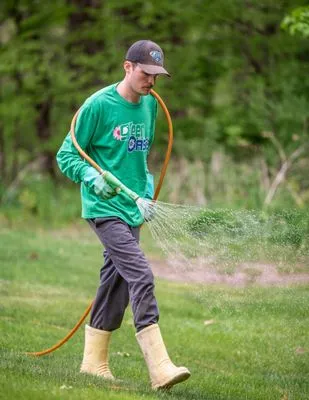
Green Oasis has been serving Rice Lake and surrounding communities since 1978, providing comprehensive lawn, landscape, and pest management solutions. Our team specializes in irrigation systems, lawn ...

Land Pros in Eau Claire, WI is your trusted local partner for masonry, landscaping, and snow removal. We help homeowners build and maintain their outdoor spaces with services ranging from durable conc...
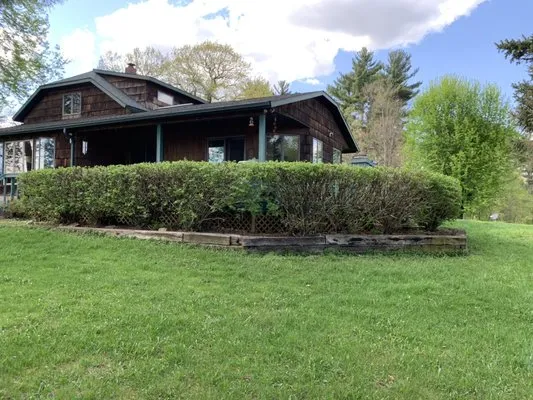
Hidden Haven Outdoor Design is your trusted local landscaping partner in Mindoro, WI, dedicated to creating and maintaining beautiful, healthy outdoor spaces. We understand the unique challenges faced...
Phillips Outdoor Services
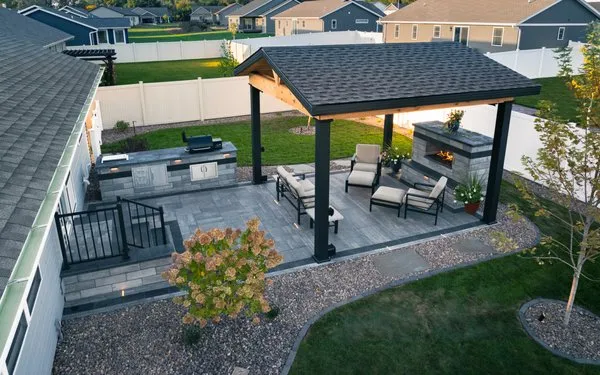
Phillips Outdoor Services has been enhancing outdoor living spaces in Onalaska, WI, since 1975. Starting from humble beginnings with chain link fence installations, we've grown into a trusted provider...
Pest Badger is your local, trusted partner for pest control, wildlife removal, and lawn services in La Crosse, WI. We understand the unique challenges of our area, including how shifting rock gardens ...
Lawn Mowing by Scott is a professional lawn care company serving Sparta and Monroe County, Wisconsin. With over 40 years of experience, Scott and his team provide reliable lawn mowing and maintenance ...
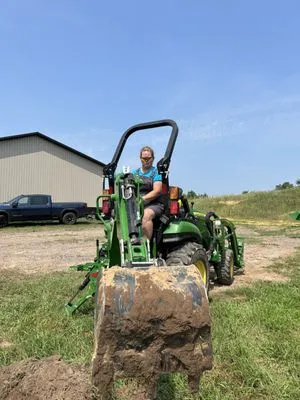
FAWN Tractor Solutions is a local Melrose business dedicated to hands-on property care and improvement. We specialize in a wide range of landscaping and tiling services, from foundational tasks like g...

AX Head Tree Service and Landscaping
AX Head Tree Service and Landscaping is your trusted, locally owned partner in Nekoosa for comprehensive outdoor care. We specialize in tree services, from expert pruning and safe removal to disease m...
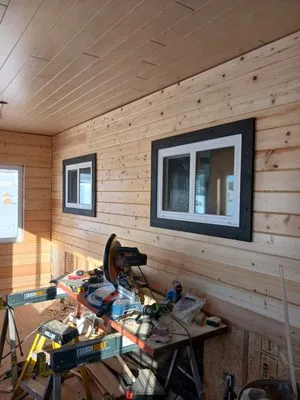
At DL Broadworks, we're your Bangor-based solution for a wide range of home and property projects. As a local carpenter and contractor, we handle everything from detailed woodworking and installations...
Estimated Landscaping Service Costs in Black River Falls, WI
Common Questions
How quickly can you respond for an emergency storm cleanup to meet HOA compliance?
For urgent storm response in the Riverside District, our dispatch from the Lunda Community Park area allows for a 20-30 minute arrival during peak conditions. We route via I-94 for the most direct access, prioritizing debris clearance to restore safety and meet municipal or HOA deadlines. Our fleet includes electric-powered equipment that complies with local noise ordinances, enabling work within extended operational windows if necessary. This logistics plan is designed for rapid, compliant property stabilization.
Is Wisconsin Limestone or a wood deck better for a new patio?
For longevity and low maintenance in Black River Falls, Wisconsin Limestone or crushed granite are superior to wood. These materials offer permanent durability against freeze-thaw cycles and do not require annual sealing or replacement. From a fire-wise perspective, the Moderate Wildland-Urban Interface rating for the area recommends non-combustible hardscaping within the defensible space zone around your home. Stone patios and pathways provide this critical firebreak while complementing the local aesthetic and requiring minimal long-term upkeep.
My yard stays soggy long after rain, especially near the river. What's the solution?
Moderate runoff and a seasonal high water table are common challenges in Riverside District's sandy loam. While this soil drains moderately well, compaction and grade issues can cause pooling. Solutions include regrading to direct water away from foundations and installing French drains or dry creek beds. Using permeable materials like crushed granite for paths and patios increases ground infiltration. Any significant regrading or drainage structure should be reviewed with the Black River Falls Building Inspection Department to ensure compliance with runoff management standards.
Why does my lawn in the Riverside District seem to struggle even with watering?
Homes built around the 1964 average in Black River Falls often have soil that is now over 60 years old. In sandy loam soils typical of this neighborhood, decades of compaction from foot traffic and equipment have likely depleted organic matter, reducing percolation and nutrient-holding capacity. Core aeration in early spring or fall is essential to alleviate this compaction and allow air, water, and amendments to reach the root zone. Incorporating compost specifically tailored for sandy loam can rebuild soil structure and support a healthier turfgrass stand.
What permits and credentials should I verify before hiring for a grading project?
Any significant grading or earthmoving on a 0.25-acre lot typically requires review by the Black River Falls Building Inspection Department to ensure compliance with erosion control and stormwater management codes. You must hire a contractor appropriately licensed by the Wisconsin Department of Safety and Professional Services. For landscaping, this often involves a Dwelling Contractor Qualifier license. Verifying this licensing protects you by ensuring the contractor carries required insurance and adheres to state standards for workmanship and safety.
How do I control invasive weeds without using the wrong fertilizer?
First, correctly identify the threat; common invasive alerts for this area include garlic mustard and creeping bellflower. Control focuses on mechanical removal before seed set and targeted, professional-grade herbicide applications when necessary. Crucially, Wisconsin's statewide ban on phosphorus-containing fertilizers for lawns does not apply to most weed control products, but timing and selection must avoid harming desirable plants. A soil test is recommended to guide any nutrient amendments, ensuring they address specific deficiencies without violating the ordinance.
Is it wasteful to run sprinklers since there are no official water restrictions?
Even without mandatory restrictions, standard conservation practices are critical for resource stewardship. Smart Wi-Fi ET-based irrigation controllers are the professional standard, automatically adjusting runtime based on real-time evapotranspiration data, rainfall, and soil moisture. This technology prevents overwatering your Kentucky Bluegrass and Fine Fescue blend, promoting deeper root growth and drought resilience. It ensures optimal turf health while conserving significant water volume, aligning with both ecological and economic best practices.
What are some lower-maintenance alternatives to my traditional grass lawn?
Transitioning to a climate-adaptive landscape with native plants significantly reduces water, mowing, and chemical inputs. Species like Purple Coneflower, Little Bluestem, and Butterfly Milkweed are evolved for Zone 4b conditions, requiring minimal irrigation once established. This xeriscaping approach creates habitat, supports 2026 biodiversity goals, and reduces fuel consumption for maintenance. Furthermore, it future-proofs your property against evolving noise ordinances that may further restrict gas-powered blowers and mowers.
