Top Landscaping Services in Belmont, WI, 53510 | Compare & Call
There are 72 landscaping companies server in Belmont WI
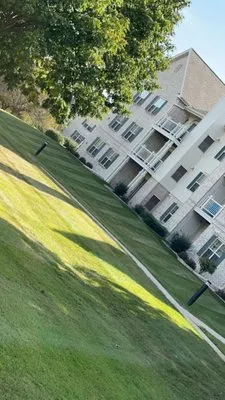
AS Mowing Maintenance and Landscaping is Waterloo, WI's trusted partner for comprehensive outdoor care. We specialize in irrigation design and construction, landscape installation, greenscape construc...

New Views Landscaping and Lawn Care is a Middleton-based company dedicated to helping homeowners achieve and maintain a healthy, beautiful outdoor space. We focus on reliable, complete work for every ...

Best Lawn Service is a family-owned and operated turf management company proudly serving Waunakee and the greater Madison area since 2001. We specialize in professional lawn care and snow removal, off...
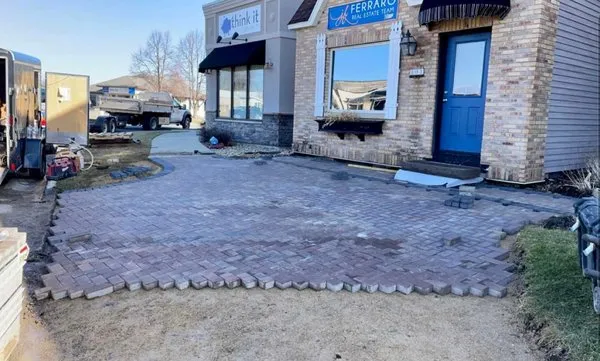
All-Tim-It Landscaping, L.L.C. has been a trusted Waunakee-based resource for homeowners and businesses since 2004. Serving Waunakee, Madison, and surrounding communities, we provide reliable, year-ro...
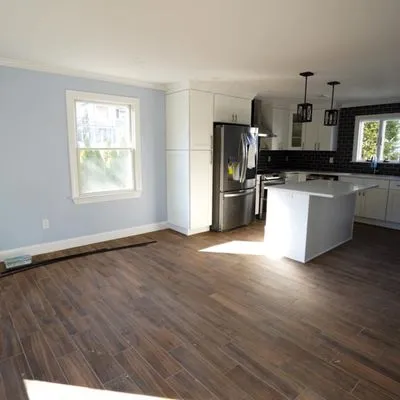
Universal Landscaping in Madison, WI, is your local expert for year-round property care, specializing in painting, lawn services, and snow removal. We understand the unique challenges of the Madison c...
Woods Home Repair
Woods Home Repair is your trusted, full-service contractor serving Portage, WI, and the surrounding area. We specialize in making your home more beautiful, functional, and valuable, handling everythin...

The608LawnGuy is a locally owned and operated lawn care service based right here in Madison, Wisconsin. I'm committed to providing reliable, thorough service for homes in Madison and the surrounding D...

TL Professional Services is a Mineral Point-based property management company specializing in pest control, landscaping, and window washing. Founded in 2005 and serving Iowa County, we combine a degre...
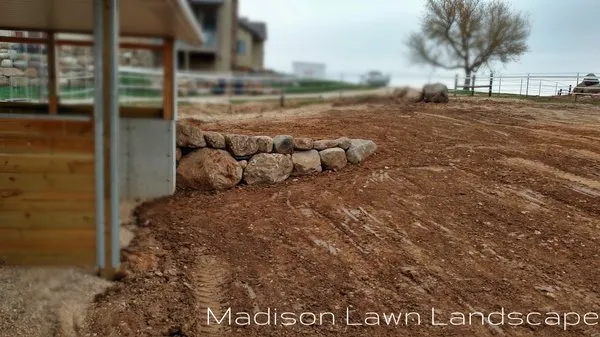
Madison Lawn Landscape is your trusted, full-service partner for property management and improvement in Dodgeville, WI. We specialize in solving the two most common local landscaping challenges: manag...
Earth Development is a Madison-based commercial snow removal and landscaping company that has been serving the Midwest since 2000. They specialize in snow plowing, de-icing, sidewalk shoveling, and la...
Estimated Landscaping Service Costs in Belmont, WI
Q&A
Can smart irrigation maintain Kentucky Bluegrass without violating water restrictions?
Wi-Fi weather-based controllers calculate evapotranspiration rates specific to Belmont's 5a zone, applying 1-1.5 inches weekly only when soil moisture sensors indicate need. This precision irrigation preserves Fine Fescue blends while reducing municipal water use 30-40% below traditional schedules. The system automatically adjusts for rainfall and humidity, maintaining turf health within standard conservation practices despite no formal restrictions.
What permits and licenses are required for grading my 0.35-acre lot?
Significant grading altering water flow patterns requires Lafayette County Planning and Zoning Department review to prevent downstream erosion. Contractors must hold Wisconsin Department of Safety and Professional Services licensing for excavation work exceeding 100 cubic yards. On Belmont's 0.35-acre parcels, even modest regrading often triggers permit requirements due to the proximity to property lines and existing drainage infrastructure. Unlicensed grading can result in stop-work orders and restoration mandates.
What invasive species threaten Belmont landscapes and how are they managed?
Garlic mustard and buckthorn actively colonize Belmont's woodland edges, outcompeting native understory plants. Manual removal before seed set in early May prevents spread without chemical intervention. For persistent infestations, targeted glyphosate applications in October avoid Wisconsin's phosphorus restriction periods while minimizing non-target impact. Always bag and dispose of invasive material rather than composting to prevent reinfestation.
What solutions prevent frost heave damage to my Belmont property?
Seasonal saturated silt loam soils expand during freeze-thaw cycles, causing concrete paver displacement and foundation stress. Installing permeable crushed limestone bases with 40% void space allows subsurface drainage away from structures. This meets Lafayette County Planning and Zoning Department runoff standards while preventing the 2-4 inch frost heave common in Belmont's clay-rich subsoils. French drains should be sloped at 1% minimum grade.
How quickly can you respond to storm damage for HOA compliance?
Emergency cleanup dispatch routes from Belmont Community Park via US-151 achieve 20-30 minute peak response times. Our electric maintenance fleet operates within Belmont's 7:00 AM to 9:00 PM noise ordinance while addressing immediate hazards like fallen limbs or drainage blockages. This rapid response prevents HOA violations and secures property before secondary water damage occurs in seasonal saturated conditions.
Are concrete pavers better than wood for Belmont's climate and fire safety?
Concrete pavers maintain structural integrity through 50+ freeze-thaw cycles where wood decking requires replacement every 10-15 years. Their non-combustible nature supports Moderate Firewise USA ratings by creating defensible space around structures. Crushed limestone bases provide natural drainage while the interlocking system resists frost heave displacement. This combination addresses both longevity concerns and wildfire mitigation in Belmont's mixed hardwood zones.
Why does my Belmont Village lawn struggle with compaction and poor drainage?
Belmont's 1968 average home construction means soil has matured for 58 years, developing a dense silt loam structure common in this neighborhood. This soil type naturally compacts over decades, reducing permeability to 0.6-2.0 inches per hour. Core aeration every 2-3 years introduces oxygen channels while incorporating 0.5 inches of composted organic matter improves water retention without altering the optimal 6.5-7.0 pH range.
How can I reduce maintenance while supporting local ecology?
Replacing 30-50% of traditional turf with Purple Coneflower and Little Bluestem establishes a self-sustaining matrix requiring only annual cutting. This xeriscape approach eliminates weekly mowing and gas-powered equipment ahead of expanding noise ordinances. Butterfly Milkweed and Wild Bergamot provide continuous bloom from June to September, supporting pollinator populations while reducing water demand by 60-75% compared to conventional lawns.
