Top Landscaping Services in Bayside, WI, 53217 | Compare & Call


Bayside Boyz is a locally owned and operated lawn and tree care service based in Bayside, WI, serving the North Shore area since 2018. Founded by a team with deep roots in the community, they speciali...
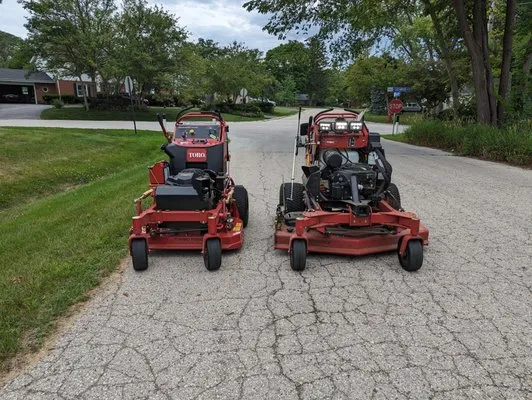
Wisconsin Lawn and Snow is a dedicated, locally-owned service provider based in Bayside, WI, proudly caring for properties throughout Northern Milwaukee. We treat every lawn, garden, and gutter with t...
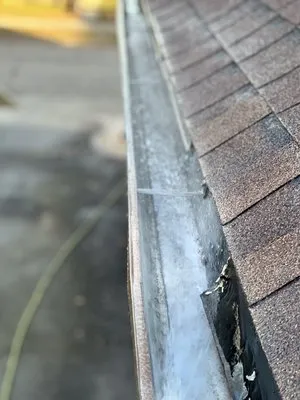
For Supreme Landscaping and Labor in Bayside, WI, the work is more than a job—it's a dedicated passion. With five years of experience serving the community, owner Joseph approaches each project with a...
Prestige Lawn & Landscaping is a trusted local landscaping partner serving Bayside, WI, and the surrounding communities. We understand the unique challenges Bayside homeowners face, from lawn drought ...
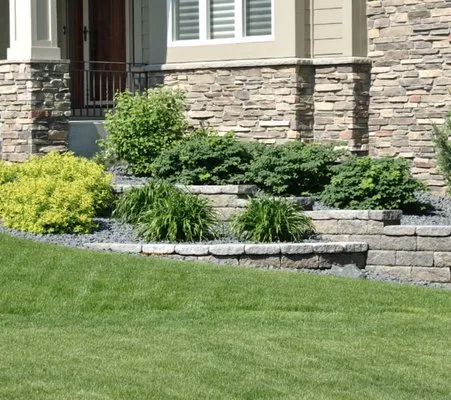
Alioto's Lawn Care & Maintenance is your trusted, local lawn service provider in Bayside, WI. We understand that Bayside homeowners face unique challenges like lawn drought stress and uneven sprinkler...
All In One Maintenance Services is your trusted, local partner for year-round property care in Bayside, WI. We specialize in both lawn care and snow removal, providing comprehensive solutions tailored...

4 Seasons Lawncare is a trusted local lawn service and snow removal company serving Bayside, WI homeowners. We specialize in comprehensive lawn care and reliable snow removal, helping residents mainta...
Bell Lawn Maintenance is your trusted local partner for lawn care in Bayside, WI. We understand the unique challenges homeowners face here, from managing storm debris that can damage your lawn's healt...
Q&A
Our yard holds water every spring. Is this a common issue with Bayside soil, and what's the fix?
Seasonal saturation is a direct result of the high clay content in our local silt loam, which drastically slows percolation. Correcting this involves regrading to create positive surface flow and installing subsurface French drains where needed. For any new patios or walkways, specify permeable concrete pavers or a crushed limestone base; these materials meet Village of Bayside runoff standards by allowing infiltration. This integrated approach manages water at the surface and in the soil profile.
We've spotted what looks like Garlic Mustard. How should we handle invasive plants here?
Garlic Mustard is a prevalent invasive alert in Zone 5b, threatening native understory plants. Manual removal before seed set in early spring is most effective. For persistent perennials like Buckthorn, targeted cut-stump treatment with an EPA-approved herbicide may be necessary, applied by a licensed professional to ensure compliance with Wisconsin's phosphorus-free fertilizer law. Always dispose of invasive plant material in the landfill stream, not compost, to prevent further spread.
With Stage 1 water conservation in effect, how do we keep our Kentucky Bluegrass blend healthy?
Voluntary conservation under Stage 1 is best managed with Wi-Fi Smart ET-based irrigation. This system calculates evapotranspiration using local weather data, applying water only when the turf's root zone deficit requires it. Programming deep, infrequent watering cycles for your Bluegrass-Fescue blend encourages deeper roots and drought tolerance. This method often uses 20-30% less water than traditional timer-based systems while maintaining canopy density, keeping you well within municipal guidelines.
We're adding a patio. Is wood or crushed limestone better for longevity and safety here?
For longevity and low maintenance in Bayside's climate, crushed limestone or permeable pavers are superior to wood. Wood requires chemical treatments and regular replacement, while stone offers permanent durability. From a Fire Wise perspective, our low urban-suburban interface rating still benefits from non-combustible hardscape materials creating defensible space. A properly installed stone patio also addresses the native soil's drainage needs without contributing to decay or runoff issues.
We want to regrade our 0.55-acre lot. What permits and contractor credentials are required?
Significant grading on a 0.55-acre parcel typically requires a review by the Village of Bayside Building Services to ensure compliance with stormwater and erosion control ordinances. The contractor must hold appropriate licensing through the Wisconsin Department of Safety and Professional Services, specifically in the classifications for excavation and land grading. This ensures the work adheres to state sediment control laws and protects downstream infrastructure, making verification of active licensure non-negotiable.
Our yard in Bayside Woods has heavy, compacted soil. Is this just because of our older home?
Homes built around 1966, like many in Bayside Woods, sit on 60-year-old landscapes where topsoil was often stripped. The underlying Mequon-Ozaukee-Morley Silt Loam has a high clay fraction that compacts over decades of standard maintenance, reducing permeability and root oxygen. This soil maturity requires core aeration, not just annual tilling, to reintroduce macropores. Incorporating 2-3 inches of composted organic matter after aeration is critical to rebuild soil structure and support a healthy rhizosphere.
We're tired of weekly mowing and gas blowers. What's a quieter, lower-maintenance alternative?
Transitioning manicured turf to a native plant community is a forward-looking solution. Species like Little Bluestem, Prairie Dropseed, and Wild Bergamot establish deep root systems that require no irrigation once established and need no mowing. This planting style eliminates gas-powered blower use, aligning with tightening noise ordinances. The resulting landscape provides superior habitat, supports 2026 biodiversity targets, and reduces your seasonal maintenance to simple annual cuts.
A storm brought down branches, and our HOA gave a 48-hour notice. How fast can a crew get here for cleanup?
For an emergency HOA compliance cleanup, our standard dispatch originates near Doctors Park. Using I-43, the route to Bayside Woods typically requires 20-30 minutes during peak hours. Crews operate low-decibel electric chippers and sweepers to comply with the 7am-9pm weekday noise ordinance. All debris is processed on-site into mulch or hauled to a certified facility, with the goal of restoring property safety and aesthetics within the notification window.
