Top Landscaping Services in Algoma, WI, 54904 | Compare & Call

There are 76 landscaping companies server in Algoma WI
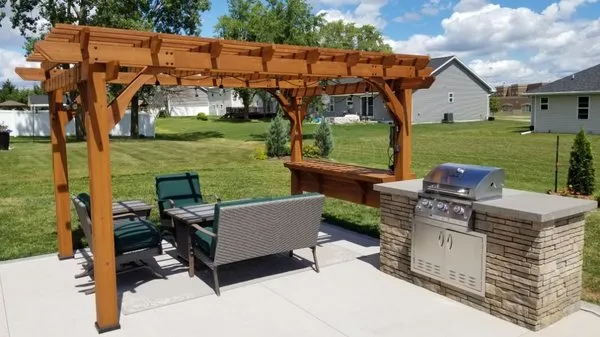
Landscape Medics is a Green Bay-based landscaping company founded in 1994 by owner-operator Tony Kiiskila, CLT, CSA, MG. With over 25 years of experience serving Northeast Wisconsin, Tony brings deep ...
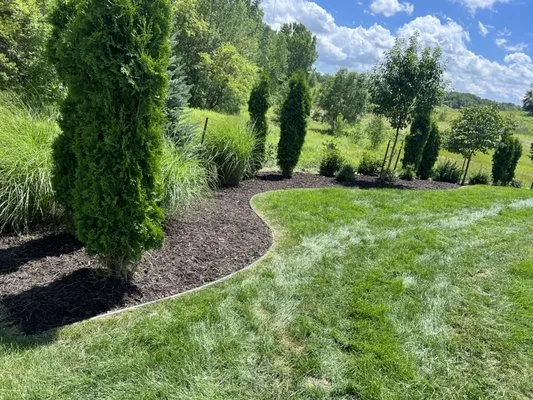
TNT Landscape and Property Maintenance
TNT Landscape and Property Maintenance is a locally-owned landscaping and excavation company serving Casco, WI, and surrounding areas. We specialize in transforming outdoor spaces with services rangin...
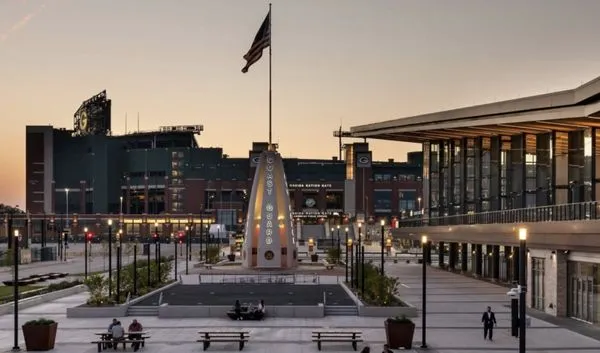
Superior Landscaping is a locally owned and operated business in Ashwaubenon, WI, founded in 2023 by a passionate professional dedicated to transforming outdoor spaces. We specialize in landscaping, m...
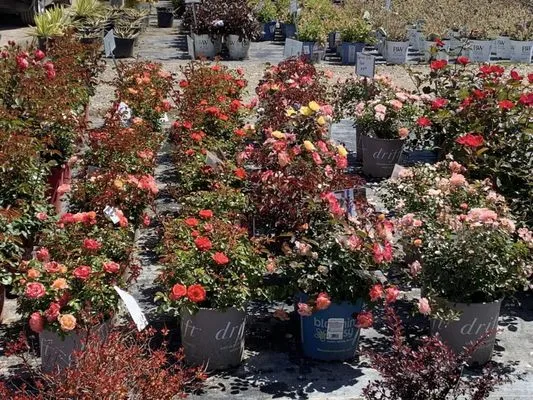
Willems Landscape Service has been a trusted landscaping partner for De Pere and the Greater Green Bay area for over 50 years. As a family-owned business with deep local roots, we understand the uniqu...
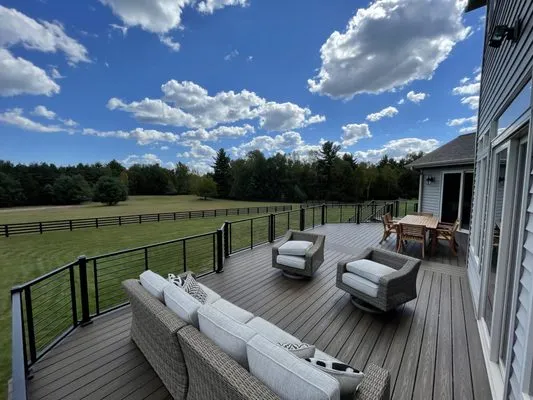
Dave Van Rite Construction
Dave Van Rite Construction, LLC, a family-owned and operated business serving Green Bay since 1988, brings over 45 years of construction expertise to every project. Founded by Dave Van Rite, the compa...

Leo's Junk Removal is a family-operated service based in Algoma, WI, specializing in junk removal, hauling, and lawn care for residents and businesses across Green Bay, De Pere, Kewaunee County, and D...

Perr Oasis Lawn & Snow Services
Perr Oasis Lawn & Snow Services is a veteran-owned business in Bellevue, WI, founded in 2023 by a retired military professional whose passion for the outdoors and meticulous landscaping grew from a ho...
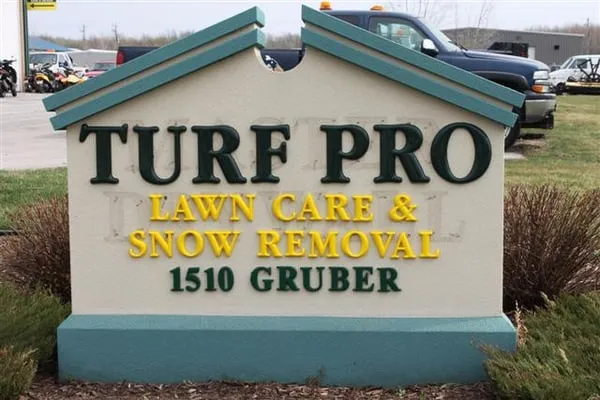
Turf Pro Lawncare & Snow Removal
Turf Pro Lawncare & Snow Removal is a locally owned and operated Green Bay business established in 1993. For over 20 years, we've been dedicated to maintaining and enhancing the outdoor spaces of both...
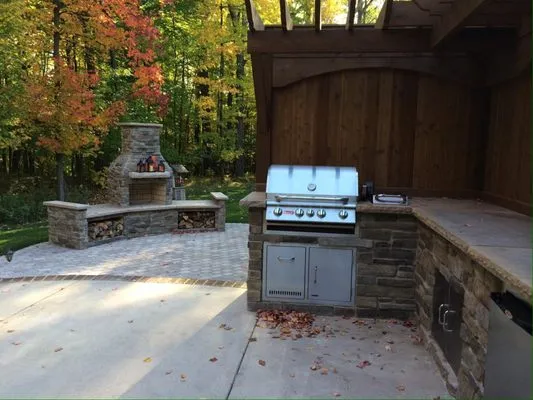
Proscape Lawn Care & Landscaping is a licensed and insured landscaping company based in Pulaski, WI, serving residential and commercial clients across Brown, Door, Oconto, Outagamie, and Shawano Count...
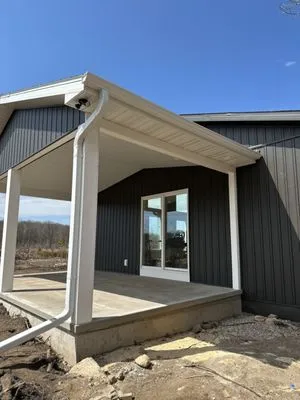
CKS is a locally owned exterior home improvement company serving Howard, WI, and the greater Green Bay area. We specialize in roofing, gutter services, and landscaping, helping homeowners protect and ...
Estimated Landscaping Service Costs in Algoma, WI
Q&A
Do I need a permit to regrade my backyard?
Yes, significant grading on a 0.22-acre lot often requires a permit from the Algoma Building & Zoning Department to ensure compliance with erosion control and drainage ordinances. Furthermore, contractors performing this work must hold appropriate licensing through the Wisconsin Department of Safety and Professional Services. This protects you from liability and ensures the work adheres to state standards for managing stormwater on properties with clay-dominated soils.
My yard is soggy for days after rain. What's the solution?
Seasonal saturation is a hallmark of Kewaunee-Manawa Silty Clay Loam due to its low permeability. A tiered approach works best: first, install French drains or dry wells to intercept subsurface water. Second, regrade critical areas to a minimum 2% slope away from foundations. For hardscapes, specify permeable concrete pavers or an open-graded crushed limestone base to increase infiltration and meet Algoma Building & Zoning Department runoff requirements.
Are concrete pavers a better choice than wood for a new patio?
For longevity and low maintenance in Algoma's climate, concrete pavers outperform wood. They resist frost heave better when installed on a proper gravel base, and their modular nature allows for repair without full replacement. In the context of the area's Low Urban Interface fire rating, pavers and crushed limestone provide critical non-combustible defensible space adjacent to structures, a key consideration for insurance and safety.
Why is my soil so hard and compacted?
Properties in the Algoma City Center area, with homes averaging from 1957, have experienced nearly 70 years of soil maturation on the native Kewaunee-Manawa Silty Clay Loam. This long-term compaction from foot traffic and past maintenance reduces permeability and root penetration. Annual core aeration in fall is critical to fracture this hardpan, followed by top-dressing with compost to build organic matter above the native 6.8-7.2 pH. This process mimics natural soil development and is more effective than chemical treatments.
How quickly can you respond to a storm-damage emergency?
For urgent HOA compliance or safety issues like downed limbs, our dispatch from Crescent Beach Park via WI-42 allows a peak response within 15-20 minutes to Algoma City Center. Our electric fleet operates quietly within the 7:00 AM to 9:00 PM noise ordinance window for immediate debris management. We prioritize securing the site, documenting damage for insurance, and providing a temporary fix before scheduling permanent restoration.
Can I have a green lawn while following water conservation rules?
Yes, using Wi-Fi ET-based weather sensing controllers is the standard for Algoma's conservation ethos. These systems apply water only when evapotranspiration data indicates need, preventing overwatering that exacerbates the soil's high clay content. For Kentucky Bluegrass and Fine Fescue blends, this technology can reduce seasonal water use by 20-30% while maintaining turf health. Programming deep, infrequent watering cycles encourages deeper root growth, improving drought resilience.
What are the most aggressive weeds here, and how do I manage them?
Invasive species alerts for Zone 5a include Garlic Mustard and Creeping Bellflower, which thrive in disturbed clay soils. Manual removal before seed set is most effective. For persistent perennial weeds, a targeted, non-phosphorus herbicide applied in fall is permissible under state law, as the ban specifically targets lawn fertilizers. Always confirm treatment timing does not conflict with local blackout dates designed to protect groundwater from spring runoff.
What's a lower-maintenance alternative to my traditional grass lawn?
Transitioning perimeter zones to a xeriscape with Algoma natives like Purple Coneflower, Butterfly Milkweed, Little Bluestem, and Wild Bergamot reduces mowing, watering, and chemical inputs. This biodiversity planting supports pollinators and requires no gas-powered blowers, aligning with future noise ordinance trends. The deep root systems of these plants improve soil structure and manage the native clay content more effectively than shallow turfgrass roots.
