Top Landscaping Services in Yelm, WA, 98576 | Compare & Call
There are 194 landscaping companies server in Yelm WA
Kasco is a locally owned and operated home services company in Bonney Lake, WA, built on a neighbor-helping-neighbor philosophy. We specialize in three core areas: expert fence and gate installation f...
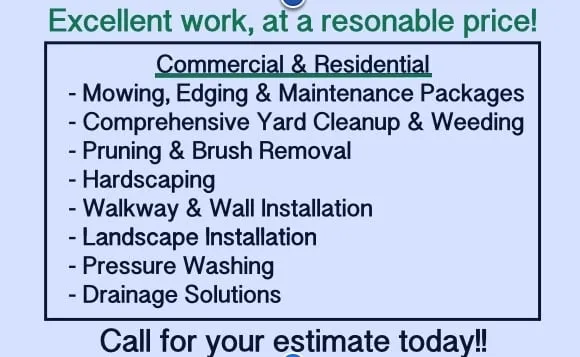
Yards Done Right is a trusted local landscaping company serving Olympia and the wider Puget Sound region since 2008. Founded by Olympia local Noah Saffer, the business grew from a simple recommendatio...
Dream Landscapes
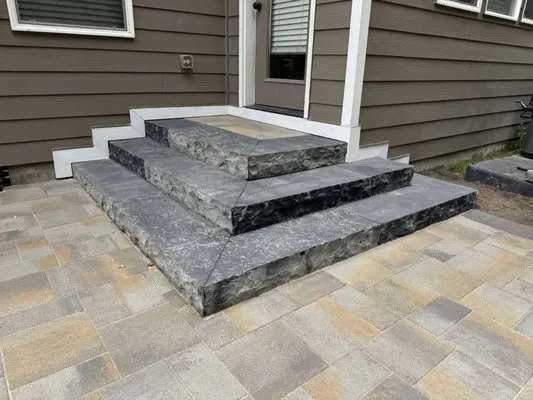
Dream Landscapes is a trusted, locally-owned landscaping and construction company serving Olympia and the surrounding communities of Mason, Thurston, and Lewis County. With a combined 30 years of hand...
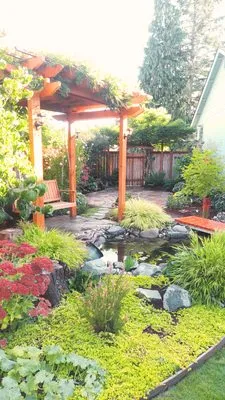
Solvida Irrigation & Landscapes is a full-service outdoor solutions company serving Olympia, WA, and the surrounding areas. We specialize in creating and maintaining beautiful, functional landscapes t...
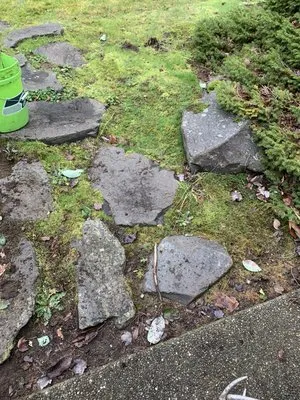
Morgan's Lawn Service is your trusted Tumwater, WA neighbor for comprehensive lawn, gutter, and tree care. We understand that local homes often face challenges like sprinkler leaks and persistent weed...
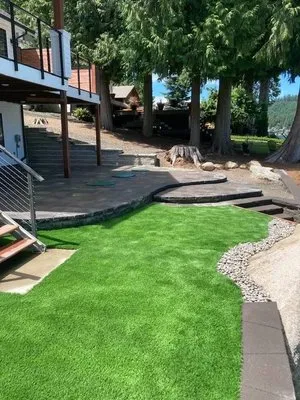
CPC Landscape is a family-owned and operated landscaping company serving Olympia and surrounding communities since 2007. We specialize in creating and maintaining beautiful, functional outdoor spaces ...
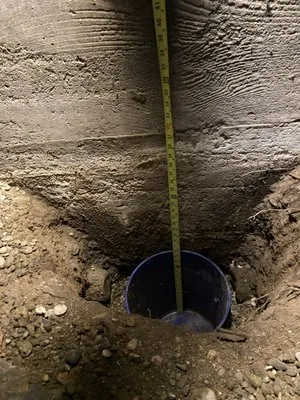
Warr Construction is a locally owned and operated contractor serving Olympia, WA, and the surrounding communities. We are a licensed, bonded, and insured team dedicated to providing honest, hard work ...
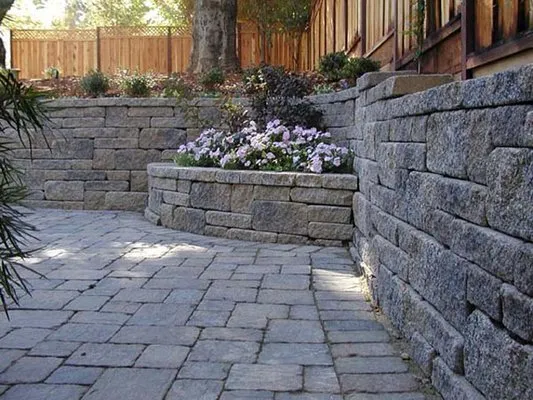
At Sprinkler Solutions in Olympia, we believe your outdoor space is an extension of your home or business. Our licensed and insured team works directly with you to understand your vision and practical...
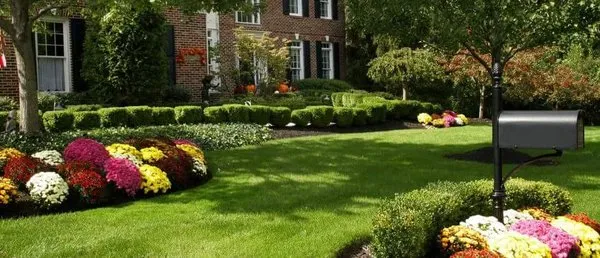
Total Lawn Care is your trusted local partner for comprehensive outdoor solutions in Olympia, WA. We understand the unique challenges of the Olympia climate, such as persistent lawn moss and strugglin...
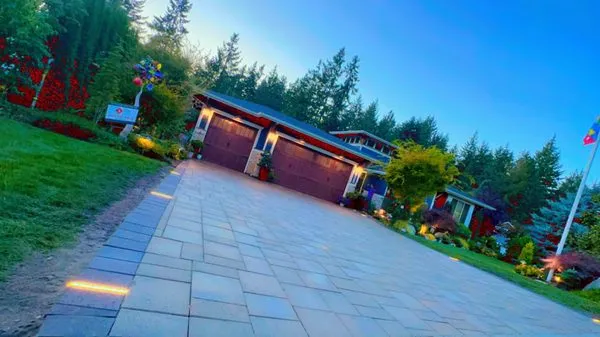
Diamond Touch Landscape & Construction
Diamond Touch Landscape & Construction is a full-service Olympia-based company specializing in transforming local properties with durable, low-maintenance solutions. We understand the common challenge...
Estimated Landscaping Service Costs in Yelm, WA
Common Questions
Our yard seems tired. Is it just the grass, or could something be wrong with the soil itself?
Given the average 1989 construction date in Prairie Park, the Alderwood soil profile is approximately 37 years mature. This gravelly sandy loam naturally compacts over decades, reducing air and water movement to roots. The acidic pH (5.5-6.0) further limits nutrient availability. Core aeration and incorporating composted organic matter are critical to rebuild soil structure and biological activity for long-term plant health.
How can I keep my lawn green during summer without violating the city's water conservation requests?
Yelm's Stage 1 voluntary conservation aligns with using Evapotranspiration (ET) smart controllers. These devices automatically adjust irrigation schedules based on local weather data, applying water only when the Tall Fescue/Kentucky Bluegrass blend needs it. This precision prevents overwatering, maintains turf health within municipal guidelines, and can reduce seasonal water use by 15-25% compared to traditional timers.
Why does part of my yard stay soggy for weeks in spring, even though the soil feels sandy?
Alderwood Gravelly Sandy Loam has high permeability, but a dense subsoil layer can create a seasonal perched water table. This traps moisture in the root zone after heavy rains. Solutions include installing French drains to intercept this water or using permeable hardscapes like crushed basalt and permeable concrete pavers for patios. These materials meet Yelm Planning and Building Department standards by managing runoff on-site.
A storm just knocked a large branch onto our driveway. How quickly can a crew arrive for emergency cleanup?
For urgent situations like storm debris blocking access, we dispatch from our central staging near Yelm City Park. The primary route is via WA-507 into Prairie Park, with a standard peak response window of 20-30 minutes. Crews carry electric chippers and hauling equipment to clear hazards and restore safety without requiring a return trip for specialized machinery.
I'm tired of weekly mowing and noisy gas equipment. What's a quieter, lower-maintenance alternative?
Transitioning to a landscape anchored by native plants like Salal, Sword Fern, and Red Flowering Currant drastically reduces maintenance. These species are adapted to local Zone 8b conditions, requiring no weekly mowing, minimal water once established, and no gas-powered blowers for cleanup. This approach future-proofs your property against evolving noise ordinances and supports regional biodiversity standards.
We want to build a new patio. Is wood or crushed basalt better for our area's climate and fire risk?
In Yelm's Moderate Wildland Urban Interface (WUI) zone, non-combustible materials like crushed basalt or permeable concrete pavers are superior for defensible space. They provide long-term durability against our wet winters and dry summers without rotting, warping, or presenting a fire hazard. These inorganic materials also integrate seamlessly with the native soil's drainage profile, unlike wood which requires elevated framing that can trap moisture.
We're planning to regrade our backyard for better drainage. Do we need a permit or a special contractor?
Yes. Significant grading on a 0.22-acre lot typically requires a review by the Yelm Planning and Building Department to ensure compliance with drainage and erosion control codes. The work must be performed by a contractor licensed by the Washington State Department of Labor & Industries. This licensing is mandatory for excavation projects and guarantees the work meets state safety and competency standards, protecting your property investment.
I see patches of shiny, three-leaf vines spreading in my flower beds. What is it, and how do I stop it?
That description strongly indicates English Ivy, a pervasive invasive species in our region. Manual removal is most effective for small patches; ensure all root fragments are extracted. For larger infestations, a targeted, phosphorus-free herbicide application may be necessary. Always apply according to label directions and be mindful of local fertilizer ordinance blackout dates to protect watershed health.
