Top Landscaping Services in Winlock, WA, 98596 | Compare & Call
There are 74 landscaping companies server in Winlock WA
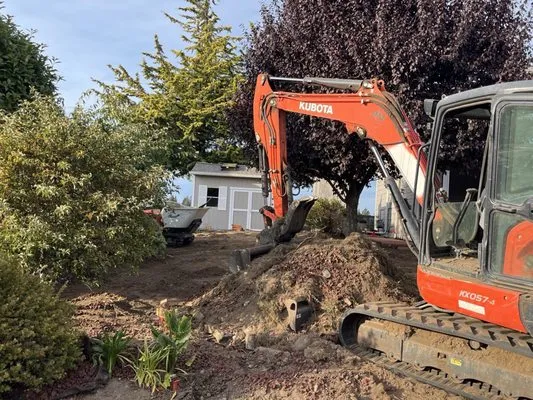
AJB Landscaping & Fence is a trusted Olympia, WA company specializing in fencing, landscaping, and artificial turf solutions. We help local homeowners and businesses address common area challenges lik...
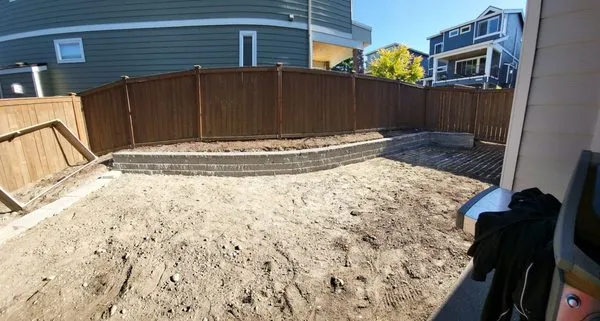
Cmi Home Services is a full-service contractor based in Olympia, WA, specializing in insulation, landscaping, and masonry/concrete. We help local homeowners address common regional challenges like shi...
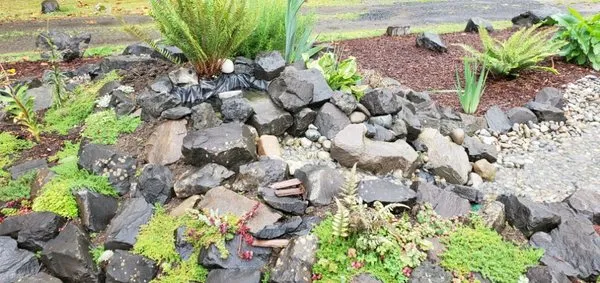
Coluccio's Landscape And Design brings over two decades of expertise to Tumwater, WA, with a deep-rooted passion for creating sustainable and enduring landscapes. Founded on a 23-year career and a uni...
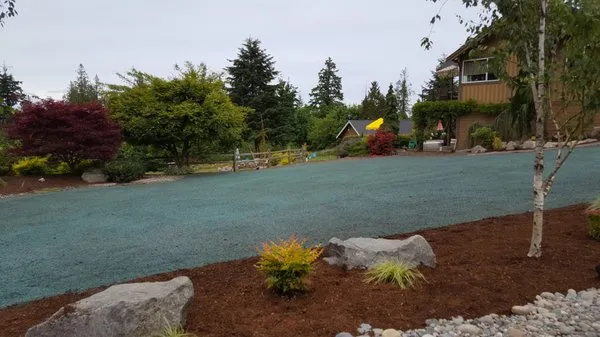
Olympia Hydroseeding is a locally owned and operated hydroseeding service based in Olympia, WA, serving the Olympia and Tacoma regions since 2009. Founded with a single 500-gallon hydroseeder in the B...
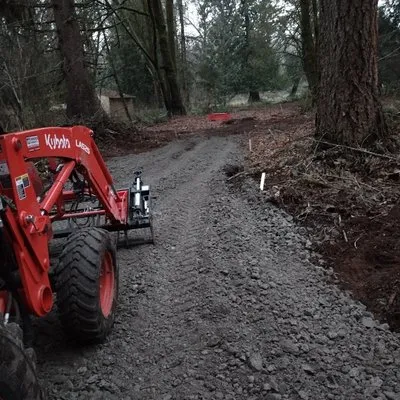
Affordable Tractorwork provides comprehensive landscaping and earthmoving solutions for Olympia homeowners. With a focus on efficiency and quality, we specialize in earthmoving and regrading to addres...
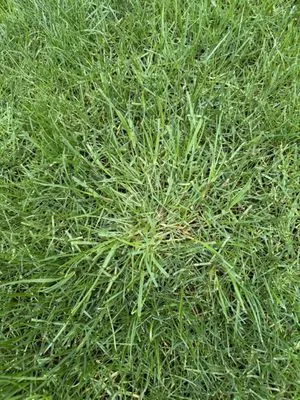
For over 45 years, SpringGreen has been Tumwater's trusted partner for a healthy, beautiful outdoor space. We combine our deep experience in lawn care, pest control, and tree services with a genuine u...
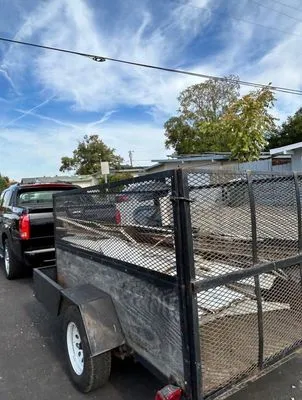
Nico No Limits is a trusted local service provider in Olympia, WA, specializing in comprehensive solutions for landscaping, demolition, and junk removal. Founded by Nico, the business operates on the ...
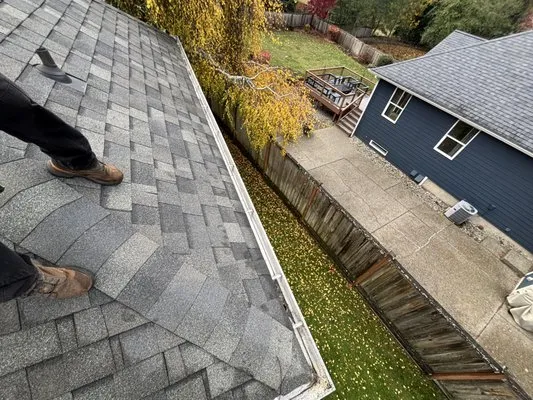
Allende's Landscaping Services in Centralia, WA, is your trusted local expert for comprehensive lawn, tree, and roofing solutions. We understand the unique challenges Centralia homeowners face, such a...
Beni Landscaping is a dedicated professional landscaping company serving Olympia, Tenino, Centralia, DuPont, Yelm, Chehalis, and surrounding communities. We specialize in comprehensive landscape desig...
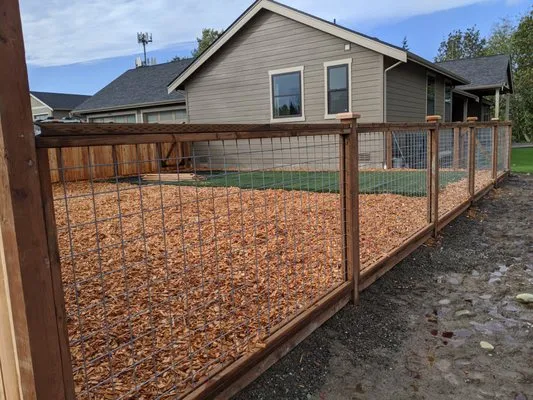
P&S Fencing and Landscaping is your trusted local partner for improving your Centralia, WA property. We believe the best projects start with a conversation, which is why we personally visit every site...
Estimated Landscaping Service Costs in Winlock, WA
Question Answers
Which hardscape materials perform best in Winlock's climate and fire risk areas?
Basalt crushed rock and permeable concrete offer superior longevity compared to wood in our moderate fire risk WUI Zone 2. These non-combustible materials maintain structural integrity through freeze-thaw cycles while creating defensible space required by fire-wise ratings. Their mineral composition resists weathering better than organic materials, providing permanent pathways that won't decompose or contribute to wildfire fuel loads around structures.
Why does my Winlock yard have such compacted soil that struggles to drain properly?
Winlock City Center properties built around 1969 have 57-year-old soil profiles where decades of foot traffic and minimal organic input have degraded the native silt loam structure. This soil type naturally develops poor permeability when compacted, creating the seasonal saturation issues common in our neighborhood. Core aeration with compost amendments is essential to restore pore space and improve water infiltration to the clay subsoils beneath.
How should I manage invasive species without using restricted fertilizers?
Washington's statewide phosphorus ban on turf requires targeted mechanical removal of invasive species followed by soil testing to determine specific amendment needs. For common Winlock invaders like Scotch broom or Himalayan blackberry, cut-stump treatment with approved herbicides during dormancy prevents regrowth without violating fertilizer blackout dates. Always follow up with native plant establishment to outcompete remaining invasive seedlings through ecological succession.
What permits and licenses are required for significant landscaping work on my property?
Grading or earthwork on a 0.25-acre Winlock lot requires permits from Lewis County Community Development and contractors licensed through Washington State Department of Labor & Industries. The licensing ensures professionals understand soil stability requirements and drainage regulations specific to our area. Unpermitted grading can violate county runoff standards and create liability issues, particularly given Winlock's high saturation risks and clay subsoil conditions.
How can I maintain healthy turf while following Winlock's water conservation guidelines?
Wi-Fi ET-based weather sensing irrigation systems automatically adjust watering schedules using real-time evapotranspiration data from local weather stations. This technology reduces water use by 20-30% while preserving perennial ryegrass and fine fescue turf quality during Stage 1 voluntary conservation periods. The system prevents overwatering by accounting for rainfall, humidity, and temperature variations specific to USDA Zone 8b conditions.
What solutions work best for Winlock's chronic drainage problems in residential yards?
High seasonal saturation in silt loam soils requires subsurface drainage systems combined with surface permeability enhancements. Basalt crushed rock and permeable concrete installations create infiltration basins that meet Lewis County Community Development runoff standards. These materials allow water to percolate through the surface rather than pooling, addressing the poor infiltration characteristics of our local clay subsoils.
How quickly can you respond to an emergency tree cleanup after a storm in Winlock?
Our electric maintenance fleet can dispatch from Winlock Miller Elementary School within 30 minutes during peak storm conditions. We route via I-5 to access Winlock City Center properties while complying with the 7:00 AM to 10:00 PM noise ordinance. This allows same-day HOA compliance for fallen branches or hazardous debris removal without disturbing the neighborhood with gas-powered equipment.
What landscaping approach reduces maintenance while supporting local ecology?
Transitioning high-maintenance turf areas to native plantings like Douglas-fir, Western Red Cedar, Salal, Oregon Grape, and Pacific Bleeding Heart creates self-sustaining landscapes. These species require minimal watering once established and eliminate weekly mowing needs from April through September. This approach aligns with evolving noise ordinances by reducing reliance on gas-powered equipment while providing superior habitat value compared to traditional lawns.
